The Role of Voice Search in the Future of Retail
10 February 2026
Imagine this: you're rushing out the door, hands full, and suddenly remember you're out of laundry detergent. You yell, “Hey Alexa, order my usual detergent!” Done. No clicking, no searching, no logging in. That’s the magic of voice search—and it's flipping the script on how we shop.
Voice search is no longer just a novelty; it’s becoming the new norm. It’s fast, hands-free, and tailored to our fast-paced, multitasking lifestyles. And guess what? The retail world is catching on. If you’re running a business or planning to dive into retail, it’s time to pay attention—because voice search isn’t just a trend. It’s the future.
In this article, we're diving deep into the role of voice search in the future of retail. From changing consumer behaviors to how brands must adapt, we’ll cover it all—with a coffee-chat vibe (no boring lectures, promise).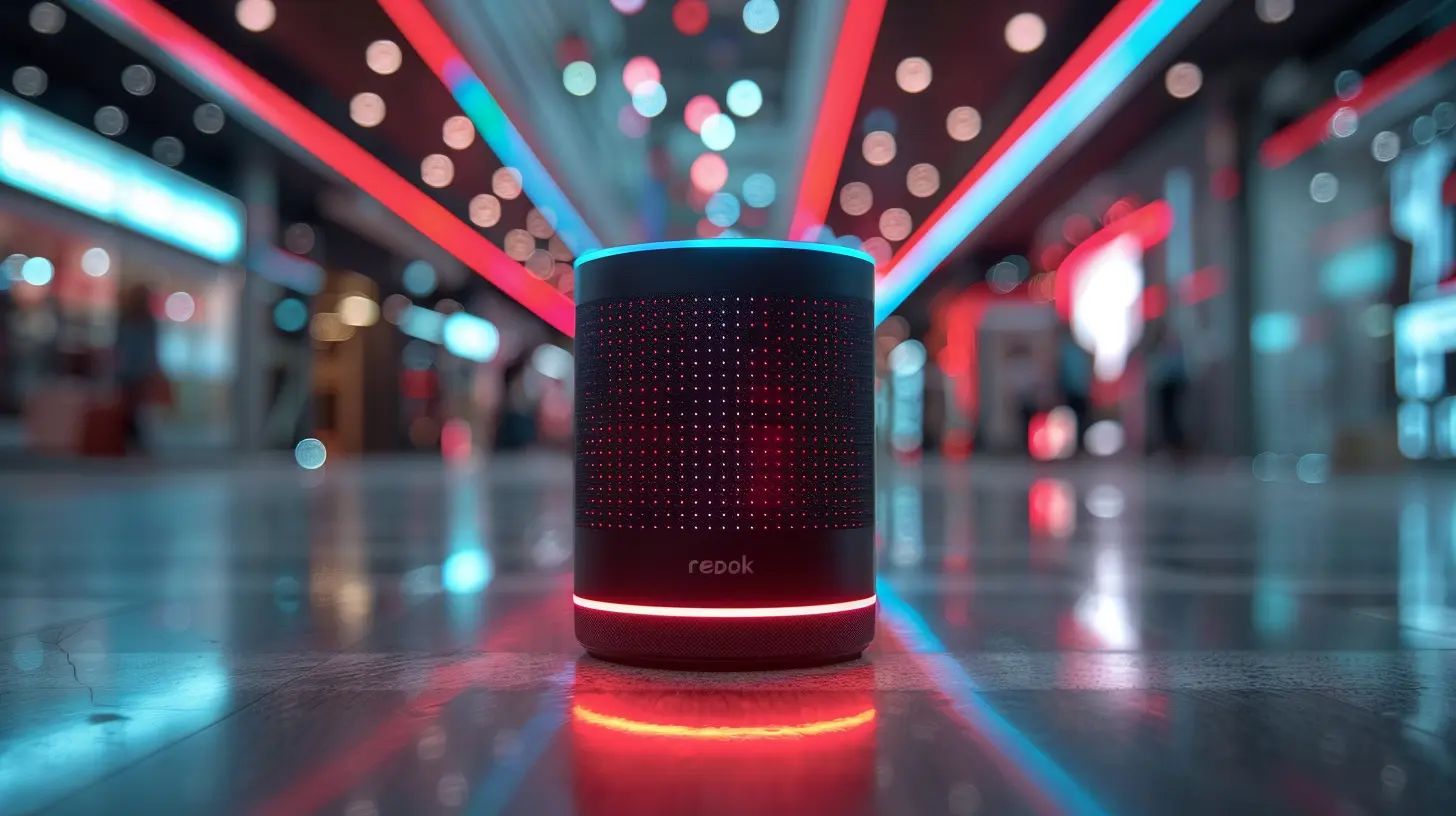
🚀 Why Voice Search Is Gaining Serious Ground
Let’s kick things off with some perspective.Over the last few years, smart speakers like Amazon Echo, Google Nest, and Apple's HomePod have found a permanent place in our homes. Combine that with mobile assistants like Siri and Google Assistant, and you’ve got a world where speaking to our devices is as natural as texting a friend.
But why the sudden boom in voice search?
1. Speed & Convenience
We're all impatient these days, right? Voice search lets users bypass typing, clicking, and reading. It's perfect when you're driving, cooking, or just don’t feel like navigating a screen.2. Natural Language Processing (NLP) Got Smarter
Voice search today isn’t just about keywords. It's about understanding intent. You can say, “Where can I buy red running shoes near me?” and get a relevant, local result—not just a list of random websites.3. The Shift to Mobile & Smart Home Devices
More than half of all internet traffic comes from mobile. Add in the rise of smart homes, and it's clear—voice-activated tech isn't going anywhere. Retailers need to meet users where they are: in their homes, in their cars, and on-the-go.
🛍️ How Voice Search Is Revolutionizing Retail
So, what does this mean for the retail world? Quite a lot, actually.Voice search is affecting every stage of the consumer journey—from research to purchase. Let’s break it down.
1. Product Discovery Gets an Upgrade
Remember the days of typing long phrases like "best waterproof hiking boots for men"? Not anymore.Shoppers now ask questions conversationally:
“What's the best waterproof hiking boot for rainy weather?”
Retailers need to optimize for these long-tail, natural-sounding queries. If your product descriptions and content aren’t ready for voice, you might be invisible to a big chunk of your audience.
2. Local Search = Huge Opportunity
A large percentage of voice searches are local:“Where can I buy coffee beans near me?” or “Is there a shoe store open now?”
For brick-and-mortar retailers, this is gold. Optimizing your Google Business Profile, keeping your hours updated, and ensuring your local SEO is tight can put your store at the top of voice search results.
3. Voice-Driven Purchases
Yes, people are buying through voice. It’s especially common for repeat purchases—think groceries, toiletries, pet food.Retailers who integrate with platforms like Amazon Alexa or Google Assistant can capitalize on this ease and convenience. If you're in eCommerce and not thinking about voice ordering... you're leaving money on the table.
🧠 Voice Search Isn’t Just Changing How People Search—It's Changing What They Expect
Here comes the kicker—voice search is reshaping consumer expectations.Customers interacting through voice expect quick, relevant answers—no filler, no fluff. That means your content needs to be sharp, clear, and direct.
Also, they typically only get one result. So the competition is fierce. You’re not just aiming to be on page one anymore—you’re aiming to be the top voice result. Big difference, right?
So, the question becomes: How do you get there?
📈 SEO Optimization in a Voice-First World
Traditional SEO isn’t dead, but it’s evolving. Voice search is turning the rules on their head.Here’s how to keep your content voice-search-friendly:
1. Answer Questions—Directly and Clearly
Voice search is heavily Q&A based. Think FAQs, but smarter.Create sections on your site that clearly answer who, what, when, where, why, and how questions. Use conversational phrases. Write like you talk.
Example:
Instead of “Affordable gym shoes,” use “What are the most comfortable gym shoes under $100?”
Search engines love direct answers.
2. Optimize for Featured Snippets
That little box you see at the top of a Google search? That’s the golden spot—and often what voice assistants read aloud.Use bullet points, numbered lists, and concise paragraphs to help your content get chosen. Structure matters.
3. Focus on Long-Tail Keywords
People speak differently than they type. They use longer, more natural phrases.Don’t just target “sneakers.” Go for “best sneakers for standing all day on hard floors.” That’s how people actually talk.
4. Make Local SEO a Priority
As we mentioned, voice search and local intent go hand-in-hand.Ensure your NAP (Name, Address, Phone Number) info is consistent across every platform. Get reviews. Keep your map listings updated. Voice assistants pull from this data every time someone asks for a “store near me.”
🏪 Big Brands Already Embracing Voice Search
You don’t have to look far for examples of voice search in action.- Domino’s lets you order a pizza hands-free.
- Walmart has voice ordering for groceries via Google Assistant.
- Target partnered with Google for voice-powered shopping.
- Sephora offers beauty tips and reordering through Amazon Alexa.
These brands aren’t just experimenting—they’re ahead of the curve. They know today’s convenience is tomorrow’s bare minimum.
The good news? You don’t have to be a multi-billion-dollar brand to play the game. Tools and platforms are more accessible than ever for small-to-midsize retailers.
🧰 How Retailers Can Get Voice-Ready (Without Losing Their Minds)
Okay, so now you’re thinking, “Cool… but this sounds complicated.”Take a deep breath. You don’t need to overhaul everything overnight. Start small and build strategically.
Here’s a roadmap:
✅ Step 1: Know Your Audience’s Questions
Use tools like AnswerThePublic, Google Autosuggest, and forums like Reddit to find what your customers are asking. Then, answer those questions on your site.✅ Step 2: Clean Up Your Local Listings
Get your Google Business Profile in order. Make sure your hours, address, and categories are up-to-date and accurate.✅ Step 3: Make Your Website Fast & Mobile-Friendly
Voice searches often happen on mobile. If your site takes a million years to load or isn’t responsive, users (and Google) will bounce.✅ Step 4: Add Conversational Content
Update your product descriptions, blog posts, and landing pages with more natural, human language. Write like you're chatting with a friend.✅ Step 5: Consider Integrating with Voice Platforms
Depending on your product offering, consider integrations with Alexa Skills or Google Actions. These can allow users to interact with your brand directly via voice.🧙♂️ The Future: What’s Next for Voice Search in Retail?
So, where is all this headed?Voice search is expected to grow exponentially. As AI and voice recognition become more accurate and intuitive, even more consumers will adopt it daily.
We may see voice assistants that remember past interactions, offer real-time shopping advice, and even make personal recommendations based on your preferences.
Think of a world where shopping feels like talking to your best friend who knows your style, budget, and schedule. That’s the future.
But to be part of that future, retailers need to act now.
💡 Final Thoughts: Voice Search Is Here to Stay
Let’s be real—voice search isn’t a passing fad. It’s a fundamental shift in how people interact with technology, and retail is riding that wave hard.Whether you're a local coffee shop or a growing eCommerce brand, there’s opportunity here. Huge opportunity. The brands that embrace voice search early will have a serious leg up in the competition.
The best part? You don’t have to be a tech genius to get started. Just take it one step at a time—optimize your content, understand your audience, and speak their language (literally).
Voice search is the future of retail. And the future is now. Are you ready to talk?
all images in this post were generated using AI tools
Category:
RetailAuthor:

Amara Acevedo
Discussion
rate this article
2 comments
Patrick McKittrick
Great insights! The emergence of voice search is indeed transforming retail. Embracing this technology can enhance customer experience and streamline operations, ensuring businesses remain competitive in an evolving market. Thank you for sharing!
March 26, 2026 at 11:26 AM
Amara Acevedo
Thank you for your thoughtful comment! I'm glad you found the insights valuable. Voice search truly is reshaping the retail landscape.
Destiny McCray
Voice search is transforming retail, making it more accessible and efficient. Embrace this change to connect with customers in new ways!
February 11, 2026 at 3:59 AM
Amara Acevedo
Absolutely! Voice search is indeed reshaping retail dynamics, enabling seamless customer interactions and enhancing accessibility. Embracing this shift is crucial for staying competitive.