Calculating Market Value in Uncertain Times
1 December 2025
Let’s face it—figuring out what something is worth isn’t easy in normal times. But throw in a recession, inflation, political drama, or a global health crisis? Now you're walking a tightrope without a safety net. This is what makes calculating market value during uncertain times feel more like guessing than evaluating. But it doesn't have to be that way.
In this article, we’ll break down what market value really means, why it matters more than ever during turbulent times, and some smart, practical ways you can still get pretty accurate numbers—even when everything seems up in the air. Sound good? Let’s dive in.
What Is Market Value, Really?
Alright, let’s start simple.Market value is essentially what someone is willing to pay for something in an open and competitive market. It’s that sweet spot where a buyer’s need meets a seller’s price. Sounds simple, right?
But here's the kicker—market value isn't a fixed number. It shifts based on supply, demand, trends, consumer confidence, and (you guessed it) uncertainty.
If you've ever tried to sell a house, a business, or even just a used car during a chaotic time, you probably noticed the pricing dance. One day it's worth X, the next, Y. That’s the market reacting to its environment—and sometimes, panicking.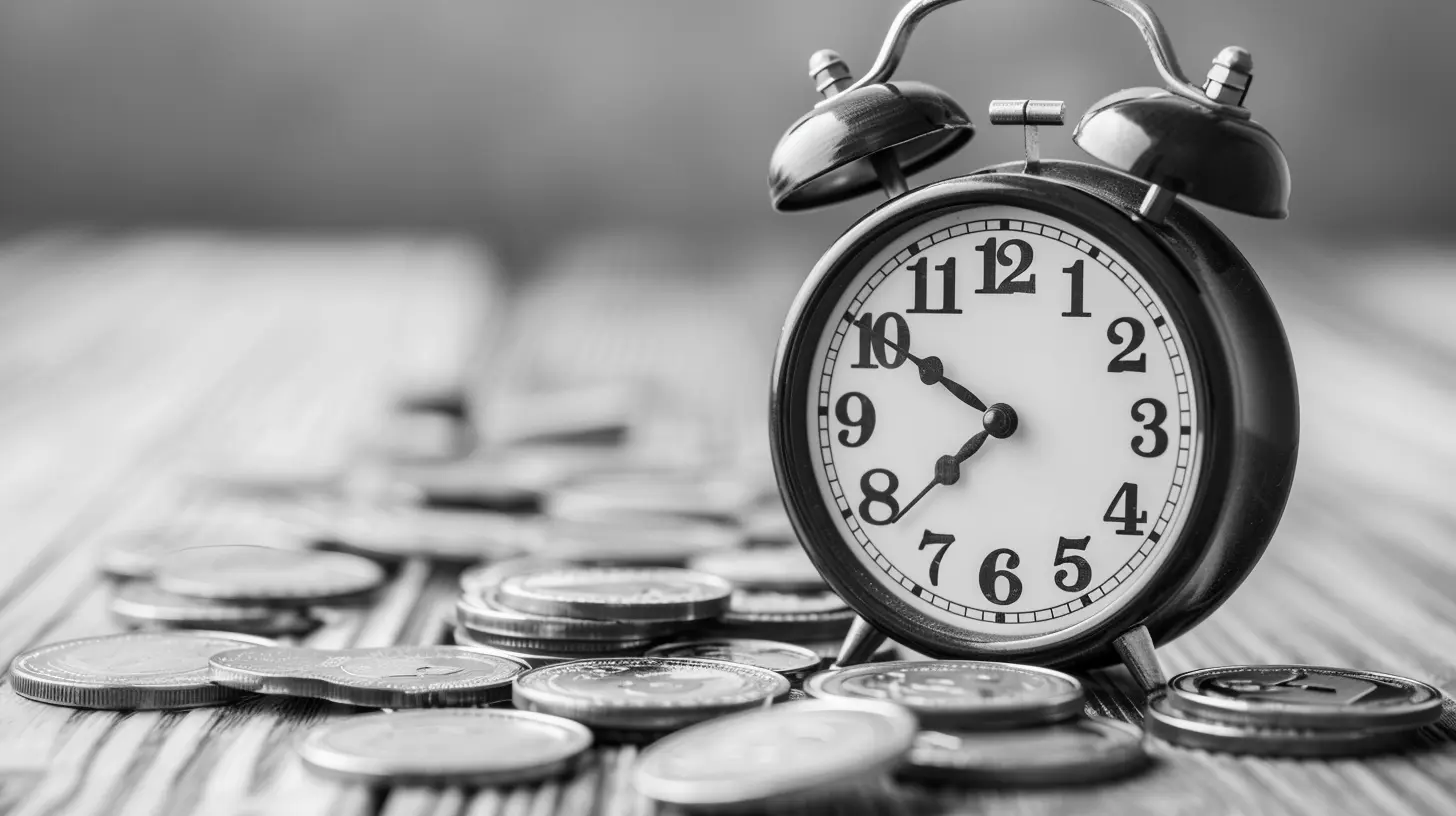
Why Is It So Tricky During Uncertain Times?
Well, think about what uncertainty does to people—it makes them hesitate. It makes them question their decisions and second-guess their instincts. And when buyers and sellers are hesitant, the whole idea of market value starts to blur.When the economy’s booming, people are more confident. They know their job is stable, their investments are growing, and so they’re willing to pay more.
But in shaky times? Risk increases. Confidence dips. Buyers pull back. Sellers panic. And suddenly, the value of your asset drops—not because the asset changed, but because emotions did.
Factors That Skew Market Value in Tough Times
Let’s break down some of the biggest curveballs economic uncertainty can throw at market value:1. Volatile Buyer Sentiment
People let emotions drive purchases more often than they admit. During a crisis, fear takes the wheel. Buyers think: “What if I lose my job?” or “What if prices drop more next month?” That hesitation reduces how much they’re willing to pay.2. Shifting Supply & Demand
Supply chain issues, labor shortages, or global conflicts can all mess with availability. For example, suddenly there’s a shortage of used cars—boom, their value spikes. But six months later, the market floods—crash.3. Inflation and Interest Rates
Higher inflation reduces purchasing power. So, even if people want to buy something, they might not be able to afford it. Similarly, rising interest rates make loans expensive, cooling off sectors like real estate.4. Disrupted Comparables (Comps)
Normally, we’d look at recent sales of similar products or properties to estimate value. But in uncertain times, comps may no longer reflect reality. They could be outdated, inflated, or artificially low—making it hard to benchmark accurately.
Approaches to Calculating Market Value When Things Get Weird
Now that we know why uncertainty twists the market, let’s talk strategy. Because yes, you can still come up with a realistic market value—it just takes a bit more effort, research, and creativity.1. Use a Layered Valuation Approach
Don’t rely on just one method—mix and match. Let’s say you’re valuing a business. Instead of just looking at recent sales (which may be down), also factor in:- EBITDA multiples
- Asset-based valuations
- Future earnings potential
- Market comps from before the downturn
Think of it like triangulation—you’re pinpointing value from different angles to get a more accurate read.
2. Adjust for Risk
In risky times, add a risk premium. It's like adding a buffer to account for unpredictability. Analysts do this all the time when pricing assets—especially stocks. They increase the discount rate to reflect uncertainty. If you’re valuing a business, adjust your expected returns to reflect current fears in the market.3. Lean Heavily on Trends and Forecasts
Even though they’re not perfect, industry reports, market trends, and forecasts can give you direction. What’s coming down the pipeline? Where is consumer behavior heading? Stay on top of current events and emerging patterns—they help you fill in the gaps left by missing or outdated data.4. Talk to Real People
You’d be surprised how much value you can get from simply talking to others in your industry. Brokers, lenders, investors, customers—they all offer intel grounded in what's actually happening on the ground.Look at it this way: while algorithms crunch numbers, people understand nuance. Use both.
5. Consider the “Post-Uncertainty” Outlook
Ask yourself, “Will this asset bounce back in value once things stabilize?” If so, its real worth may be far higher than current market conditions reflect. In this way, you’re not just valuing what something is worth today—but also its future market potential.Real-World Examples: Market Value in Action
Let’s make this practical with a few examples:🏠 Real Estate
During the early months of the 2020 pandemic, home prices dropped in some areas due to buyer fear and economic standstill. But in others, prices soared due to low interest rates and increased demand for suburbs.—Moral of the story? Regional data and context matter. Don’t apply a one-size-fits-all approach.
🏢 Small Businesses
A restaurant’s value during lockdown? Plummeted. But one with strong delivery infrastructure? Held steady or even grew. Business models adapted fast, and those who adjusted early retained their value.—Look beyond surface-level numbers and ask: Can this business pivot?
🚗 Automotive Market
Used car values skyrocketed in 2021–2022 due to chip shortages. People paid 20–30% more than usual, even for high-mileage vehicles.—In volatile times, scarcity can temporarily inflate value—just don’t mistake it for long-term worth.
Tools That Can Help
Thankfully, you don’t have to do all this alone. There are plenty of tools and platforms out there that can help make your valuation more grounded, even in chaos:- Zillow/Redfin (for real estate trends)
- BizBuySell (for business comps)
- Statista & IBISWorld (for industry trends)
- Bloomberg & Morningstar (for public market data)
- Google Trends (for consumer interest)
And of course—Excel. Don’t underestimate how powerful a simple spreadsheet can be when forecasting.
Keep Emotions in Check
This one’s big.In turbulent markets, it’s easy to get swept away by fear or hype. But here’s the truth: sound valuations require calm, logic, and a bit of patience. Emotions will cloud your judgment faster than a summer storm.
So whether you’re buying, selling, or simply assessing your net worth—step back. Take a breath. Run the numbers. Seek expert guidance if needed.
Long-Term vs. Short-Term Value
Here's a little secret: most people only focus on short-term market value—what something is worth today.But savvy investors, buyers, and planners also ask, “What will this be worth in 1, 5, or 10 years?”
In uncertain times, this perspective becomes even more valuable. While current value might be down, future value could be enormous. Think of it like hiking in fog—you still move forward, even if the view is cloudy.
Final Thoughts: Control What You Can
You can’t control the economy. You can’t stop inflation. You definitely can’t predict the market perfectly. But you can control how well-informed you are, how flexible your strategy is, and how you respond to changing conditions.So don’t guess—evaluate. Don’t panic—plan.
Calculating market value in uncertain times isn’t impossible. It’s just different. And if you approach it with the right mindset and tools, you might just find opportunities where others see risk.
all images in this post were generated using AI tools
Category:
Business ValuationAuthor:

Amara Acevedo
Discussion
rate this article
1 comments
Calyx Estes
Calculating market value in uncertain times is like guessing the weight of a hippo on a seesaw—both require a mix of balance, experience, and a pinch of good luck. Let's weigh the options wisely!
December 2, 2025 at 11:26 AM
Amara Acevedo
Great analogy! Balancing insights and intuition is indeed crucial in navigating market uncertainties. Let's stay strategic!