Tech and Life Balance: Managing Screen Time and Downtime
19 February 2026
In today’s world, we’re more connected than ever. Our screens—whether it’s a smartphone, laptop, tablet, or smartwatch—are our constant companions. They help us work, keep us entertained, and even remind us to drink water. But, let’s face it, they’ve also blurred the lines between our “on” time and our “off” time. Sound familiar? If you’ve ever lost track of hours scrolling through TikTok or answering emails at bedtime, you know exactly what I’m talking about.
Finding that sweet spot between your tech time and your downtime is not just about preserving your sanity—it's also about living a healthier, more balanced life. Let’s dig into why managing screen time is so crucial and how you can strike a better balance without going off the grid.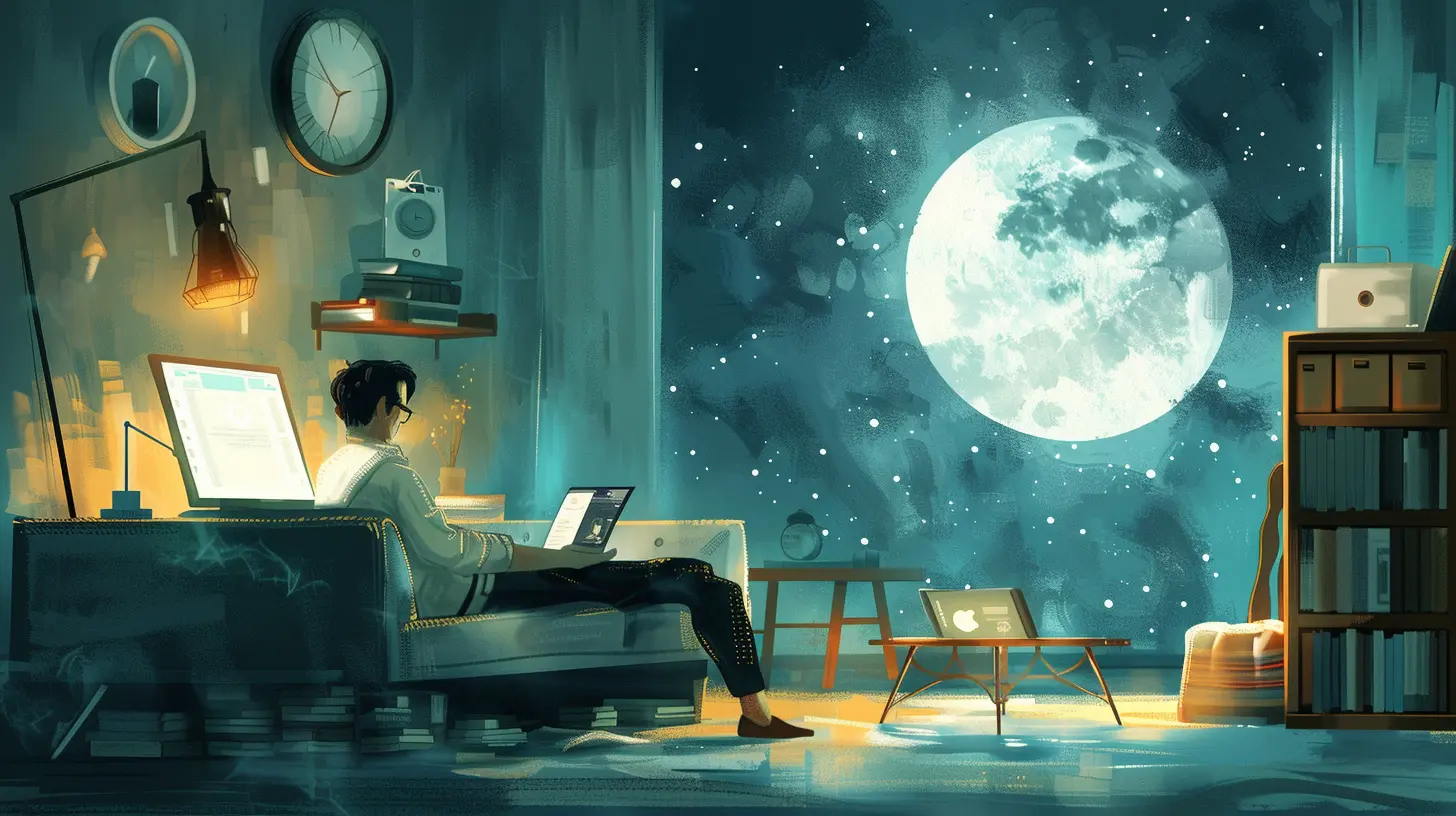
The Double-Edged Sword of Technology
Let’s start with the obvious: technology is amazing. Think about it—years ago, if you wanted to know how old Morgan Freeman was, you’d have to wait for someone who knew or trek to the library. Now? A quick search, and you’ve got the answer in seconds. But with great power comes great responsibility (cue Spider-Man reference).Here’s the catch: while tech makes life easier, it also pulls us into rabbit holes we didn’t plan to enter. Have you ever picked up your phone to check the weather, only to find yourself arguing with strangers on Twitter an hour later? Yep, me too. Technology, for all its benefits, can also be a sneaky time thief.
Why Too Much Screen Time Hurts (And Not Just Your Eyes)
We all know staring at screens all day isn’t good for us, but what exactly is it doing to our bodies and minds? Spoiler alert: it’s not great. Here are just a few ways excessive screen time can take its toll:1. Digital Eye Strain
Ever feel like your eyeballs are about to jump out of your skull after a long day in front of a computer? That’s digital eye strain. Symptoms like headaches, dry eyes, and blurry vision aren’t just inconvenient—they can make you downright miserable.2. Sleep Disruption
One of the biggest culprits here is blue light. Those Instagram reels you’re watching before bed? They’re tricking your brain into thinking it’s still daytime, which messes with your melatonin production. The result? Difficulty falling or staying asleep. And trust me, no amount of coffee can make up for terrible sleep.3. Mental Health Rollercoaster
Social media, in particular, can be a double-edged sword for your mental health. Yes, it’s fun to connect with friends and share memes, but endless comparisons, negative news, and online drama can leave you feeling drained and anxious. It's like eating a bag of chips—great at first, but not so much when you finish the whole thing and feel gross afterward.
Why Downtime is the Magic Elixir
Let’s switch gears (pun totally intended) and talk about downtime. Downtime isn’t just about binge-watching your favorite show or scrolling aimlessly. It’s about intentionally giving your brain and body a break. Here’s what happens when you prioritize it:- Your brain recharges. Think of your brain like your phone battery—it needs time to juice up! When you step away from screens, you let your mind wander, process thoughts, and get creative.
- You’re more present. Whether it’s spending quality time with family, chatting with friends, or just enjoying a walk outside, downtime allows you to truly connect with the world around you.
- You stress less. Relaxation helps reduce cortisol (that pesky stress hormone), so you’re less likely to snap at your Wi-Fi for being slow. 
Signs You Might Need a Tech Detox
Not sure if you’ve crossed the line into tech overload? Here are some red flags to watch out for:- You can’t go more than a few minutes without checking your phone.
- You feel anxious or “off” when you’re away from screens.
- You constantly multitask (e.g., watching TV while scrolling through your social feeds).
- You’re losing sleep because of late-night screen binges.
If any of these hit a little too close to home, stick around. We’re about to fix that.
6 Actionable Tips to Balance Screen Time and Downtime
Ready to break the cycle? Don’t worry—I’m not about to suggest you chuck your devices out the window or move to a cabin in the woods (unless that’s your thing, then more power to you). Here are some practical ways to find your tech-life balance:1. Set Screen Time Limits
Guess what? Most devices now have built-in tools to help you track and limit your screen time. Use them. Treat your phone like your boss—you wouldn’t dare ignore its reminders.2. Create Tech-Free Zones
Establish areas in your home that are completely screen-free. The dining table and bedroom are great starting points. Trust me, eating a bowl of cereal without TikTok somehow tastes better.3. Schedule Downtime
Put downtime on your calendar like you would any other appointment. Whether it’s yoga, journaling, or just staring at the ceiling (no judgment), make time for low-tech or no-tech activities.4. Adopt the 20-20-20 Rule
For every 20 minutes of screen use, look at something 20 feet away for 20 seconds. It’s like a mini-reset for your eyes. Bonus points if that something is a plant or a pet—they’re way more fun to look at than a blank wall.5. Set Boundaries on Notifications
Your phone doesn’t need to buzz every time someone likes your cat meme. Turn off non-essential notifications. Better yet, put your phone on “Do Not Disturb” mode during certain hours.6. Reconnect with Offline Hobbies
Remember hobbies? Those things you used to love doing before you got sucked into Netflix binges? Dust off your guitar, grab a sketchpad, or hit up your local library. Doing something with your hands—other than scrolling—is incredibly grounding.The Tech-Life Balance Myth: It's Not One-Size-Fits-All
Here’s the thing: balance looks different for everyone. If your job requires you to be glued to a screen all day, your solution might not look the same as someone who can unplug for hours at a time. And that’s okay! The key is to figure out what works for you and stick with it.Maybe for you, it’s about taking micro-breaks throughout the day. Or perhaps it’s setting a “digital sunset” where all devices go off at 8 p.m. Whatever it is, listen to your body and adjust as needed.
The Bottom Line: Permission to Be Human
At the end of the day, we’re all just trying to navigate this tech-filled world without losing our marbles. And guess what? It’s okay to mess up from time to time. You’re human, not a robot. (If you were a robot, you’d probably laugh at how much we rely on you.)Finding a healthy tech-life balance isn’t about perfection—it’s about progress. So, start small. Adjust here and there. Before you know it, you’ll be living a life that’s not glued to a screen but is full of moments that matter.
all images in this post were generated using AI tools
Category:
Work Life BalanceAuthor:

Amara Acevedo
Discussion
rate this article
2 comments
Zephyrion Clarke
Balancing tech and life is like trying to keep your coffee warm while juggling—impossible and a little messy! Just remember, if your screen time is increasing, make sure your downtime includes actual down-time, like staring blankly at a wall or pretending to fold laundry. Both are equally refreshing!
April 12, 2026 at 5:03 AM
Amara Acevedo
I love that analogy! Finding that balance is tricky, but those little moments of downtime really do recharge us. Thanks for sharing!
Whitney McCord
Less screen, more life—let's not confuse the two!
February 20, 2026 at 5:35 AM
Amara Acevedo
Absolutely! Striking a balance is essential for a fulfilling life.