Scaling Your Business with AI-Driven Automation
29 June 2026
Let’s be real for a second — running a business is tough. Scaling one? Even tougher. But if you’re not tapping into the power of AI-driven automation, you’re probably leaving money, time, and growth on the table. We’re living in a world that's moving faster than ever, and if you’re still doing things manually, you’ll be left in the dust. Harsh? Maybe. True? 100%.
In this article, I’m going to walk you through how to scale your business using AI-driven automation, why it matters, and how you can get it done without needing a PhD in computer science. Whether you're a startup founder, business owner, or manager tired of wasting resources — this one's for you.
What Is AI-Driven Automation, Really?
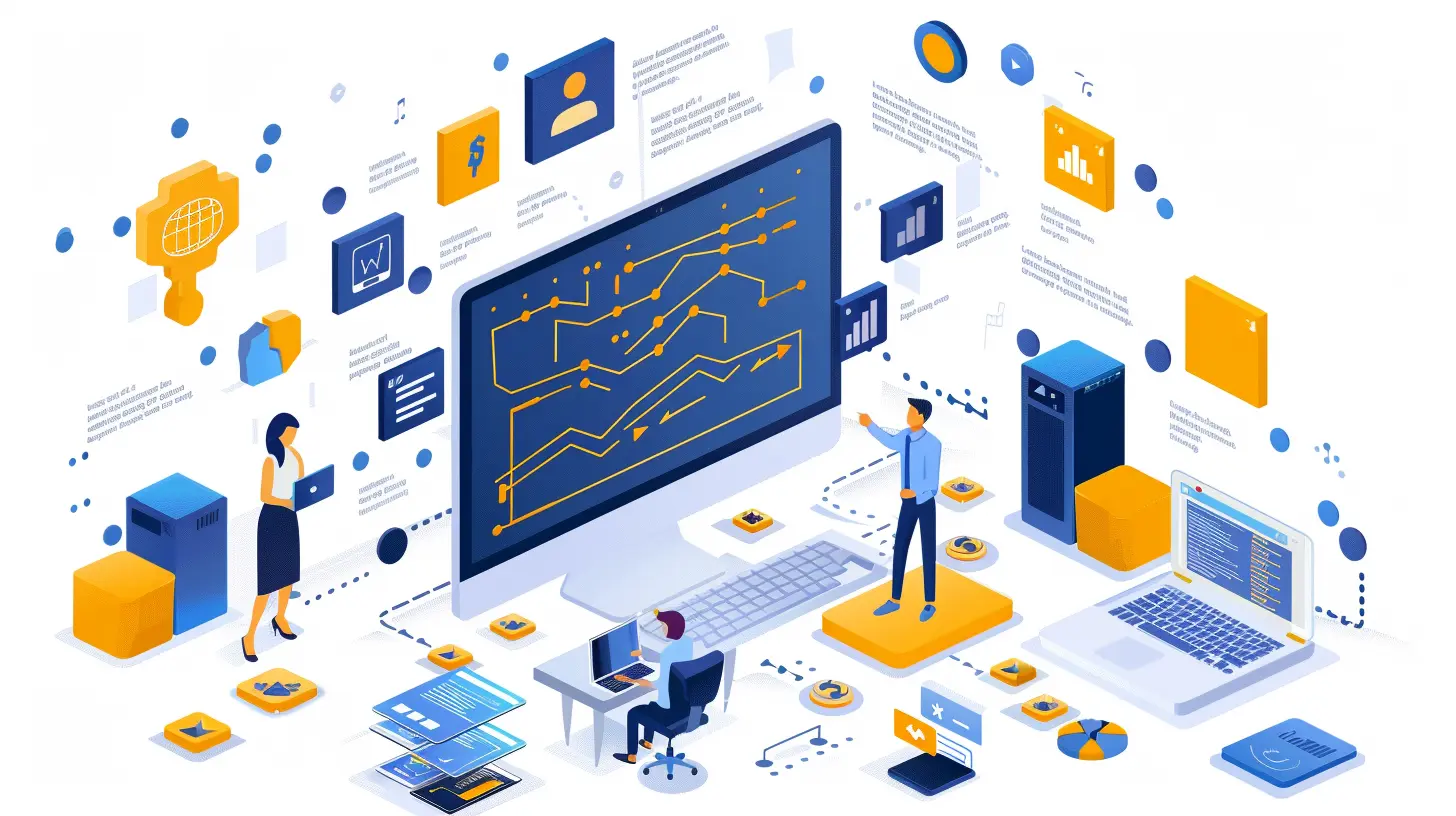
Okay, let’s get the tech jargon out of the way — AI-driven automation is when machines (yep, intelligent ones) handle repetitive tasks, analyze data, make decisions, and even improve on their own over time. AI stands for "Artificial Intelligence" and it’s basically the brain, while automation is the muscle. Combine them, and you've got a powerful growth engine.Imagine having a tireless assistant that works 24/7, doesn’t make mistakes, never asks for a raise, and actually gets better over time. That’s AI-driven automation in a nutshell.

Why Should You Even Care?
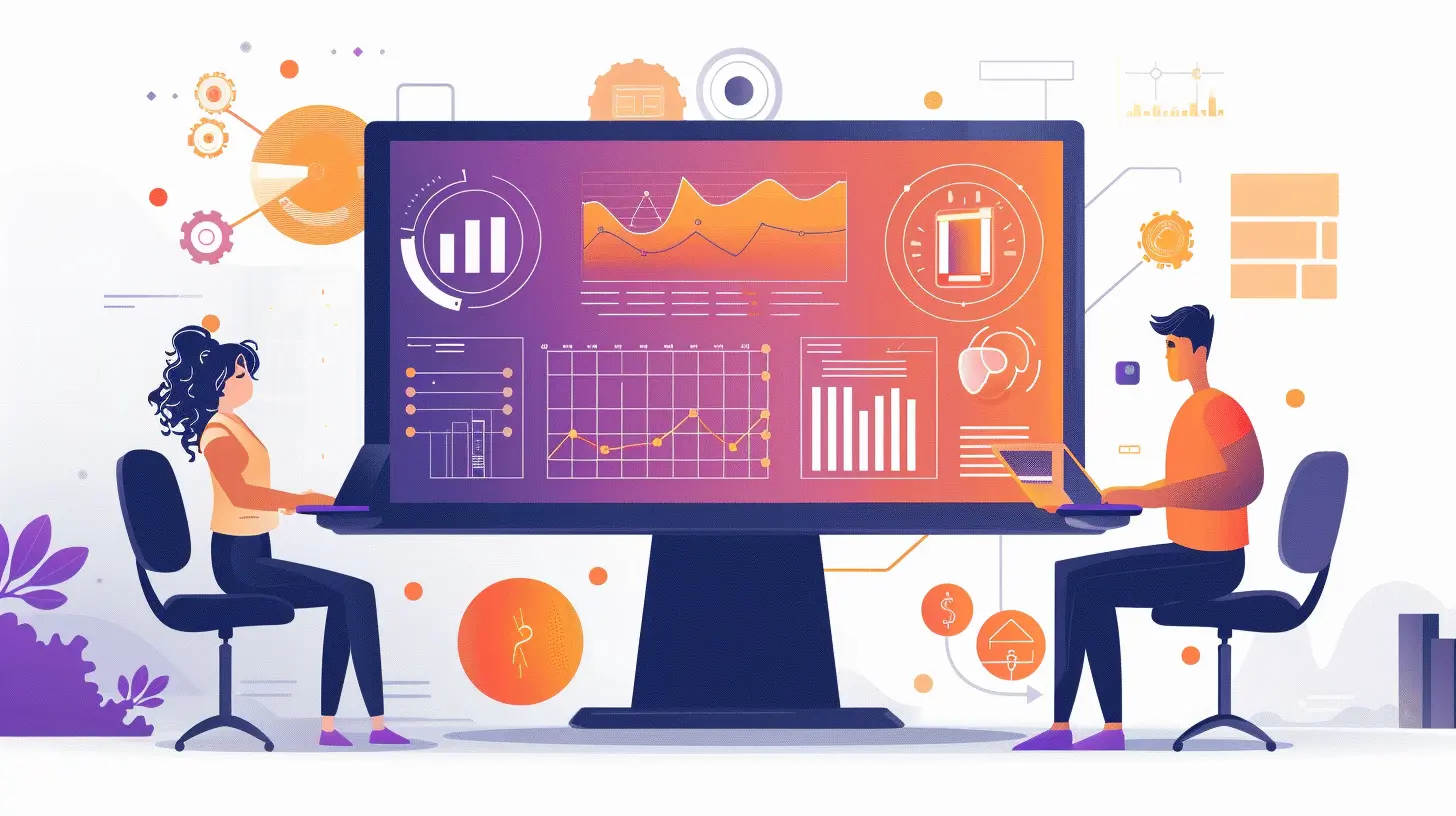
Simple. Because time is money, and both are running out.Here’s what AI can do for your business:
- Slash your operation costs
- Free up your team to focus on high-value work
- Improve accuracy and reduce human errors
- Analyze MASSIVE datasets in seconds
- Personalize your customer experience
- Shorten sales cycles
Still not convinced? Let’s break it down.
The Real Impact of AI on Scaling
1. 24/7 Productivity
AI doesn’t sleep. Humans do. That’s your first win. Imagine automating customer support, sales funnels, inventory tracking, or email follow-ups. When your business can run even while you’re on vacation or asleep, you’re not just growing — you’re scaling. Big difference.2. Smarter Decision-Making
Data is the new gold, sure. But if you’ve ever tried digging through spreadsheets, you know it feels more like drowning in a sea of numbers. AI can find patterns, trends, and insights in your data that you wouldn’t even think of looking for. That means you can make smarter, data-backed decisions — not just gut feelings.3. Personalized Customer Experiences
Let’s talk customers. Everyone wants to feel like your business is giving them VIP treatment. AI helps you do that — automatically. From tailored emails and product suggestions to chatbots that actually understand user intent, AI lets you speak directly to each customer. And happy customers are loyal customers.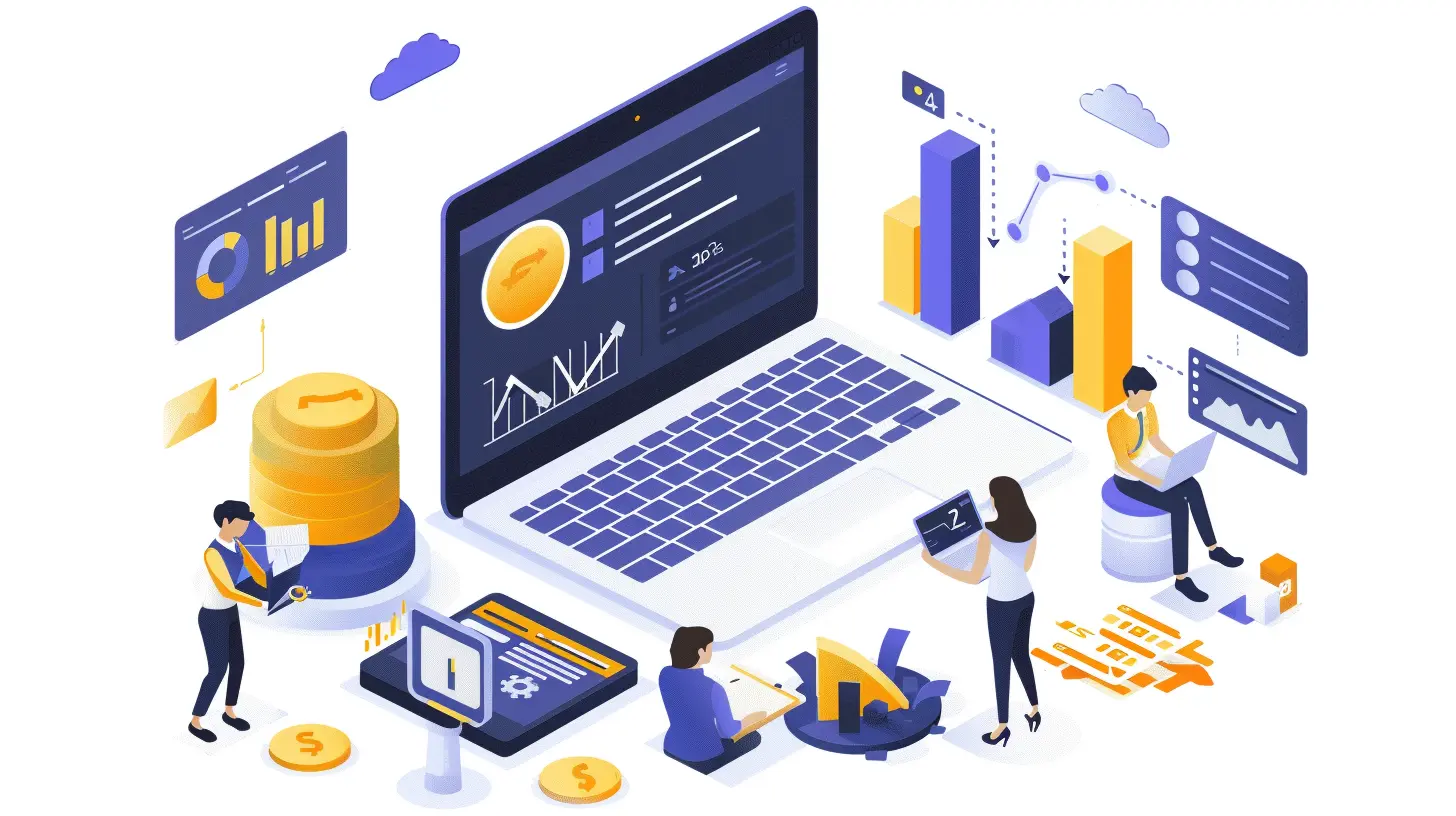
Where Can You Use AI Automation To Scale?
Short answer: almost everywhere.But here are the sweet spots where AI-driven automation really shines:
1. Sales and Marketing
This one’s a no-brainer. AI tools can segment your audience, trigger personalized email campaigns, and even predict which leads are most likely to convert. Ever heard of sales bots that schedule meetings and send follow-ups? Yeah, that’s AI flexing hard.Tools To Check Out:
- HubSpot with AI integrations- Salesforce Einstein
- Drift (for conversational marketing)
2. Customer Service
Goodbye endless support tickets. Hello smart chatbots and AI help desks. These bots can handle FAQs, solve basic issues, escalate only when needed, and provide 24/7 support. Faster response times = happier customers.Popular Tools:
- Intercom- Zendesk AI
- Tidio
3. HR and Recruitment
Hiring top talent takes time and energy. But with AI, you can automate resume screening, candidate matching, and even first-level interviews. That means you get to the best candidates faster — without wearing out your HR team.Tools To Consider:
- HireVue- Pymetrics
- Eightfold
4. Inventory and Supply Chain
Running an eCommerce biz or managing a warehouse? AI can forecast demand, manage stock levels, and optimize delivery routes. Less overstock, fewer stockouts, more efficiency.AI Giants in Supply Chain:
- Llamasoft (now part of Coupa)- ClearMetal
- SymphonyAI
5. Financial Reporting and Invoicing
Forget long hours with spreadsheets and calculators. AI tools can handle bookkeeping, categorize expenses, catch anomalies, and even predict cash flow. Your accountant might get jealous.Try These:
- QuickBooks with AI features- Xero
- Zoho Books
How to Start Implementing AI Automation — Without Losing Your Mind
So, you’re sold on the benefits, but where the heck do you start?Step 1: Identify Low-Hanging Fruit
Start small. Look for tasks that are repetitive, time-consuming, and prone to human error. Things like:- Email responses
- Customer inquiries
- Invoicing
- Data entry
These are automation goldmines.
Step 2: Set Clear Objectives
What do you want the AI to do? Save time? Improve accuracy? Reduce cost? Be specific. You can't hit a target you can’t see.Step 3: Choose the Right Tools
Don't just jump on the flashiest tool out there. Choose AI platforms that integrate with your current systems and actually solve real problems in your business.Step 4: Train Your Team
AI won’t do squat if your team doesn’t know how to use it. Host workshops, bring in experts, or heck, even YouTube tutorials can help. Make sure your team sees AI as a superpower, not a threat.Step 5: Monitor & Iterate
Automation isn’t a “set it and forget it” deal. You’ll need to constantly tweak, monitor, and improve. But once you get the hang of it, it becomes second nature.
The Myths People Believe (And Why They're Dead Wrong)
Let’s debunk a few tall tales circulating the AI world.“AI will take all our jobs.”
Wrong. AI doesn’t replace people — it replaces tasks. It frees humans to do more strategic, creative work. Think of it like giving your team Iron Man suits. They’re still in control, but now they can do more, better, and faster.“AI is only for big companies.”
Nope. Many AI tools today are plug-and-play and super budget-friendly. Even solopreneurs are using smart automation to run lean, mean businesses from their laptops.“It’s too complex to implement.”
Sure, building your own AI is rocket-science. But using AI tools? Most don’t require more than a few clicks and a couple of hours to set up. If you can run a Shopify store or use Google Analytics, you can use AI.Real-Life Success Stories (These Will Blow Your Mind)
Sephora’s Chatbot That Skyrocketed Engagement
Sephora launched an AI chatbot that gives makeup recommendations based on selfies and preferences. Not only did it increase engagement, but it also boosted conversion rates by double digits.Starbucks’ Predictive Ordering
Using AI, Starbucks predicts what customers will order based on time, location, weather, and past habits. This has streamlined operations and made personalization a breeze — resulting in millions in extra revenue.Small Ecom Store Turned Giant with AI Email Funnels
A tiny Shopify store selling plant-based skincare used AI to personalize their email campaigns. Their email revenue jumped by over 300% in 6 months. No big budget. Just smart moves.
The Bottom Line? You Either Automate or You Fall Behind
Let’s stop sugarcoating it: businesses that don’t embrace AI-driven automation are setting themselves up to fall behind. Fast.Scaling isn’t just about “doing more.” It’s about doing more — efficiently, intelligently, and strategically. That’s what AI brings to the table. It’s not the future; it’s the now.
So, if you’re serious about growth, it’s time to stop hesitating and start automating.
Pull the trigger. Start small. Think big. And let the machines do the heavy lifting while you focus on steering the ship.
all images in this post were generated using AI tools
Category:
Artificial IntelligenceAuthor:

Amara Acevedo
Discussion
rate this article
1 comments
Denise McGeehan
AI-driven automation can be a game changer for scaling businesses, allowing for increased efficiency and productivity. However, it is essential to balance technology with human input to maintain creativity and customer connection. A thoughtful approach can maximize benefits while minimizing potential pitfalls associated with over-reliance on automation.
June 29, 2026 at 3:53 AM
Amara Acevedo
Absolutely, striking the right balance between automation and human touch is key to unlocking the full potential of AI in business scaling. Thanks for highlighting this crucial point!