How AI is Shaping the Future of E-commerce in 2027
5 May 2026
You know that feeling when you open an online store and it feels like the site already knows what you had for breakfast? That is not magic. That is AI in e-commerce, and by 2027, it has gotten spooky good. We are not talking about chatbots that can barely string a sentence together anymore. We are talking about systems that predict your desires before you even type them. If you run an online business, or you are just curious about where shopping is heading, buckle up. The future is here, and it runs on algorithms.

The End of the Search Bar as We Know It
Let us start with the most obvious shift. The search bar used to be the gateway to everything on a store. You typed "red sneakers size 10," and the engine did its best. But in 2027, searching feels almost primitive. Instead, we have visual AI. You snap a photo of a jacket your friend is wearing, upload it, and the AI finds you that exact jacket or something similar from a catalog of millions. It does not just match colors; it understands texture, stitching patterns, and even the way fabric drapes. This is not a gimmick. Pinterest, Google Lens, and Amazon have been refining this for years. Now, it is standard.Why does this matter? Because it removes friction. Think about the last time you struggled to describe something. "You know, that blue shirt with the weird collar?" AI does not need your clumsy words. It sees what you see. For businesses, this means fewer returns, happier customers, and a massive drop in abandoned searches. If your store does not have visual search by now, you are already behind.
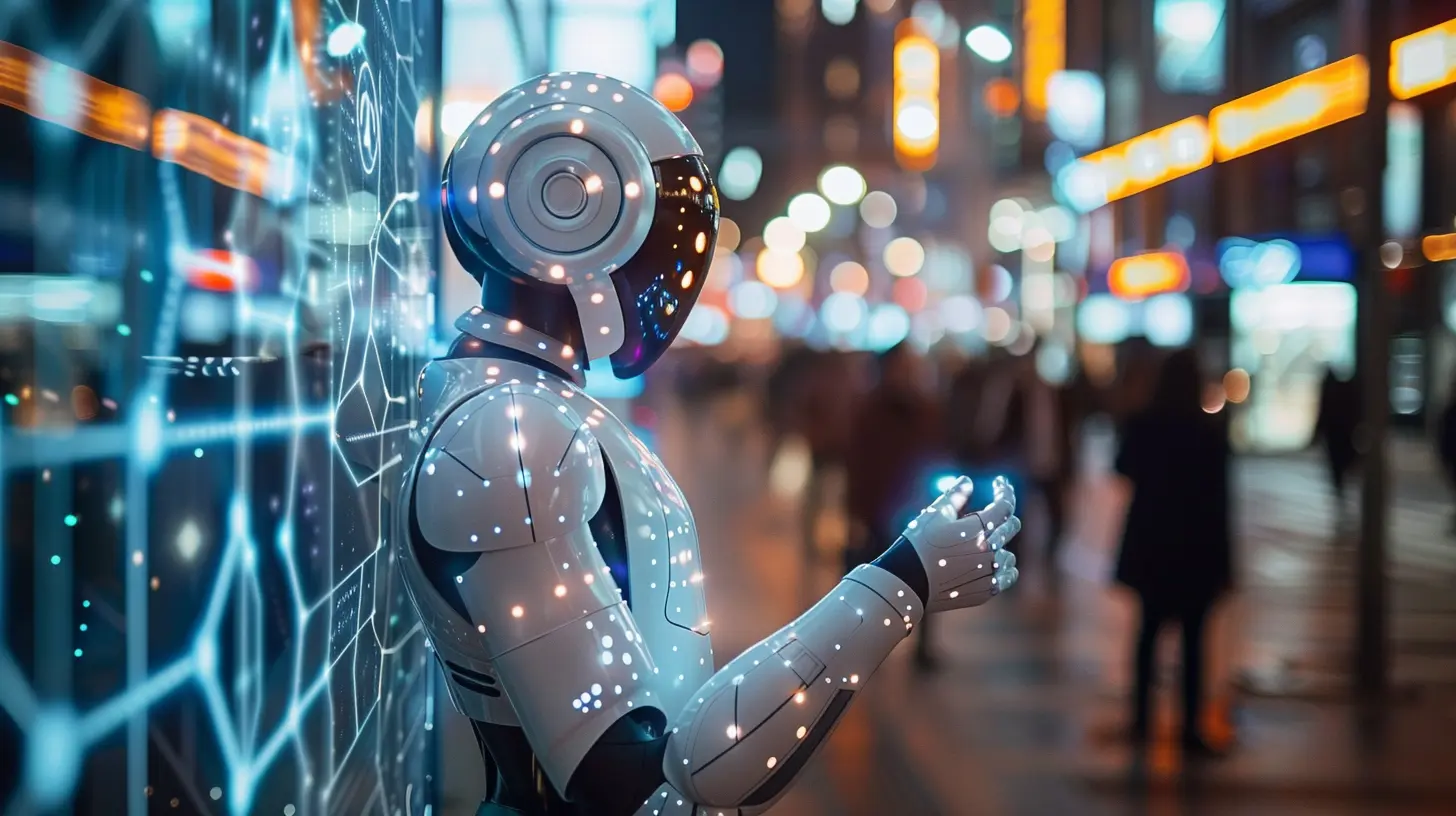
Hyper-Personalization That Feels Like a Friend
Remember when personalization meant a generic "Welcome back, John" email? Those days are laughable. In 2027, AI builds a digital twin of each shopper. It watches your clicks, your hesitations, your scroll speed. It knows you linger on leather bags but always close the page on the price tag. So, it shows you a leather bag on sale, in your favorite color, with a shipping estimate that says "arrives tomorrow."But it goes deeper. AI now predicts life events. If you buy baby diapers, it does not just recommend wipes. It knows how old your baby is based on purchase frequency. By month six, it suggests sippy cups. By month twelve, it offers toddler snacks. This is not creepy; it is helpful. The line between helpful and invasive is thin, and 2027's AI walks it carefully. The best stores let you control how much data they use. But when done right, personalization feels like a friend who remembers your birthday without being reminded.

Dynamic Pricing That Changes by the Second
Here is a truth bomb: prices have never been static, but AI makes them dance. In 2027, dynamic pricing is not just for airlines and hotels. It is for everything. A pair of headphones might cost $89 at 10 AM and $72 at 3 PM. Why? Because AI analyzes demand, competitor prices, inventory levels, and even the weather. If it is raining in your city, umbrella prices go up. If a competitor runs a flash sale, your AI adjusts instantly to stay competitive without bleeding profit.This sounds ruthless, and it can be. But it also benefits shoppers. If you are a loyal customer, AI might offer you a lower price than a new visitor. If you abandoned your cart, the price might drop by 10% within an hour. The trick is transparency. Nobody likes feeling cheated. Smart stores show a price history or a "price match guarantee" powered by AI. The goal is not to gouge; it is to optimize. And in 2027, optimization is the name of the game.

Chatbots That Actually Help (Not Just Annoy)
We have all been there. You click the chat bubble, and a bot asks "How can I help you?" You type "track my order," and it sends you a link to the tracking page. Thanks, bot. That is 2019. In 2027, chatbots are powered by large language models that understand context, sarcasm, and even emotion. You type "My package is late and I am furious," and the bot does not apologize robotically. It checks your order, sees the delay, offers a refund or a discount, and escalates to a human only if you demand it.These bots handle returns, size recommendations, and even styling advice. They remember your past conversations. They do not make you repeat yourself. For businesses, this slashes customer service costs by up to 70%. For shoppers, it means instant help at 3 AM. The best part? They learn from every interaction. Every "no" makes them smarter. By 2027, a good chatbot is indistinguishable from a human agent in most routine tasks. And that is a win for everyone.
Inventory Management That Predicts the Future
Running out of stock is a nightmare. Overstocking is a money pit. AI solves both. In 2027, predictive analytics are so accurate that warehouses know what to order before customers even think about it. The AI crunches data from social media trends, search volume, weather reports, and even celebrity endorsements. If a viral TikTok video shows a certain color of sneakers, the AI orders more of that color within hours.This is not theory. Companies like Zara and H&M have used AI for years to cut waste. But in 2027, even small businesses get access to these tools. A Shopify plugin can analyze your sales history and local events to tell you exactly how many units of a product to stock for the holiday season. No more guesswork. No more "sorry, out of stock." The result is leaner operations, less waste, and faster shipping. And faster shipping is the currency of modern e-commerce.
Voice Commerce Is Finally Here
We have been hearing about voice shopping for a decade. It never quite took off, did it? That changed in 2027. Why? Because voice assistants got better at understanding context. You can say "Alexa, order the same coffee pods I bought last month, but the dark roast version, and make sure it arrives by Friday." And it works. No typos. No confusion.Voice commerce now accounts for a significant chunk of repeat purchases. Groceries, cleaning supplies, pet food -- these are the low-stakes items that people order by voice while cooking or driving. The key is integration. Smart speakers sync with your purchase history, your calendar, and even your fridge if it is smart. The AI knows you are running low on milk because your smart fridge told it. That is convenience on a level we used to see in sci-fi movies. For e-commerce brands, optimizing product listings for voice search is now as important as SEO for text. Short, clear product names and natural language descriptions win.
Augmented Reality Try-Ons That Feel Real
Returns are the enemy of e-commerce. They cost billions. The solution? Let people try before they buy, virtually. Augmented reality (AR) has been around, but in 2027, it is photorealistic. You point your phone camera at your living room, and the AI places a sofa in it. The lighting matches. The shadows look real. You can walk around it. You can see how the fabric looks under your lamp. For fashion, you try on clothes without undressing. The AI maps your body accurately, even accounting for your posture.This is not just for big-ticket items. Makeup brands let you test lipstick shades. Jewelry stores let you see how a ring looks on your hand. The impact is huge. Conversion rates for products with AR try-ons are two to three times higher. Return rates drop by half. In 2027, if you sell anything that requires a fit or a look, AR is not optional. It is expected. Customers will choose the store that lets them try on a virtual jacket over the one that makes them guess.
The Rise of Autonomous Delivery
You ordered it. Now how does it get to you? In 2027, drones and robots are not novelties. They are routine in many cities. AI coordinates delivery fleets in real time. It knows traffic patterns, weather, and even the best time to drop off a package when you are home. A drone can land on your balcony. A sidewalk robot can navigate crowded streets and ring your doorbell.This is not everywhere yet. Rural areas still rely on trucks. But in dense urban centers, autonomous delivery cuts costs and speeds up delivery to under an hour. For e-commerce, this changes expectations. "Free shipping" used to mean a week. Now, it means today. AI makes this possible by optimizing routes, predicting demand, and even pre-positioning inventory in neighborhood hubs. The logistics behind this are mind-boggling, but the result is simple: you get your stuff faster, and the planet benefits from fewer delivery trucks on the road.
Ethical AI and the Trust Factor
All this power comes with responsibility. In 2027, shoppers are more aware of AI than ever. They know their data is being used. They worry about bias in pricing or recommendations. The smartest e-commerce brands are transparent. They tell you why a price changed. They let you opt out of personalization. They audit their algorithms for fairness.There is a growing movement for "explainable AI." If a loan application is denied or a product is not recommended, the system can tell you why. This builds trust. Without trust, all the AI in the world means nothing. Shoppers will abandon a store that feels too manipulative. The winners in 2027 are not the ones with the fanciest algorithms. They are the ones who use AI to serve, not to exploit. It is a fine line, but the best brands walk it with integrity.
What This Means for Small Businesses
You might be thinking, "This sounds expensive. Only big players can afford this." Not anymore. AI tools have become affordable and accessible. A small boutique can use AI for inventory planning, chatbot support, and personalized email campaigns for a few hundred dollars a month. There are open-source models that run on a laptop. The barrier to entry has dropped dramatically.The key is not to adopt every trend. Pick the ones that matter for your customers. If you sell custom furniture, invest in AR try-ons. If you sell groceries, focus on voice commerce and subscription predictions. Start small. Test. Learn. AI is not a magic wand. It is a tool. And like any tool, it works best when you use it with skill and intention.
The Human Touch Still Matters
Here is the paradox. The more AI takes over, the more we crave human connection. In 2027, the most successful e-commerce brands blend automation with genuine human warmth. A chatbot can handle the basics, but a real person steps in for complex issues. AI can recommend products, but a handwritten thank-you note in the package still makes people smile.Do not forget the story. People buy from brands they trust. They buy from people, not robots. Use AI to handle the boring stuff so you can focus on the creative, the personal, the unexpected. That is the sweet spot. That is where loyalty lives.
The Bottom Line
AI in e-commerce in 2027 is not about replacing humans. It is about removing friction. It is about making shopping faster, easier, and more personal than ever. From visual search to autonomous delivery, the changes are real and they are here. If you run an online store, the question is not whether to use AI. It is how to use it wisely.So, take a step back. Look at your business. Where are the bottlenecks? Where do customers get frustrated? That is where AI can help. Start there. The future is not a distant horizon. It is already in your shopping cart.
all images in this post were generated using AI tools
Category:
Artificial IntelligenceAuthor:

Amara Acevedo
Discussion
rate this article
1 comments
Vance Diaz
AI is already transforming e-commerce, and by 2027, its impact will be even more profound. Personalization, predictive analytics, and improved customer service are just the beginning. Businesses that embrace AI now will be the ones thriving in this rapidly evolving landscape.
May 5, 2026 at 3:56 AM
Amara Acevedo
Absolutely, the potential of AI in e-commerce is huge. Those who adapt early will definitely lead the way in 2027 and beyond.