Artificial Intelligence and the Future of Customer Service
13 April 2026
Let’s face it—customer service isn’t what it used to be, and that’s not a bad thing. In fact, it’s evolving faster than ever–thanks to artificial intelligence (AI). Remember the days of sitting on hold for 45 minutes, listening to repetitive hold music and trying not to lose your mind? Yeah, we’ve all been there. But those days are slowly fading away, replaced by smarter, faster, and more helpful systems that actually understand what you need.
AI in customer service isn’t just some futuristic dream anymore—it’s real, it’s here, and it’s changing the game. If you’ve ever chatted with a support bot that knew exactly what you were asking, or received a personalized product recommendation that felt eerily spot-on, you’ve already had a taste of what AI can do. But what does this mean for businesses? For customers? And, let’s be real, for the real-life people working in support roles?
Let’s unpack it all in this deep dive into artificial intelligence and the future of customer service.
What Is AI-Powered Customer Service, Anyway?
Alright, before we get too deep, let’s make sure we’re on the same page. When we say "AI in customer service," we’re talking about using machines—specifically, algorithms and data—to automate, streamline, and enhance interactions with customers. Think chatbots, virtual assistants, sentiment analysis tools, and systems that can predict what you need… sometimes before you even know you need it.It’s not just about robots answering questions. It's about creating a smarter, more intuitive experience that meets people where they are.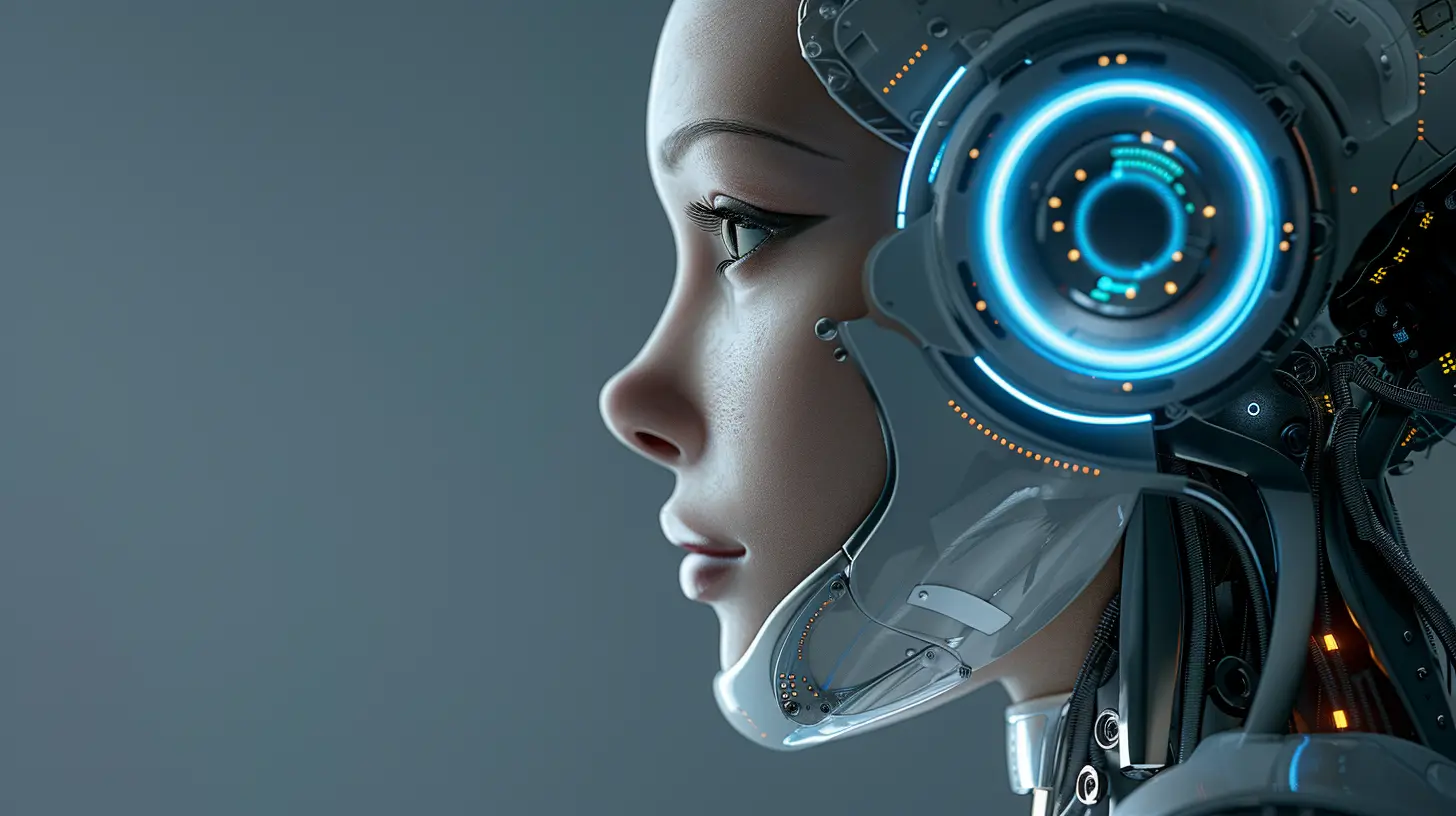
Why AI Matters in Customer Service Right Now
You might be wondering, “Why the sudden hype around AI?” To put it simply—customer expectations have skyrocketed. We live in an on-demand world where patience is thin and options are plenty. If your business can’t deliver quick, accurate, and friendly service? Customers will bounce to a competitor before you can say “please hold.”Here’s what’s pushing AI front and center:
- 24/7 Availability: People shop and browse at all hours. AI doesn’t need coffee breaks.
- Scalability: Serve 1 or 10,000 customers at once. No sweat.
- Personalization: AI can analyze past behavior to tailor responses and offers.
- Cost Efficiency: Automating routine queries cuts down human labor and overhead.
So yeah, AI isn’t just a trend. It's pretty much essential now.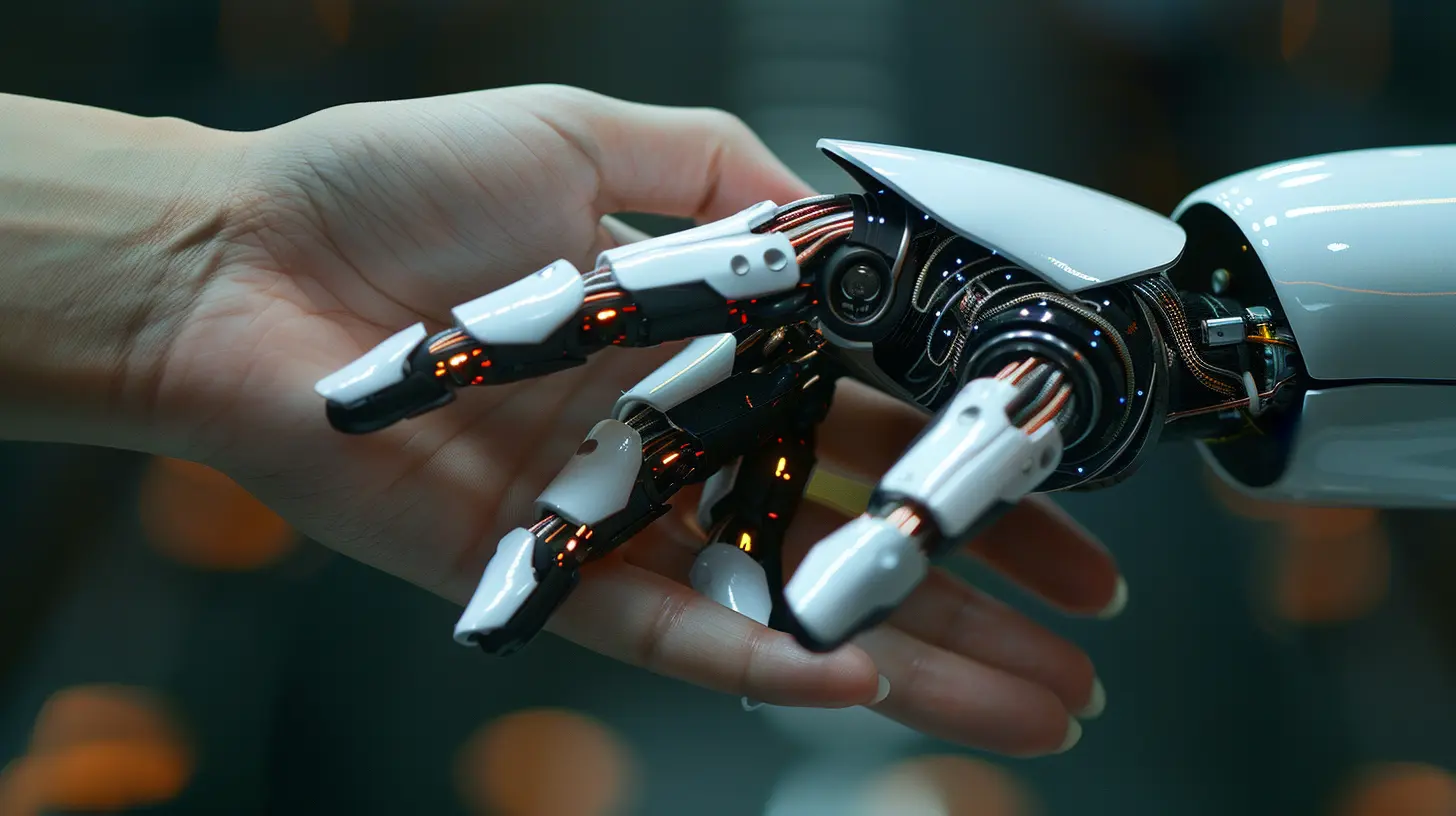
What AI Looks Like in Today’s Customer Service
Let’s break it down. AI takes many shapes in service scenarios. Here are the most common (and coolest) ones you’re probably already encountering:1. Chatbots
These are the frontliners. They’re those friendly little chat windows that pop up when you visit a website. Powered by natural language processing (NLP), they can interpret human language, respond logically, and even crack a joke or two.Some bots handle FAQs. Others go deeper—modifying orders, troubleshooting issues, or collecting customer feedback.
2. Virtual Assistants
Think of them as chatbots’ smarter cousins. Virtual assistants like Apple’s Siri or Amazon’s Alexa can process complex requests and integrate with multiple platforms. When tailored for businesses, they can book appointments, manage accounts, or offer product recommendations with scary-good precision.3. Sentiment Analysis
This one’s a bit more behind the scenes. AI tools scan text, voice, or interaction tone to gauge customer mood. Angry tweet? Frustrated email? The system flags it so an actual human can intervene before things blow up.4. Predictive Customer Support
AI can analyze past interactions to spot patterns. For example, if a customer has called about the same technical glitch three times, the AI might automatically escalate the issue or suggest a permanent solution. It’s like your smart friend who finishes your sentences—except it’s fixing your tech problems.
The Human Touch: Is It Gone Forever?
Here’s the million-dollar question: Is AI replacing human agents?The short answer? No. Not entirely, anyway.
AI is incredible for handling repetitive, low-stakes inquiries. But when it comes to emotional intelligence, complex problems, or nuanced negotiation—humans still wear the crown. What AI does is free people up from the dull stuff, so they can focus on the real connections.
Think of it like this: AI is the assistant who sets the table, while your human agents are the ones hosting the dinner party.
It’s a tag-team effort. And when done right, it creates a seamless, high-quality experience.
What Customers Really Want (Spoiler: It’s Not Rocket Science)
Let’s not overcomplicate things. At the end of the day, customers want a few simple things:- Speed – Nobody wants to wait.
- Accuracy – Give me the right answer the first time.
- Empathy – I want to feel heard and understood.
- Convenience – Let me choose my own path—phone, chat, email, or social.
AI, when used compassionately and thoughtfully, can tick every one of those boxes.
But it’s crucial to maintain that balance between automation and authenticity. Too much automation? It feels robotic. Not enough? Your team gets overwhelmed. It’s all about creating a customer journey that feels human, smart, and frictionless.
How AI Is Transforming Business Behind the Scenes
It’s not just about those flashy chatbots. AI is also revolutionizing what's going on backstage:1. Training and Onboarding
AI can analyze past customer interactions to identify what works (and what doesn’t). This data helps train new agents faster and smarter. Think customized learning modules, real-time feedback, and performance predictions.2. Workflow Automation
From assigning support tickets based on skills, to suggesting responses via AI writing assistants—automation saves time and reduces burnout.3. Data-Driven Decision Making
Want to know what questions customers ask the most? Which products are confusing? Where the bottlenecks are? AI turns piles of data into actionable insight.The Challenges and Risks of AI in Customer Service
Now, it’s not all rosy. With great power comes—you guessed it—great responsibility. While AI brings tons of perks, it also comes with a few caveats:- Privacy Concerns – AI tools need access to big data. Keeping that data secure is critical.
- Bias in Algorithms – AI is only as good as the data you feed it. If the data is biased, the responses will be too.
- Over-Automation – Going all-in on bots can make your business feel impersonal. Nobody wants to talk to a robot about their broken couch.
The key? Use AI to empower your team, not replace them. Keep the customer at the center of every tech decision.
The Future: Where Are We Headed?
Ready for a little crystal-ball gazing?Here’s how AI will likely shape customer service in the next 5 to 10 years:
Hyper-Personalization
Imagine calling support and the system already knows your preferences, past issues, and preferred solution type. It’s like talking to someone who already read your mind.Voice-Powered Service
With AI tools getting better at understanding tone, mood, and context—voice interactions will become smoother and more intuitive.Multilingual, Multichannel Support
AI can translate on the fly and operate across platforms—chat, social, email, voice—you name it. No more “please hold for Spanish-speaking assistance.”Emotionally Intelligent AI
Tools are already being developed to detect micro-emotions. Soon, AI may recognize when you’re upset and automatically route you to a real person—or even change its tone accordingly.Deeper Integration with IoT
Your devices could start troubleshooting themselves. Imagine your smart fridge sensing a fault and contacting customer service before you even realize there’s an issue.Businesses: How to Make the Most of AI in Customer Service
Okay, so now you're thinking: “This sounds great, but how do I actually use it?”Here’s a roadmap to get started:
1. Start Small – Begin with a chatbot or FAQ assistant. See how it performs.
2. Choose the Right Tools – Not all AI is created equal. Look for trusted platforms with great support.
3. Train Your Team – Make sure your human agents know how to work alongside AI.
4. Monitor and Adjust – Keep an eye on data, adapt based on feedback, and don’t be afraid to iterate.
5. Always Prioritize the Human Experience – Tech is a tool, not the goal. Keep empathy at the heart of your strategy.
Final Thoughts: It’s a Partnership, Not a Takeover
Artificial intelligence isn’t here to take over customer service—it’s here to transform it. Imagine the possibilities when human compassion and machine intelligence join forces. Think fewer long lines, fewer frustrated customers, and more meaningful conversations.It's not about replacing people; it's about enabling them to be their best. And at its core, AI is just another way we’re trying to make life a little easier, a little faster, and a whole lot more personalized.
So whether you're a business owner, a customer service rep, or just someone who dreads calling support–take a deep breath. The future is looking pretty friendly.
all images in this post were generated using AI tools
Category:
Artificial IntelligenceAuthor:

Amara Acevedo
Discussion
rate this article
2 comments
Audrey Gilbert
Sure, let's just let robots handle all our customer service needs. Who needs empathy and understanding when you can have a perfectly programmed line of code? I can already hear the customers singing its praises... not.
June 19, 2026 at 2:19 AM
Zina Hudson
Great insights on AI's role in customer service! Integrating AI can enhance efficiency and personalization. Businesses should balance technology with the human touch to ensure a seamless and satisfying customer experience. Looking forward to future developments!
April 14, 2026 at 3:37 AM
Amara Acevedo
Thank you for your thoughtful comment! I completely agree that balance is key in leveraging AI while maintaining the essential human element in customer service. Exciting times ahead!