Artificial Intelligence and the Evolution of Logistics
5 July 2026
Let’s face it—logistics isn’t the flashiest topic at dinner parties, but without it, the world would be in total chaos. Imagine ordering your favorite sneakers online and never receiving them. Or a grocery store running out of milk… for weeks. Logistics is the invisible thread that holds modern commerce together.
Now, throw Artificial Intelligence (AI) into the mix, and things get interesting. Like, really interesting.
AI isn’t just some far-off robot fantasy anymore. It’s shaking things up across industries, and logistics is no different. From predictive analytics to smart warehouses, we're seeing a real transformation—a digital revolution, if you will.
So, buckle up, because we’re about to unpack (pun intended) how AI is changing the game in logistics.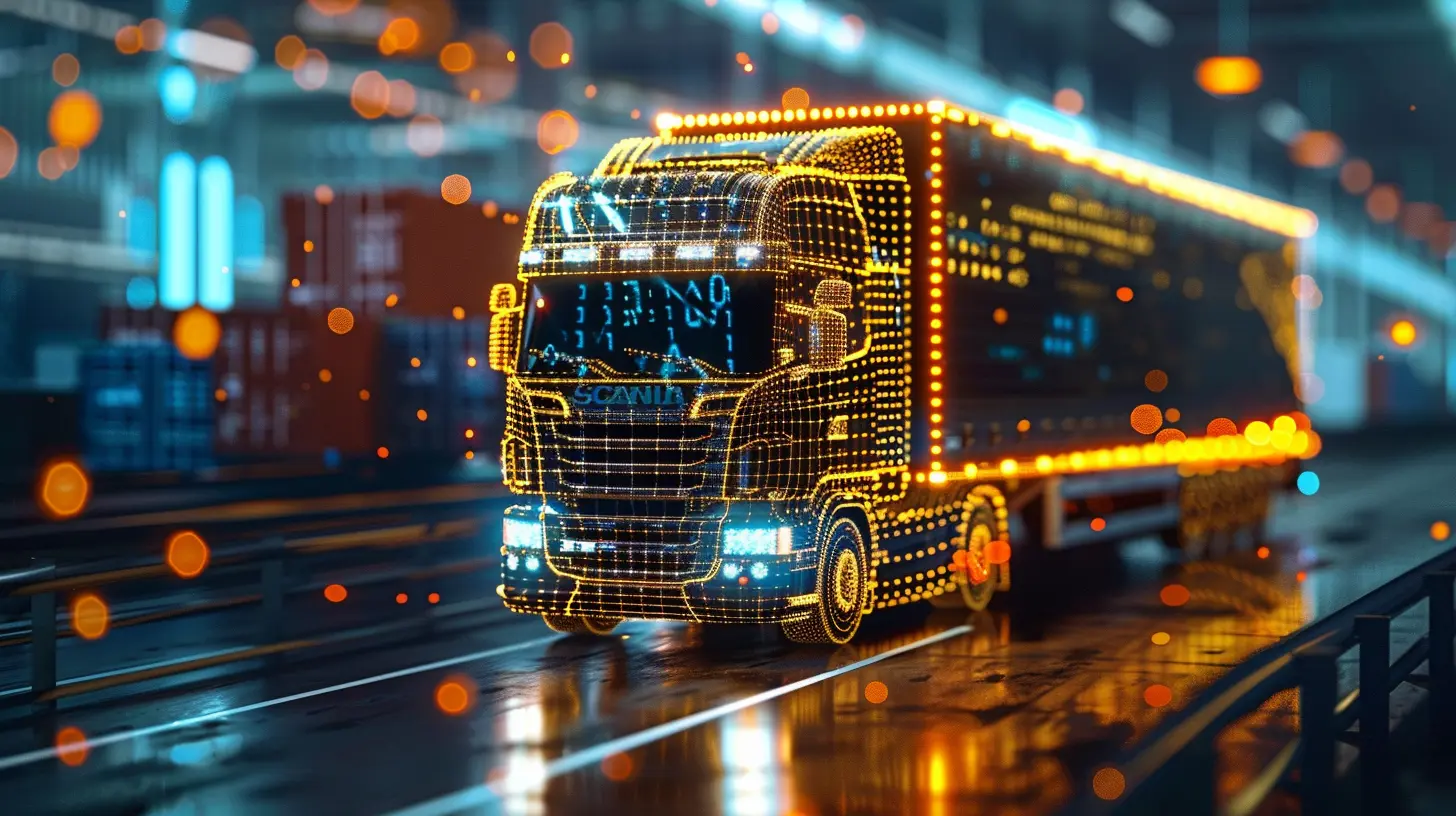
What Is Logistics, Anyway?
Before we dive into AI’s role, let’s set the stage. Logistics is basically the big puzzle of moving stuff where it needs to go—on time, cost-effectively, and in good shape. It’s everything from warehousing, inventory management, shipping, and delivery.In short, logistics is the backstage crew that makes the ecommerce theater look flawless.
But as demand for faster, cheaper shipping grows and supply chains get more complex, traditional systems just can’t keep up. Enter AI.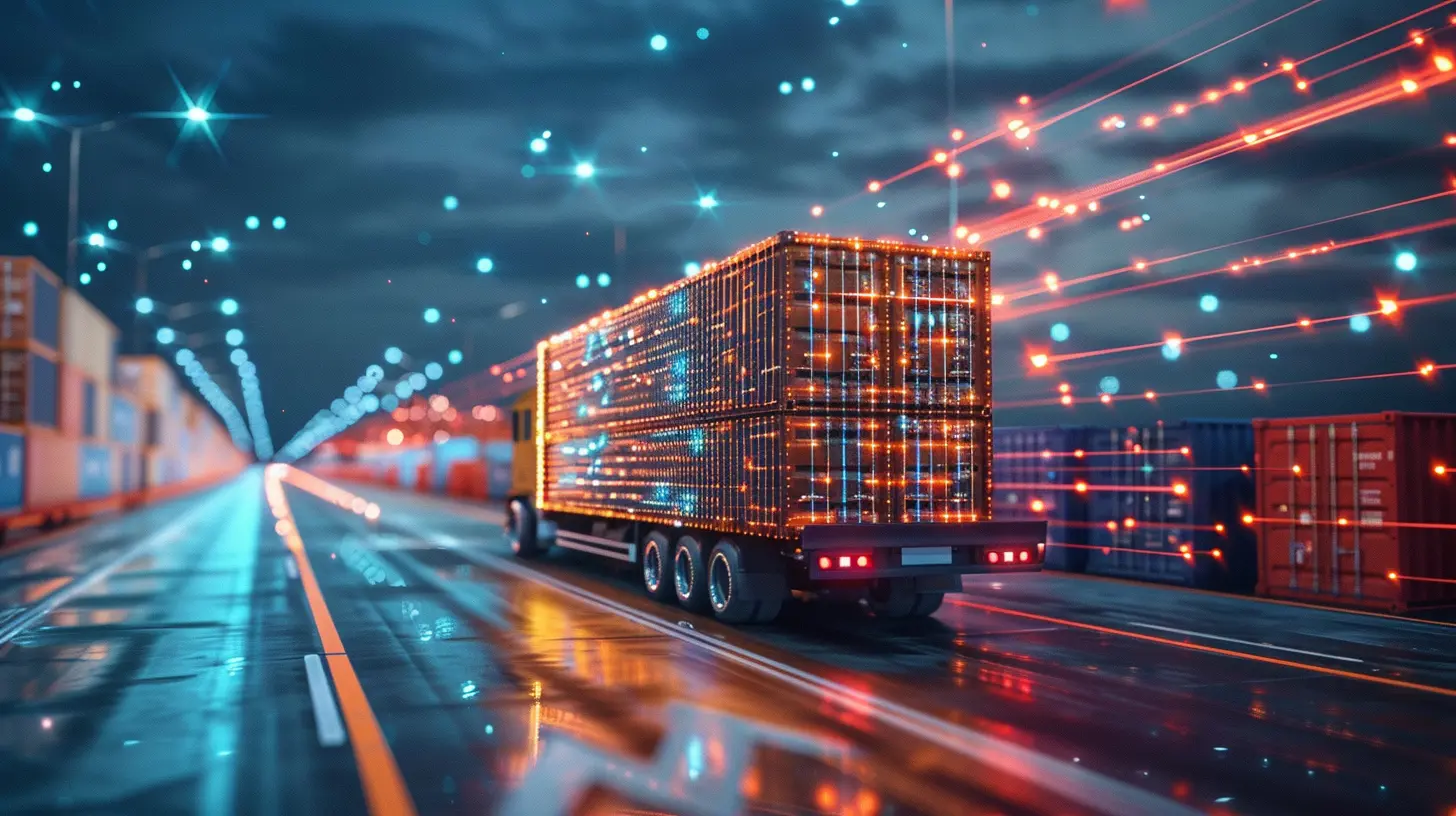
AI + Logistics = Smarter Operations
Here’s the thing: Logistics is jam-packed with data—tons of it. Every product, shipment, and transaction generates a trail of information. The problem? Humans just weren’t built to handle that kind of volume in real time.AI, on the other hand? It eats data for breakfast.
1. Predictive Analytics: The Crystal Ball of Logistics
Imagine knowing ahead of time when a shipment would be delayed or which products are about to go out of stock. That’s the power of predictive analytics, and AI makes it possible.By analyzing historical data and real-time variables—like weather conditions, traffic patterns, or consumer behavior—AI helps companies forecast demand, predict bottlenecks, and adjust their strategies accordingly.
This isn't a guessing game anymore. It's science. Smart, data-driven science.
2. Route Optimization: The GPS on Steroids
You know how your GPS diverts you around traffic? AI takes that concept and turns it up to eleven.With dynamic routing powered by AI, delivery trucks aren't just taking the shortest route—they’re taking the smartest route. It factors in real-world elements like road closures, traffic jams, weather, and even fuel efficiency.
End result? Faster deliveries, lower fuel costs, and happier customers. Win-win-win.
3. Smart Warehousing: Not Your Dad’s Storage Facility
Warehouse operations have evolved massively thanks to AI, and it's a beautiful thing to watch.AI-enabled robots now zip through warehouse aisles, pick and pack products with unbelievable accuracy, and even restock shelves. They don't get tired, they don’t take coffee breaks, and they can work 24/7.
Pair that with AI-driven inventory management systems, and businesses suddenly know exactly what’s in stock, what’s running low, and what’s been collecting dust for months. No more overstocking or stockouts—just lean, mean, efficient warehousing machines.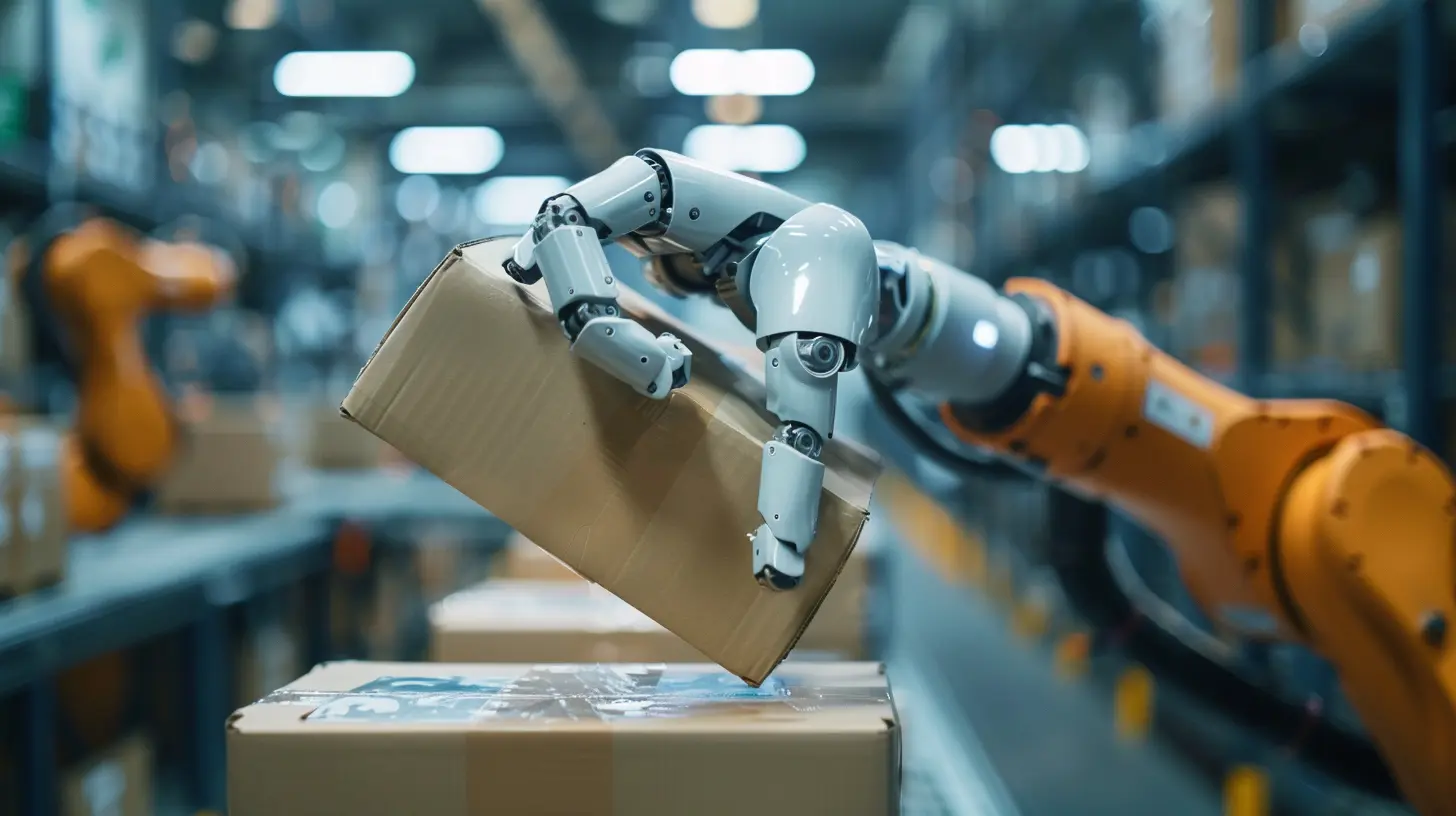
Real-Time Visibility: Transparency Is the New Trust
Customers today want to know where their orders are every step of the way. And we're not just talking, "Your order has shipped." They want to see the live location, the estimated delivery time, and alerts for any hiccups along the route.Thanks to AI-powered tracking platforms, this level of visibility is now standard. Companies can provide real-time updates with granular detail, and not just to customers but to internal teams too.
It builds trust. It reduces customer service headaches. And let’s be honest—it’s kinda cool watching your package move like a pizza tracker.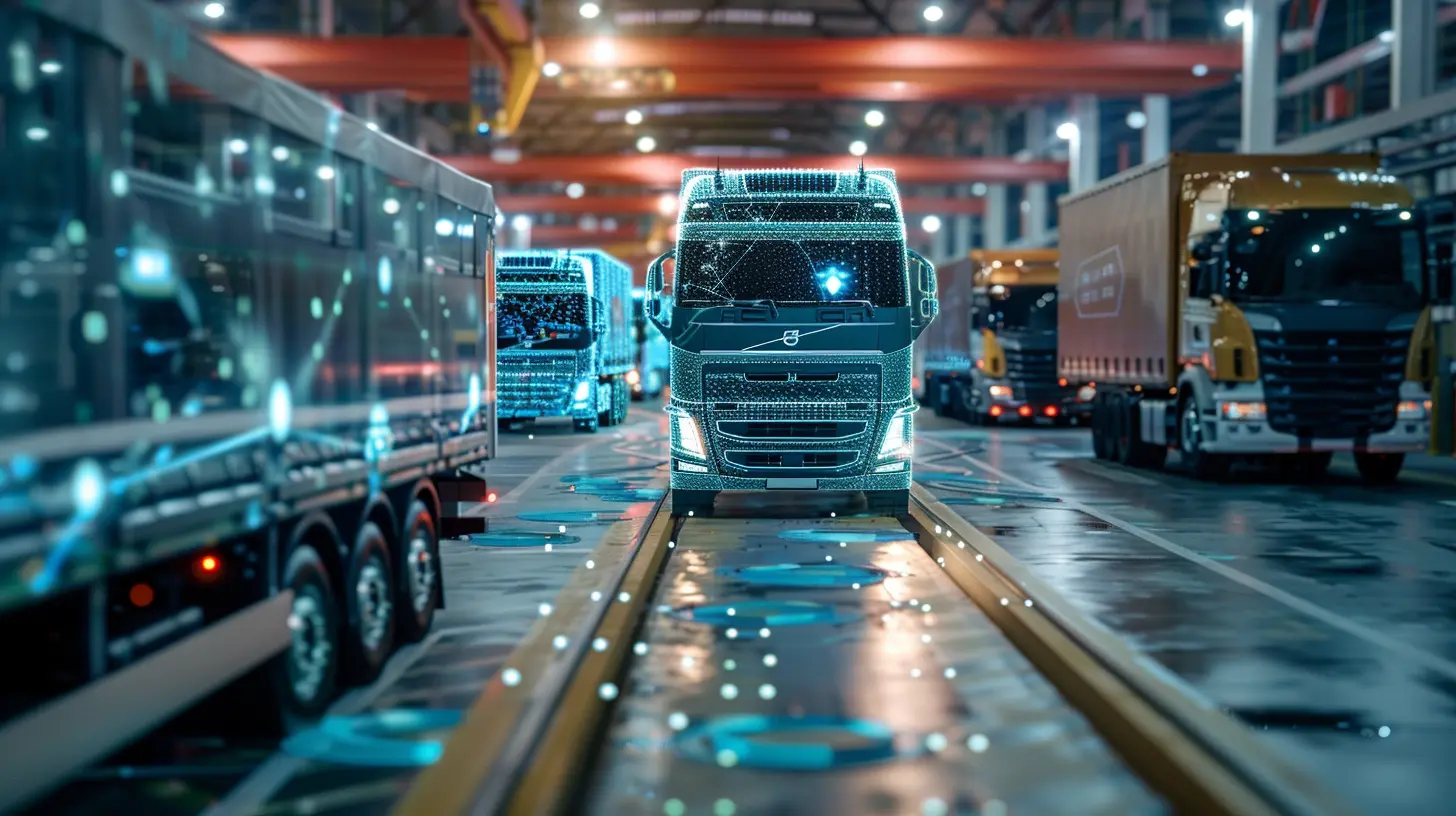
AI-Powered Automation Is Killing the Bottlenecks
Remember the old days of paperwork, spreadsheets, and a lot of guesswork? Yeah, those days are over (or at least, they should be).AI automates all that mundane, repetitive junk that used to slow down logistics workflows. We're talking invoice processing, shipment scheduling, compliance checks—you name it.
And the best part? AI learns as it goes. So the more it works with your specific supply chain, the better it gets at making smart decisions.
No more bottlenecks. Just smooth, streamlined processes that run like clockwork.
Enhanced Customer Experience: Because Your Customers Deserve It
Let’s be real—nobody likes paying for a product and then waiting 10 days while wondering where it is. In the age of same-day delivery and instant updates, customer expectations are sky-high.AI allows logistics companies to actually meet those expectations. Personalized recommendations, proactive delay notifications, chatbots offering 24/7 support—it's all possible with AI.
And when customers are happy, they come back. That’s the holy grail of business: customer loyalty.
Risk Management Like a Fortune Teller With a Spreadsheet
One of the most underrated benefits of AI in logistics is how it handles risk. Whether it's natural disasters, geopolitical issues, or supplier shutdowns, AI models can simulate different scenarios and recommend the safest and most efficient paths forward.Think of it like weather forecasting for your supply chain. Storm coming? AI already rerouted. Political unrest in a key region? AI's got you covered with a contingency plan.
It’s proactive, not reactive—and that makes all the difference.
Sustainability: Being Green With a Digital Touch
Let’s not forget the planet in all of this. Logistics has traditionally had a pretty hefty carbon footprint, but AI is helping to change that.By optimizing routes, reducing empty miles, and automating energy-efficient warehouses, AI directly contributes to more sustainable practices.
Fewer trucks on the road. Lower emissions. Less waste.
Doing good for the planet doesn’t always mean sacrifice. Often, it just means being smarter—and AI is as smart as it gets.
Real-World Examples of AI Revolutionizing Logistics
Let’s put theory into practice. Here are a few companies killing it with AI in logistics:- Amazon: Their use of AI in robotics, warehouses, and delivery logistics is next-level. Ever heard of Amazon Prime Air? That's AI-powered drone delivery in the making.
- UPS: Using an AI system called ORION (On-Road Integrated Optimization and Navigation), the company reportedly shaved off millions of miles from delivery routes—saving fuel and time.
- Maersk: The global shipping giant uses AI to predict equipment failures, optimize cargo loading, and even improve ocean route planning.
These companies aren’t just dabbling in AI—they're fully embracing it to gain a competitive edge.
The Challenges (Because It’s Not All Rainbows and Unicorns)
Let’s not sugarcoat it. AI in logistics isn’t all smooth sailing.There are challenges, too. Like:
- High upfront costs of technology and training
- Data privacy concerns
- Integration with outdated legacy systems
- Resistance from human workers fearing job losses
But here’s the kicker—these are growing pains, not dead-ends. Every new technology has its hurdles. The key is adapting, not resisting.
What’s Next? The Future of Logistics Is Here
As AI continues to evolve, expect even bigger changes.We’re talking autonomous delivery vehicles, smarter city logistics, AI-powered supply chain ecosystems, and predictive maintenance models that can tell a machine is going to fail before it actually does.
It’s not sci-fi anymore. It’s happening. And if businesses want to stay relevant, getting on board the AI train isn’t optional—it’s necessary.
Final Thoughts
AI is more than just a buzzword in logistics—it's the real deal. From shaving off delivery times to optimizing entire supply chains, it’s transforming how things move from Point A to Point B.And here’s the honest truth: companies that embrace AI will dominate the future of logistics. Those that don’t? They’ll be left in the dust, still stuck in the slow lane.
So, whether you’re running a small ecommerce shop or managing global shipments, it’s time to ask: is your logistics strategy future-ready?
If not, AI might just be your new best friend.
all images in this post were generated using AI tools
Category:
Artificial IntelligenceAuthor:

Amara Acevedo
Discussion
rate this article
1 comments
Wolf Watson
This article provides valuable insights into how artificial intelligence is transforming logistics. The discussion on efficiency and predictive analytics highlights the potential for optimizing supply chains. It's exciting to see how these technologies will continue to shape the future of the industry.
July 8, 2026 at 2:36 AM
Amara Acevedo
Thank you for your feedback! I'm glad you found the insights on AI's impact on logistics valuable. It's an exciting time for the industry.