Understanding the Impact of AI on Supply Chain Management
17 June 2026
Artificial Intelligence (AI) is revolutionizing the way businesses operate across various industries, and supply chain management (SCM) is no exception. From demand forecasting to real-time tracking, AI is bringing efficiency, accuracy, and automation to supply chains like never before.
But what does this mean for businesses? How is AI reshaping the supply chain, and what are its implications for the future? Let’s dive deep into the impact of AI on supply chain management and see why it’s becoming a game-changer. 
How AI is Transforming Supply Chain Management
The traditional supply chain relied heavily on manual processes and intuition-based decision-making. While these methods worked in the past, they were prone to inefficiencies, errors, and delays. AI is changing the game by introducing data-driven, automated solutions that enhance efficiency and reduce risks.1. Enhanced Demand Forecasting
Predicting demand has always been a challenge. Businesses either end up stocking too much inventory (leading to wastage) or too little (resulting in stockouts). AI-powered algorithms use historical sales data, market trends, weather patterns, and even social media sentiment to make highly accurate demand forecasts.With AI, businesses can:
- Reduce overstock and understock situations
- Improve customer satisfaction by ensuring product availability
- Optimize production planning and reduce waste
2. Optimized Inventory Management
AI-driven inventory management systems ensure that businesses have the right products at the right time. These systems analyze purchasing patterns, shipping times, and even supplier reliability to predict when stock replenishment is needed.This results in:
- Reduced holding costs
- Minimized stockouts and overstock situations
- Improved cash flow and working capital
3. Smarter Logistics and Route Optimization
Have you ever wondered how companies like Amazon manage to deliver packages so quickly? AI plays a big role in optimizing transportation and logistics.AI-powered systems analyze traffic patterns, weather conditions, and delivery histories to determine the best delivery routes. This leads to:
- Reduced fuel consumption and transportation costs
- Faster delivery times, enhancing customer satisfaction
- Lower carbon footprint with more efficient logistics
4. Real-Time Supply Chain Visibility
Gone are the days when businesses had to guess where their shipments were. AI-powered tracking systems provide real-time visibility into the entire supply chain. This means businesses can monitor shipments, anticipate delays, and proactively find solutions to potential disruptions.With real-time supply chain insights, companies can:
- Identify bottlenecks and inefficiencies
- Improve supplier collaboration and responsiveness
- Enhance overall supply chain resilience
5. AI-Powered Supplier Relationship Management
Managing supplier relationships is another area where AI is making a big impact. AI tools analyze supplier performance, delivery times, and quality consistency to help businesses choose the most reliable partners.This enables businesses to:
- Strengthen partnerships with high-performing suppliers
- Reduce risks associated with unreliable suppliers
- Negotiate better contracts with data-backed insights
6. Automation in Warehousing and Order Fulfillment
Warehouses are becoming smarter thanks to AI-driven automation. Robotics, machine learning, and AI-powered warehouse management systems streamline order fulfillment by automating packaging, sorting, and dispatching processes.The benefits include:
- Faster order processing and reduced labor costs
- Minimized human errors in order fulfillment
- Scalable operations that grow with demand
7. Risk Management and Predictive Maintenance
AI doesn’t just optimize efficiency—it also helps businesses prevent problems before they happen. AI-driven predictive analytics assess risks in real time, from supply chain disruptions to equipment failures.For example, AI can monitor machinery in a warehouse and predict maintenance needs before a breakdown occurs, preventing costly downtime. Similarly, AI can assess geopolitical risks, weather disruptions, and economic factors that could impact supply chains.
With AI-driven risk management, businesses can:
- Reduce equipment downtime
- Avoid costly supply chain disruptions
- Make proactive, data-driven decisions 
The Benefits of Integrating AI into Supply Chain Management
Now that we’ve covered how AI is transforming supply chains, let’s look at the key benefits businesses are experiencing:1. Increased Efficiency and Productivity
AI automates repetitive tasks, streamlines operations, and reduces time-consuming manual work. As a result, businesses can focus on strategic decision-making rather than getting bogged down by routine processes.2. Cost Savings
By optimizing inventory, logistics, and supplier management, AI significantly reduces operational costs. Businesses save money on storage, transportation, and wastage, leading to higher profit margins.3. Better Customer Experience
Faster deliveries, accurate order fulfillment, and well-stocked products lead to happier customers. AI-driven supply chains ensure businesses can meet customer expectations seamlessly.4. Improved Decision-Making
With AI-driven insights, businesses don’t have to rely on guesswork. They can make informed decisions based on real-time data, reducing risks and increasing profitability.5. Greater Agility and Resilience
The modern business landscape is unpredictable, with sudden demand shifts, supply chain disruptions, and economic uncertainties. AI-powered supply chains enable businesses to adapt quickly and stay resilient in the face of challenges.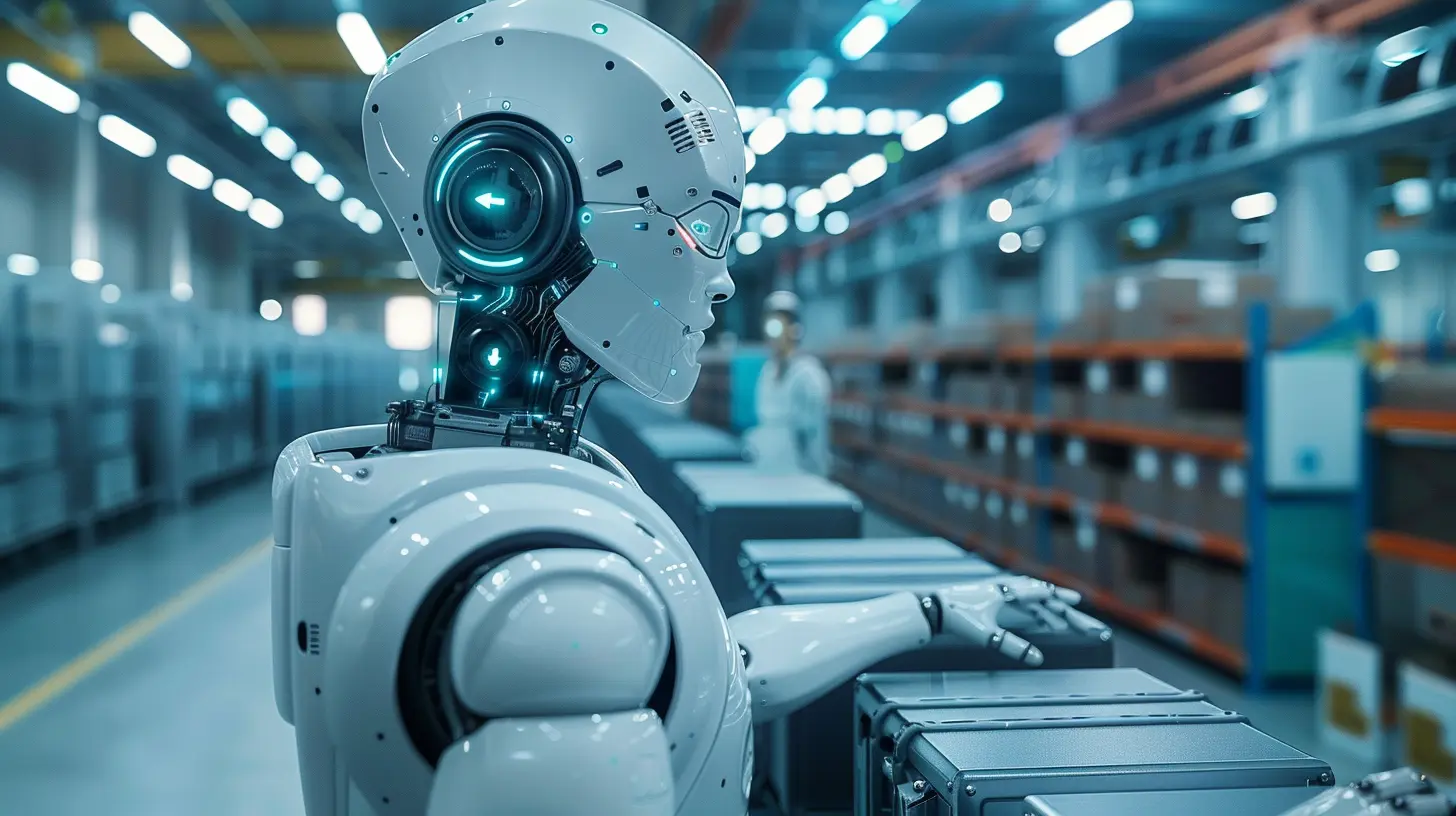
Challenges of AI in Supply Chain Management
While AI is proving to be a powerhouse in supply chain management, it’s not without challenges. Businesses must address these hurdles to fully capitalize on AI’s potential:1. High Implementation Costs
AI integration requires significant investment in technology, infrastructure, and training. Small businesses may find the initial costs challenging.2. Data Privacy and Security Concerns
With AI processing vast amounts of data, protecting sensitive business and customer information is critical. Cybersecurity measures must be in place to prevent data breaches.3. Workforce Adaptation
AI automates many tasks previously handled by humans, raising concerns about job displacement. However, upskilling employees for AI-driven roles can ensure a smooth transition.4. Dependence on Quality Data
AI models rely on accurate and up-to-date data. Poor data quality can lead to incorrect predictions and faulty decision-making, making data management a top priority.
The Future of AI in Supply Chain Management
AI is continuously evolving, and its role in supply chain management will only grow stronger. Here are some future trends to keep an eye on:1. AI-Powered Autonomous Supply Chains
Imagine a fully automated supply chain where AI systems make real-time decisions without human intervention. From procurement to deliveries, AI-driven automation will redefine efficiency.2. Blockchain and AI Integration
Combining AI with blockchain technology can enhance transparency and security in supply chains. Smart contracts and tamper-proof data records will create trust among all stakeholders.3. AI-Driven Sustainability Initiatives
Businesses are now focusing on sustainable supply chains. AI can optimize logistics for eco-friendly transportation routes, reduce waste, and promote ethical sourcing.4. Hyper-Personalization in Supply Chains
AI will enable businesses to tailor supply chain strategies based on individual customer preferences, leading to ultra-personalized shopping experiences.Final Thoughts
AI is not just changing supply chain management—it is reinventing it. From smarter inventory management to predictive analytics, AI is making supply chains more efficient, agile, and resilient.While challenges exist, businesses that embrace AI early will gain a substantial competitive edge. Whether you're a small retailer or a global corporation, leveraging AI in your supply chain is no longer an option—it’s a necessity.
Are you ready to harness the power of AI to transform your supply chain? The future is here, and AI is leading the way!
all images in this post were generated using AI tools
Category:
Artificial IntelligenceAuthor:

Amara Acevedo
Discussion
rate this article
1 comments
Ashira McQuaid
The article highlights AI's transformative potential in supply chain management, yet it overlooks the challenges of integration and ethics. Businesses must balance innovation with responsibility to truly reap AI's benefits without unintended consequences.
June 19, 2026 at 11:54 AM
Amara Acevedo
You raise an important point. While AI offers great benefits, addressing the challenges of integration and ethics is crucial for sustainable success in supply chain management. Balancing innovation with responsibility is key. Thank you for your insight.