Turning Traditional Industries Upside Down: Lessons in Innovation
6 February 2026
We've all seen the story play out — a new startup bursts onto the scene, and within a few years, it’s completely shaken up an industry that’s been standing still for decades. Think Uber and taxis. Netflix and Blockbuster. Airbnb and hotels. These aren't just tech stories; they’re blueprints of how innovation can flip the script on age-old business models.
You may not be the next Elon Musk or Jeff Bezos, but here's the deal: every industry is ripe for a little disruption. Whether you’re in manufacturing, agriculture, retail, or finance, innovation has the power to breathe new life into tired systems. The question is — how do you do that?
In this article, we’ll dig deep into how traditional industries are being turned on their heads and what lessons you can take away to drive innovation in your own space. So, grab a coffee and let’s unpack how the old can become new again.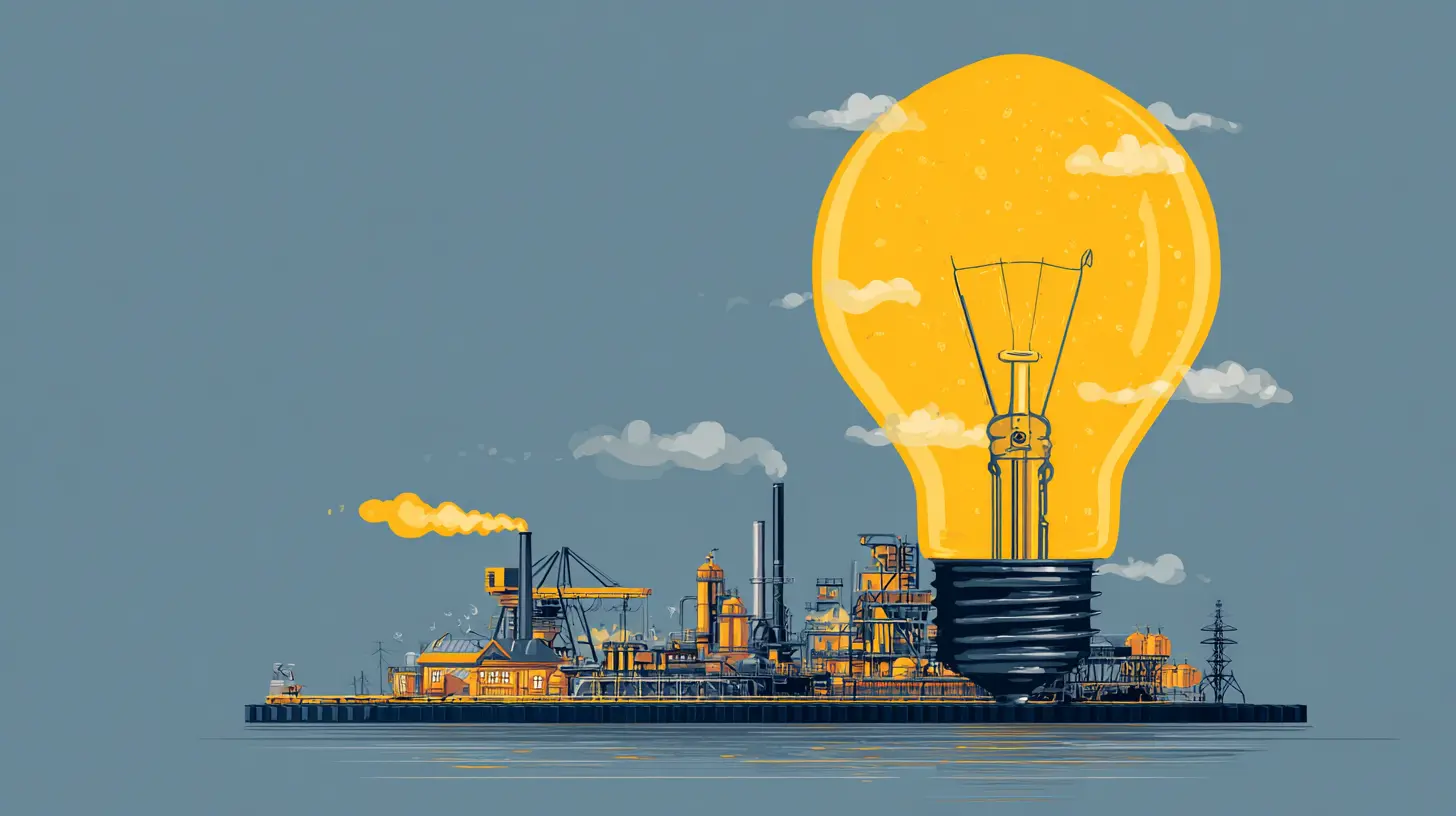
The Disruption Dilemma: Why Traditional Industries Are Vulnerable
Ever noticed how some industries seem almost unchangeable... until they aren't?That's because traditional industries often operate on systems that haven’t changed for decades — sometimes centuries. These businesses usually rely on legacy infrastructure, outdated processes, and a “we’ve always done it this way” mindset.
Here’s the kicker: that kind of thinking is a breeding ground for disruption.
Take taxis, for example. For years, hailing a cab involved standing on a corner, waiting (praying) for a car to come by. Then boom — Uber made everything about convenience, transparency, and user experience. They didn’t invent transportation; they reimagined how it could work in today’s world.
So why are these industries vulnerable?
- Resistance to change
- Heavy bureaucratic layers
- Lack of digital integration
- Customer dissatisfaction that’s normalized
These cracks leave room for agile newcomers to swoop in and steal market share. And once customers get a taste of better, faster, and simpler? There’s no going back.
Lesson #1: Focus on the User Experience
Let’s be honest — traditional industries often overlook customer experience. It becomes all about operations, logistics, or compliance. But guess what? Modern consumers couldn’t care less about your internal systems if interacting with you feels like pulling teeth.Want to make an impact? Obsess over the customer journey.
Look at how Amazon revolutionized retail. They didn’t just sell books online — they created an experience that was insanely convenient, intuitive, and personalized. That focus on seamless UX is what made them the go-to marketplace.
🔑 Takeaway: Innovation starts when you look at how people use your product or service and figure out how to make their lives easier. Strip away the complexity. Add value where others add friction.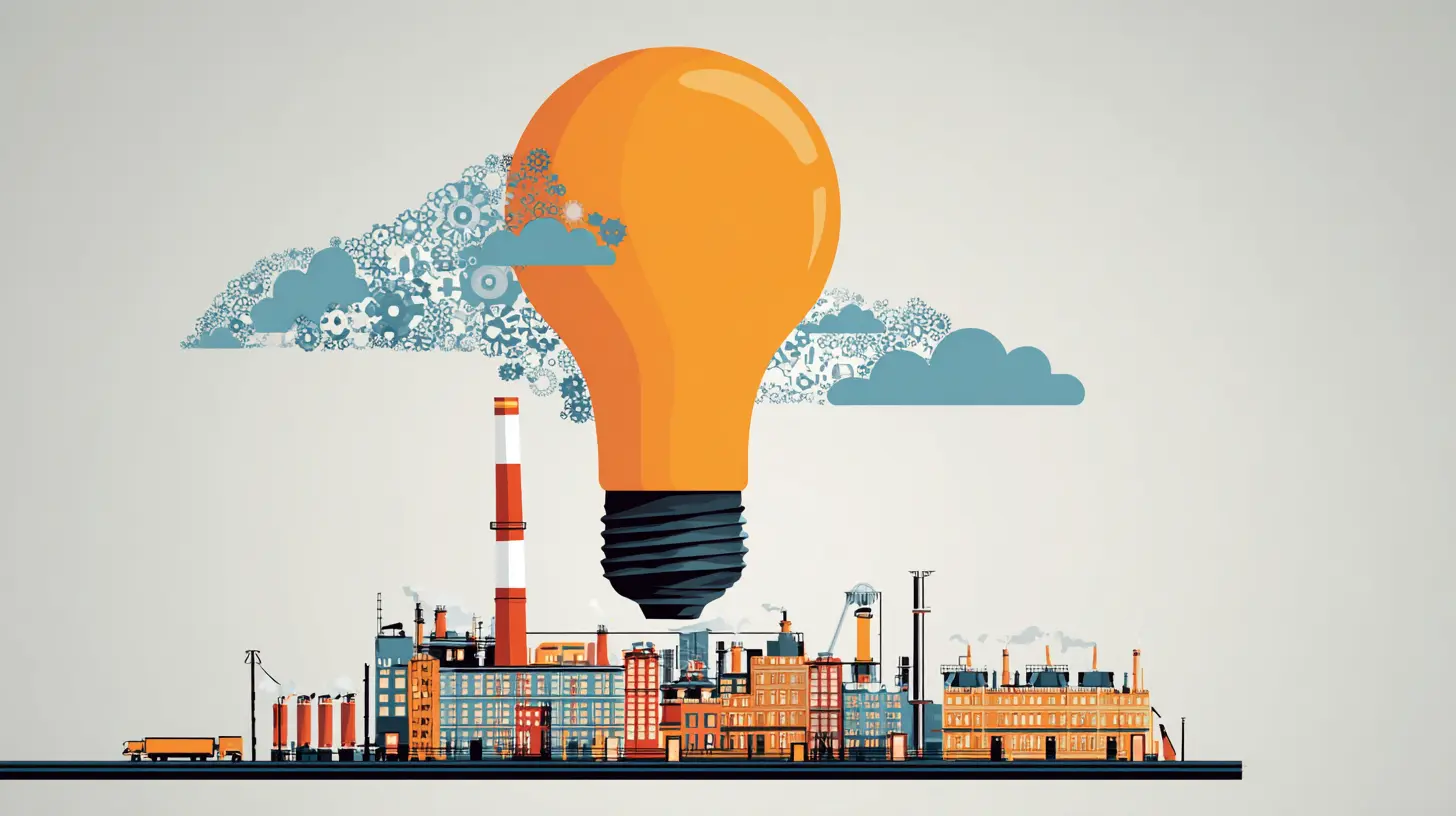
Lesson #2: Technology Isn’t the Disruptor — Behavior Is
People make the mistake of thinking that innovation is all about technology. It’s not.Technology is just a tool. What really changes the game is human behavior.
Netflix didn’t kill Blockbuster just because they streamed content. They capitalized on the fact that people were tired of late fees and trips to the video store. Spotify didn’t dominate because of superior audio fidelity — they understood that people wanted access over ownership. Convenience won.
So, when you’re dreaming up the next big shift, ask yourself:
- What habits are emerging in my market?
- Are people craving more transparency, speed, or flexibility?
- How can I simplify or reframe existing behaviors?
🔑 Takeaway: Focus on the shift in customer expectations. Align your product or service with how people want to live and work today — not how they used to.
Lesson #3: Don't Just Digitize — Reimagine
Slapping an app or website on top of a broken process is like putting lipstick on a pig. It might look modern, but it’s still stuck in the past.True innovation isn’t about digitizing old ways of doing things — it’s about rethinking the entire process. You need to start from scratch and ask, “If this didn’t exist, how should we build it today?”
Airbnb didn’t digitize hotels — they built a community-based economy around unused space. Canva didn’t just make Photoshop easier — they reimagined what graphic design could be for non-designers.
🔑 Takeaway: Rethink the value you deliver from the ground up. Forget how it’s traditionally done and ask what would make it 10 times better.
Lesson #4: Data Is the New Oil — But Only If You Use It
Traditional industries often sit on mountains of data — and do nothing with it.On the other hand, innovative companies use data like a compass. They don’t just collect it; they analyze it, learn from it, and pivot based on it. This is especially powerful in industries like agriculture, health care, and logistics where real-time feedback can drive massive efficiency gains.
Take John Deere, the tractor company. They’ve turned their equipment into data-gathering machines that help farmers make smarter decisions about planting, harvesting, and managing crops. That’s not just a smarter tractor — it’s a smarter farm.
🔑 Takeaway: Data without action is just noise. Use it to drive decisions, personalize experiences, and predict trends before your competitors catch on.
Lesson #5: Culture Eats Strategy for Breakfast
You’ve probably heard this quote before — and it’s even more relevant in legacy industries. Why? Because if your internal culture resists innovation, no amount of strategy will make a difference.The companies that succeed in disrupting themselves often have cultures rooted in experimentation, failure tolerance, and agility. They encourage questions like “Why are we doing it this way?” instead of punishing them.
Take LEGO, for instance. They were on the brink of collapse until they embraced a culture of transformation — launching digital products, entertainment content, and even partnering with startups. Now they’re thriving in ways no one expected.
🔑 Takeaway: Innovation doesn’t live in PowerPoint decks — it lives in people. Create a culture that rewards curiosity, risk-taking, and bold thinking.
Lesson #6: Embrace the Platform Mindset
Uber isn’t just a ride-sharing app. Amazon isn’t just a retailer. These are platforms — ecosystems that bring together supply and demand, and then facilitate value exchange.This model is incredibly powerful because it scales quickly and shifts the business from a “do it all” mindset to a “connect it all” mindset.
Platforms win because they:
- Enable co-creation
- Share the load
- Grow organically
For traditional businesses, this might mean shifting from being a service provider to being a marketplace. Or from making products to enabling others to make them.
🔑 Takeaway: Don’t think like a pipeline. Think like a platform. How can you create a space where others can contribute and thrive?
Lesson #7: Timing Is Just as Important as the Idea
You might have the most brilliant idea ever… but if the market isn’t ready for it, it’ll flop.Remember the Apple Newton? It was basically a precursor to the iPhone — way ahead of its time. But it failed because the tech and consumer mindset just weren’t there yet.
On the flip side, Zoom wasn’t doing anything radically new, but it exploded during the pandemic because it hit the right product at the right moment.
🔑 Takeaway: Innovation is a dance between idea and timing. Stay in tune with social, economic, and technological trends — and strike when the moment is right.
Real-Life Case Studies That Rocked Their Industries
Let’s break down a few standout examples:1. Fintech vs. Traditional Banks
Startups like Chime, Revolut, and Robinhood made banking faster, mobile-first, and customer-centric. Traditional banks had the infrastructure, but fintechs had the agility. Guess who's catching up?2. Tesla vs. Auto Giants
Elon Musk didn’t just build an electric car — he redefined how cars are sold, updated (hello, over-the-air updates), and even how they're powered. Now every major automaker is playing catch-up.3. Shopify vs. Big Retail
Shopify gave small sellers the tools to launch online stores without coding headaches. They didn’t just power e-commerce — they democratized it. Suddenly, anyone could become an online merchant.How You Can Spark Innovation Today
You don’t need a billion-dollar budget or a Silicon Valley zip code to innovate. Here’s how you can start shaking things up:1. Listen obsessively to your customers — what are their pain points?
2. Challenge assumptions — what “rules” are you blindly following?
3. Prototype fast — test ideas quickly and iterate often.
4. Partner outside your bubble — collaborate with startups, tech companies, or even universities.
5. Reward bold thinking — make innovation part of your KPIs, not just a side gig.
Final Thoughts: Innovation is a Mindset, Not a Moment
Turning traditional industries upside down isn’t about having the wildest idea — it’s about having the guts to break from the status quo and build something that truly serves people better.Innovation isn’t just for the disruptors — it’s for anyone who’s willing to think differently, act boldly, and challenge the norm.
So… what are you waiting for?
Turn your industry upside down.
all images in this post were generated using AI tools
Category:
InnovationAuthor:

Amara Acevedo
Discussion
rate this article
2 comments
Samuel Morgan
In the dance of progress, traditions sway, Innovation whispers, igniting the way. Old roots bend, embracing the new— A vibrant tale of change and breakthrough.
March 20, 2026 at 4:04 AM
Amara Acevedo
Thank you for capturing the essence of our journey! Embracing innovation while honoring tradition truly leads to transformative breakthroughs.
Garrett Clarke
Innovation isn't a luxury; it's a necessity. Traditional industries must evolve or risk extinction. Embrace disruption, challenge the status quo, and prioritize creativity over compliance. The future belongs to those daring enough to reinvent the game.
February 8, 2026 at 5:04 AM
Amara Acevedo
Absolutely agree! Embracing innovation is crucial for survival in today’s fast-paced world. Traditional industries must adapt and rethink their approaches to thrive.