The Science Behind Work-Life Balance and How to Make It Work for You
2 July 2026
Let’s be honest: balancing work and life isn’t easy. Between chasing deadlines, juggling meetings, picking up your kids from school, and attempting to practice some form of self-care, it can feel like you’re running on a treadmill that keeps speeding up.
But here’s the thing—work-life balance isn’t just a buzzword or corporate lingo. There’s actual science backing why it's crucial for your health, happiness, and productivity. And more importantly, there are ways you can start tipping the scales toward a lifestyle that truly works for you.
In this post, we’re diving into the science behind work-life balance and giving you practical, real-world advice on how to make it stick.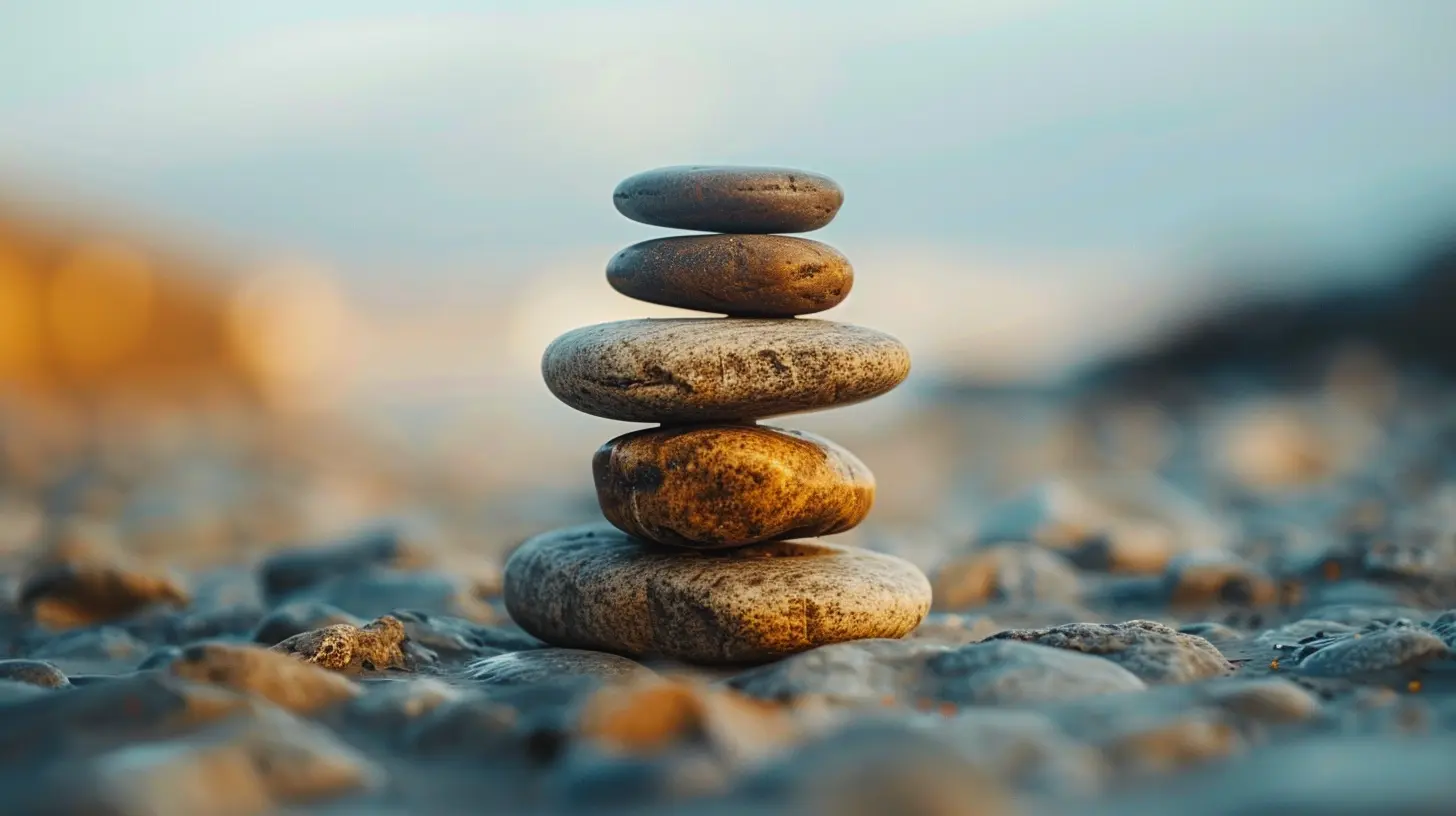
What Is Work-Life Balance, Really?
Let’s break it down:- Work is anything that demands your time and effort (your job, your side hustle, your endless Zoom meetings).
- Life is, well… everything else (family, friends, hobbies, rest, and anything that refuels your soul).
A healthy work-life balance doesn’t mean splitting your time 50/50 every day. It’s about finding a rhythm that lets you do your job well without sacrificing your health, relationships, or personal joy.
Why It Matters More Than Ever
The boundaries between work and life have gotten blurrier—thanks in part to smartphones, remote work, and our always-on culture. The result? More burnout, less satisfaction, and a whole lot of stress.Studies have shown that people with poor work-life balance are:
- More likely to experience anxiety and depression
- Less productive at work
- More prone to health issues like insomnia, high blood pressure, and even heart disease
Bottom line? If you’re feeling like life is all work and no play—you’re not being weak. You’re being human.
The Science Behind the Balance
Now let’s talk neuroscience, hormones, and what’s actually going on inside your brain and body when you’re out of balance.1. The Cortisol Conundrum
Ever heard of cortisol? It’s your stress hormone. It kicks in when you're overwhelmed, helping you power through short-term challenges. But when you’re constantly stressed (as in, working 12-hour days without a break), your cortisol levels stay elevated. That’s bad news.Chronic cortisol overload leads to:
- Weakened immune function
- Fatigue and brain fog
- Mood swings
- Burnout
2. Dopamine and Your Brain’s Reward System
When you take time to relax, laugh with friends, or win a game of Mario Kart, your brain releases dopamine—the “feel-good” hormone. Dopamine helps you stay motivated, creative, and focused.Too much work and too little joy? That means lower dopamine levels... and lower happiness.
3. The Circadian Rhythm Disruption
Work-life imbalance messes with your natural sleep cycle. Late-night emails, glowing screens, and overthinking don’t just keep you up—they mess with your circadian rhythm. Poor sleep then spirals into poor health, poor focus, and, yep… poor performance.
How Work-Life Balance Boosts Your Career
Contrary to the “hustle culture” myth, working non-stop doesn’t get you ahead. Balance actually makes you better at your job.Here’s how:
1. You’re More Productive
Ever noticed how you get more done after a vacation? That’s because rest resets your brain. When you give yourself downtime, you come back sharper, quicker, and more creative.2. You Build Resilience
Balanced people handle stress better. They bounce back quicker after setbacks, because they’ve got stronger emotional foundations outside of work.3. You Avoid Burnout
Burnout doesn’t just feel awful—it costs companies billions in lost productivity. When you protect your mental health, you're not only doing yourself a favor—you’re being a better employee, boss, or business owner.
Common Myths About Work-Life Balance Debunked
Let’s bust some of the biggest lies you’ve probably heard about balance.❌ “If you love your job, you don’t need balance.”
Wrong. Loving your work is great—but even passion won’t save you from the wear and tear of overworking. You still need rest.❌ “Balance means working less.”
Nope. It’s not about working less—it’s about working smart. When you manage your energy, not just your time, you actually get better results.❌ “You can only have balance if you work 9 to 5.”
Guess what? Balance is subjective. A freelancer working 7p–3a can be more balanced than a corporate 9-to-5er. The real question is: Does your schedule support your life, your health, and your happiness?How to Create a Work-Life Balance That Actually Works
Now that we know why it matters, let’s talk about how to design a balanced life that fits you. Spoiler: there’s no one-size-fits-all blueprint. But there are some powerful strategies you can use.1. Set Realistic Boundaries (And Stick to Them)
Boundaries are your besties. Without them, work easily seeps into every corner of your life.Try this:
- Set a “shutdown” time each night (and honor it)
- Turn off email notifications after hours
- Let your team or clients know when you're unavailable—and stick to it
2. Time-Block Like a Boss
Time-blocking is a game-changer. Plan your day in blocks (deep work, emails, lunch, exercise, family time) and guard those blocks like your favorite coffee mug.You’d be surprised how much smoother your day flows when your calendar isn’t chaos.
3. Schedule Life First
Sounds backwards, right? But here’s the kicker—when you lock in your life plans (gym, date night, reading time) first, you’re more intentional with your work time.Don’t let life get your leftovers.
4. Say No Without Guilt
Saying yes to everything is fast-track burnout. Learn to say no gracefully—but firmly. Remember, every “yes” to something is a “no” to something else.Choose wisely.
5. Take Micro-Breaks During the Day
You don’t need a week in Bali to rest. Just a few minutes of stepping away from your screen, stretching, or doing deep breathing can reboot your brain.Try the Pomodoro Technique—work 25 minutes, then break 5. Rinse and repeat. Your focus will thank you.
6. Redefine What “Success” Means
If your definition of success = being busy 24/7, it’s time for a reframe. True success means feeling fulfilled in your work and your life. Not just checking boxes, but enjoying the journey.Make sure your version of success includes peace, freedom, and joy.
Work-Life Balance for Remote Workers & Entrepreneurs
Balance is even trickier when your home is your office—or when you’re your own boss. But it’s far from impossible.Here’s what helps:
- Create a dedicated workspace (no more working from bed)
- Set “office hours” and don’t go beyond them
- Batch similar tasks together to avoid context-switching
- Use tech tools to automate and delegate
And seriously—wear real clothes at least a few times a week. Your brain needs the signal that it’s work time, not nap time.
What Companies Can Do to Support Balance
Work-life balance isn’t just an individual responsibility—it’s a culture thing, too. Businesses that promote balance see:- Higher retention
- Less employee absenteeism
- More creative, resilient teams
Employers, listen up:
- Normalize unplugging after hours
- Offer mental health days without guilt
- Encourage vacation time without side-eye
- Be flexible with schedules and remote options
When people feel supported, they don’t just work harder—they work happier.
Final Thoughts: Balance Is a Practice, Not a Destination
Let’s get real: You’re not going to “perfect” work-life balance overnight. Some days will feel aligned, others? Total chaos. And that’s okay.The key is to keep checking in with yourself:
- Am I working too much?
- Am I ignoring my health or relationships?
- What small change can I make today?
Remember, balance isn’t about being perfect. It’s about being present—for your work, your life, and everything in between.
You’ve got this.
all images in this post were generated using AI tools
Category:
Work Life BalanceAuthor:

Amara Acevedo
Discussion
rate this article
1 comments
Rosalyn Daniels
Great insights on achieving work-life balance! It's refreshing to see the science behind it. Simple yet effective tips can truly make a difference in our daily lives. Looking forward to trying out some strategies to create a healthier routine... Thanks for sharing!
July 3, 2026 at 11:08 AM
Amara Acevedo
Thank you for your kind words! I'm glad you found the insights helpful. Wishing you all the best as you implement the strategies for a healthier routine.