The Rise of Pop-Up Shops: Opportunities for Retailers
17 March 2026
Retail is evolving—and fast. The rules are changing, and if you're still playing by the old playbook, you're gonna get left behind. So let’s talk about pop-up shops, the scrappy underdog of the retail world that’s quickly stealing the spotlight. These aren’t just a trend; they’re a seismic shift in how products get into the hands (and hearts) of customers.
From indie fashion labels to major global brands, everyone’s jumping on the pop-up bandwagon... and for good reason. Why? Because pop-ups punch way above their weight—they’re lean, they’re flexible, and most of all, they work.
In this deep dive, we’ll unpack everything you need to know about the meteoric rise of pop-up shops and how they’re opening up fresh, lucrative opportunities for retailers of all sizes. Ready to shake things up?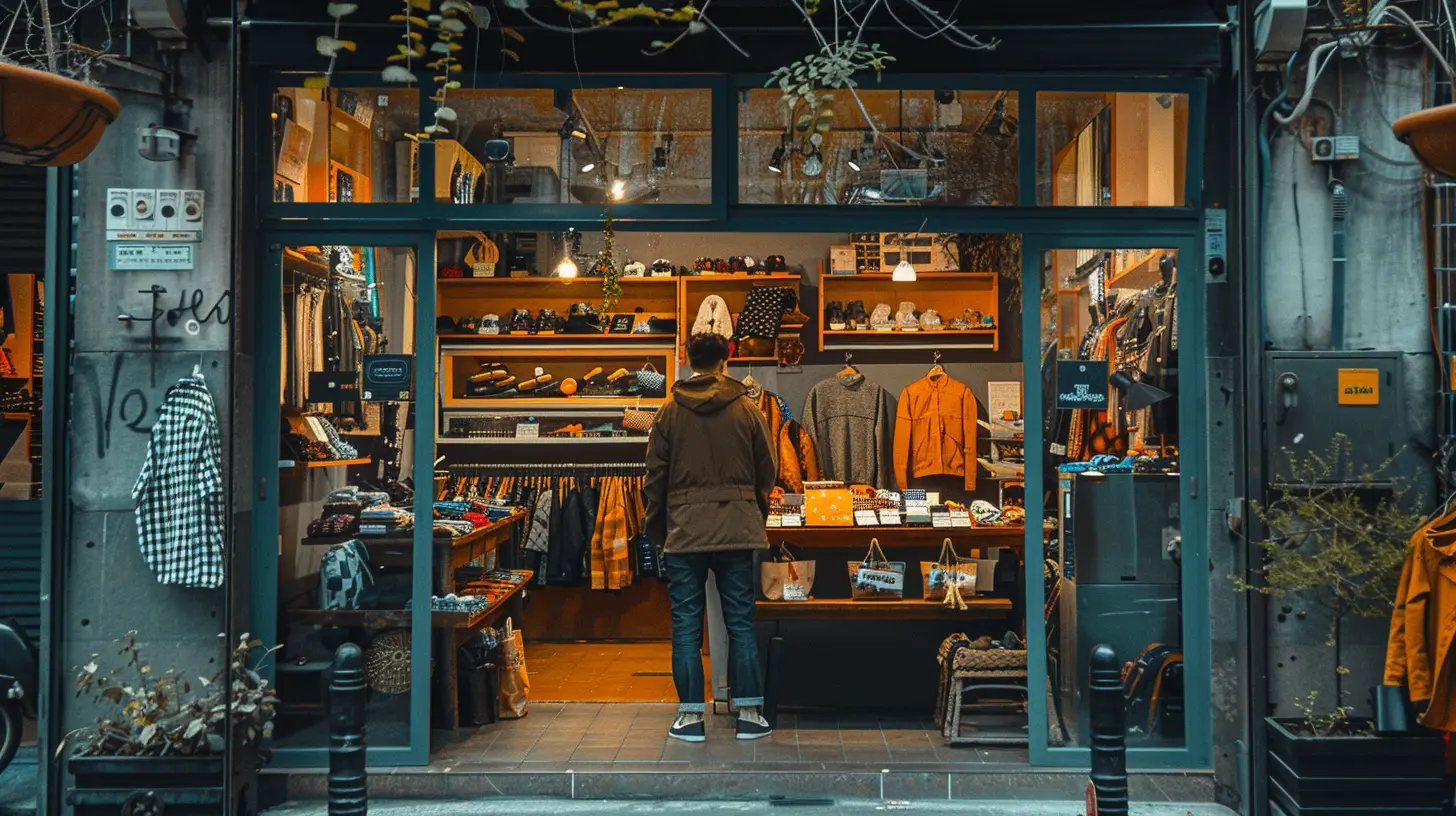
What is a Pop-Up Shop, Anyway?
Let’s keep it simple. A pop-up shop is a temporary retail space. It could last a few days, a few weeks, or maybe a couple of months. Think of it as the “limited series” of brick-and-mortar retail—here today, gone tomorrow, and that’s exactly what makes it so powerful.Unlike traditional retail stores, pop-up shops don’t need long-term leases, expensive build-outs, or huge inventories. They’re agile, they’re buzzworthy, and they allow brands to meet their customers where they are—literally.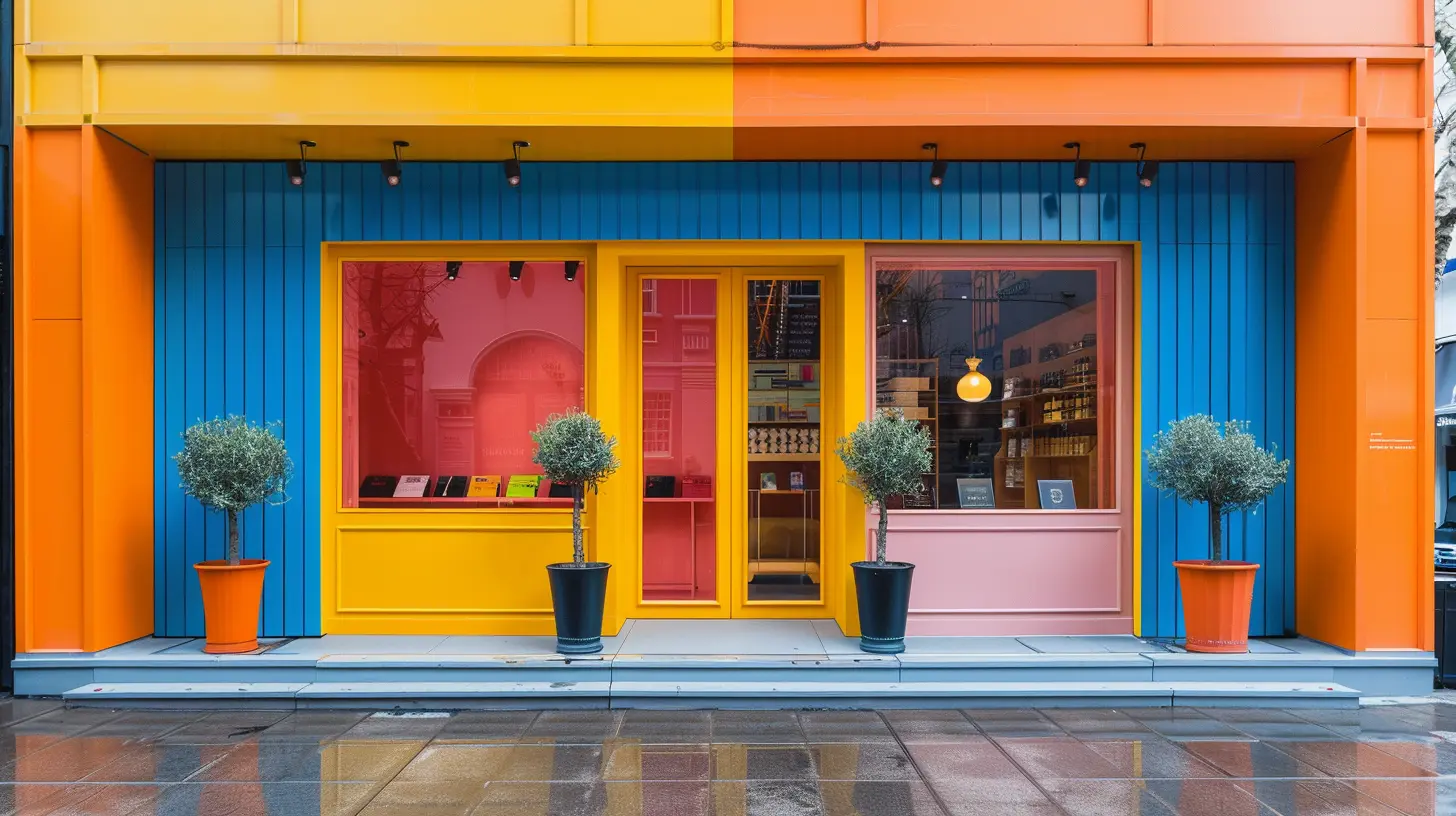
Why Are Pop-Up Shops Trending Like Crazy?
There’s a cocktail of reasons why pop-up shops are blowing up right now. Let’s break down the big ones:1. Post-Pandemic Retail Reboot
Retail got sucker-punched by the pandemic—no sugarcoating that. But pop-up shops? They’ve emerged as a kind of retail phoenix, rising from the ashes with a smarter, low-risk model. Brands are now cautious about signing 5-year leases with unpredictable foot traffic.Enter the pop-up. It’s flexible, fast, and perfect for testing new markets without betting the farm.
2. Experience Over Everything
We live in the age of Instagram and TikTok. People don’t just want to shop—they want an experience. Pop-ups cater to that hunger beautifully. They create shareable moments, unique environments, and a sense of urgency: “It’s only here this weekend!”It’s FOMO marketing at its finest.
3. DTC Brands Going Physical
Direct-to-consumer brands are crushing it online, but even they know that physical experiences drive deeper connections. Think of pop-ups as the love child of e-commerce and traditional retail. It’s tactile, but nimble. Personal, but scalable.Plus, it gives online-first brands a chance to connect with customers IRL and gather valuable insights.
4. Low Overhead, High Return
Let’s be real—retail space ain’t cheap. But pop-ups bypass a lot of the traditional costs. You can set up shop in vacant malls, kiosks, food trucks, galleries—even shipping containers.Less investment. Faster ROI. What’s not to love?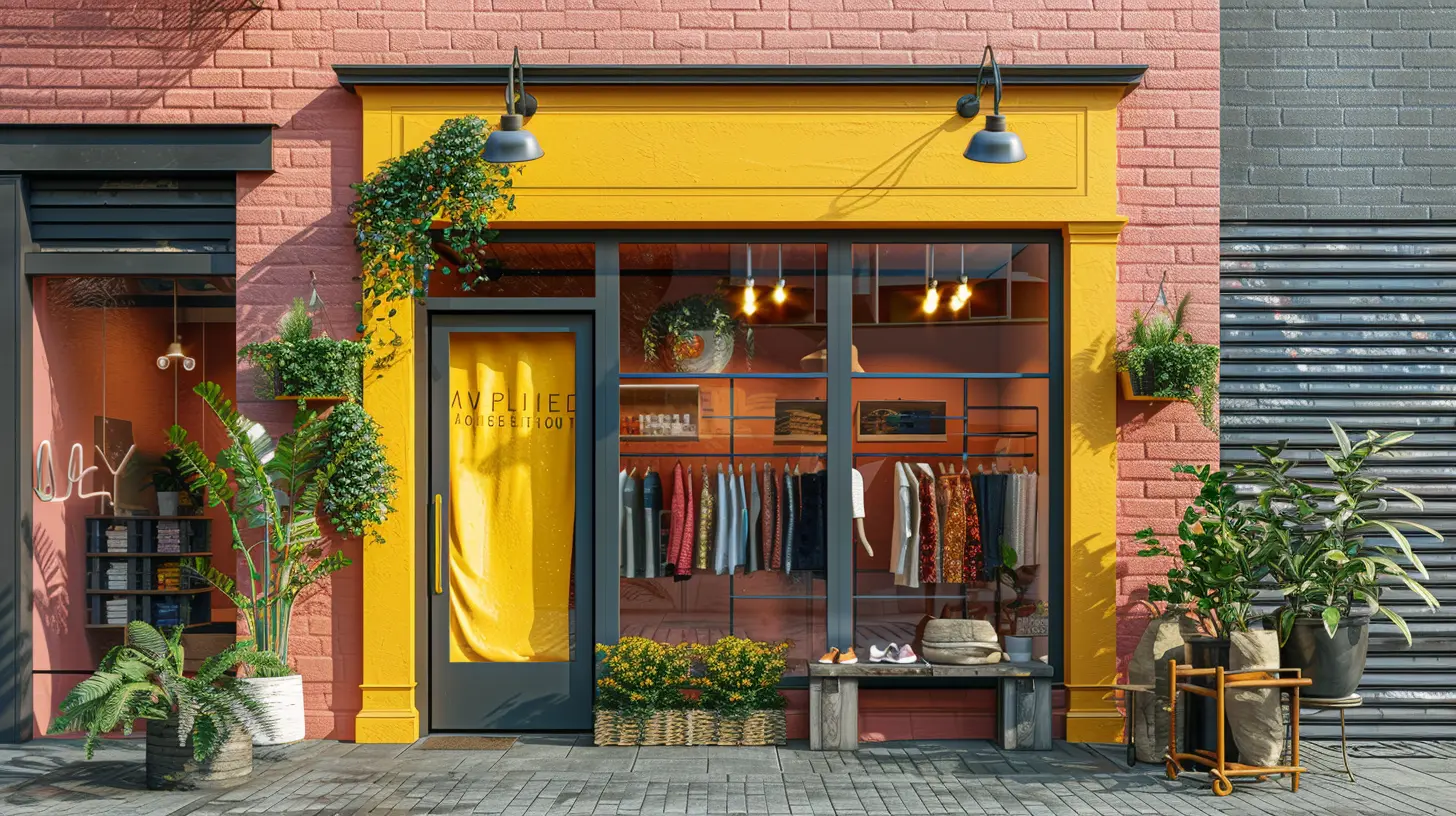
The Power Moves: Why Retailers Should Pay Attention
Still on the fence about whether pop-up shops are worth the hype? Let’s break down some serious opportunities they offer:1. Test and Learn—In Real Time
Pop-ups are like a retail laboratory. You can:- Test new products
- Try different store layouts
- Gauge pricing strategies
- Measure customer reactions
Best part? You get instant feedback. There’s zero guesswork. It’s like having a crystal ball for your business decisions.
2. Build Brand Buzz
Nothing screams exclusivity like a time-limited, “here-today-gone-tomorrow” store. Pop-ups are marketing goldmines. They stir up intrigue, get people talking, and have a built-in scarcity factor that drives foot traffic.Want to go viral? A well-executed pop-up can do in a few days what a digital campaign might take months to achieve.
3. Location Flexibility = Strategic Advantage
Want to set up shop in SoHo one weekend, then Venice Beach the next? Pop-ups give you that freedom. You’re not chained to one location. You can chase the traffic, follow the festivals, or hit seasonal hotspots.It’s like being a retail nomad—with a mission.
4. Drive Online Sales
Here’s the juicy bit: a physical pop-up can boost your online game. Yep. Customers who interact with your brand in person are more likely to buy online later. It builds trust, loyalty, and brand recall.It’s omnichannel marketing done right.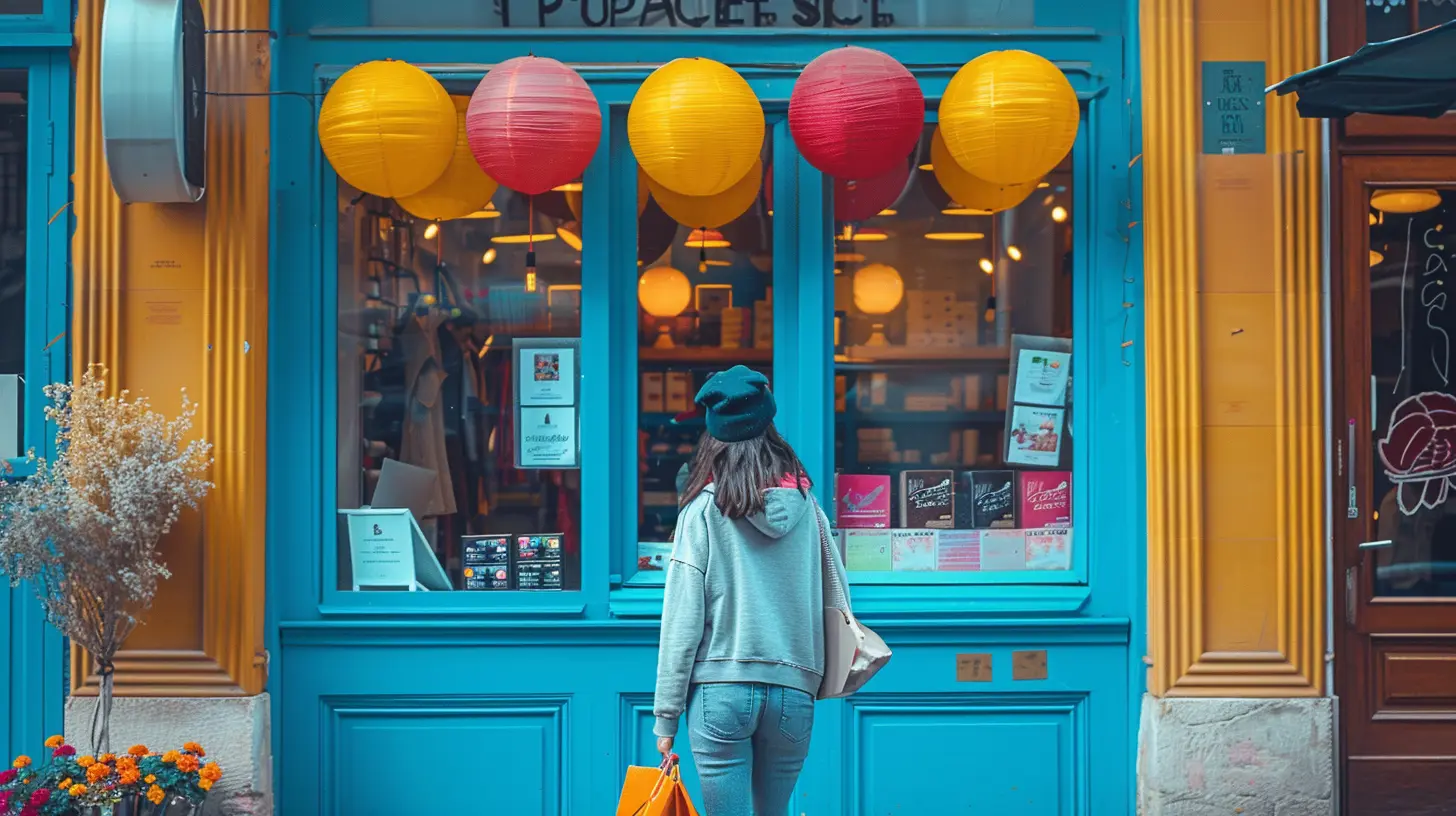
Who’s Crushing It with Pop-Up Shops?
Let’s name-drop for a second. Big players and small disruptors alike are seeing wicked success with pop-ups.- Glossier built a cult following with experiential pop-ups in major US cities.
- Nike uses them to launch exclusive drops and test local markets.
- Amazon (yes, even the e-commerce giant) has dabbled in pop-ups to showcase tech and services.
- Indie food brands and local artisans use weekend markets as rotating pop-up venues—perfect for bootstrapped beginnings.
So whether you’re a billion-dollar heavyweight or a side-hustling dreamer, there’s room on this ride for you.
How to Launch a Killer Pop-Up Shop: The Blueprint
Okay, so you’re sold on the idea. Now what?Here’s the lowdown on how to make your pop-up a success:
1. Define Your Purpose
Are you launching a new product? Testing a market? Building hype? Your mission determines everything from layout to location.2. Pick the Right Spot
Foot traffic matters. So does vibe. Look for spaces that align with your brand. Urban streets, art galleries, event venues—get creative.Bonus points if the space already has a built-in audience.
3. Design for Experience
You don't need a million-dollar buildout, but your space should feel intentional. Think Instagram walls, smart lighting, interactive displays.Make them stop. Make them look. Make them reach for their phones.
4. Promote Like Crazy
Use every channel: social media, influencer partnerships, email blasts, and local PR. Build anticipation before the doors even open.Remember—it’s not just about the people who show up. It’s about the ripple effect they create.
5. Measure Everything
Sales are great, but also track metrics like:- Foot traffic
- Dwell time
- Social mentions
- Email signups
- QR code scans
This data is straight-up gold for future campaigns.
Niche Ideas and Trends to Watch
Where are pop-ups headed next? Keep your eyes peeled for these trends shaking things up:🛍️ Mobile Pop-Ups
Think fashion boutiques on wheels—literally. Vans, buses, and trailers transformed into stylish mini-stores.🏖️ Seasonal Pop-Ups
Summer beach gear in July. Cozy winter wear in December. High-impact, short-duration shops that catch people in the moment.🏡 Home-Based Pop-Ups
Yep, hosting micro pop-ups in homes or apartments. Invite-only, intimate, and hella cool.🤝 Collab Culture
Two (or three) brands team up for a themed store. Shared costs, more buzz, and crossover appeal.The Takeaway: Pop-Ups Are the New Retail Power Move
Let’s be blunt: pop-up shops are no longer just a novelty. They’ve evolved into a serious business strategy. For retailers, they offer a chance to stay nimble, minimize risk, and skyrocket brand exposure in unforgettable ways.Are they gonna replace traditional retail altogether? Nah. But they’ll keep carving a bigger slice of the pie—and if you’re not at the table, you’re probably on the menu.
So go ahead. Dream boldly. Strategize smartly. Show up where people least expect you—but most want you.
Because in the fast-changing world of retail, being temporary might just be your biggest permanent advantage.
all images in this post were generated using AI tools
Category:
RetailAuthor:

Amara Acevedo
Discussion
rate this article
2 comments
Sonya McClary
Pop-up shops offer retailers a unique chance to engage customers and test markets without long-term commitments. A smart strategy!
April 16, 2026 at 10:35 AM
Amara Acevedo
Thank you! I'm glad you see the potential in pop-up shops as a flexible way for retailers to connect with customers and explore new markets.
Mae McWhorter
Pop-up shops offer innovative ways for retailers to engage customers, test markets, and create memorable shopping experiences. A smart trend!
March 21, 2026 at 4:01 AM
Amara Acevedo
Thank you for your insight! I completely agree—pop-up shops are a fantastic way for retailers to connect with customers and innovate their offerings.