The Psychology Behind Effective Branding
6 December 2025
Branding is everywhere. From the swoosh on your sneakers to the golden arches that make your stomach rumble—brands are deeply ingrained in our lives. But what makes some brands stick in our minds while others fade away? That’s not by accident, my friend. It’s psychology. Yes, the clever manipulation of how our brains work is behind the most successful branding strategies.
You may think branding is just about a cool logo or a catchy tagline, but it goes way deeper than that. It’s about emotion, perception, and connection. Let’s dig into the psychology behind effective branding and see what really makes a brand resonate with people. Ready? Let’s go!
What Is Branding, Really?
Before we dive into all the fun psychology stuff, let’s get one thing straight. Branding isn’t just about logos, colors, or fonts. Sure, those are parts of it. But branding is the sum of how people perceive your business or product. It’s the personality of your business.Think of it like this: Branding is how people feel about you when you’re not in the room. Are they loyal to you? Do they trust you? Do they feel good about engaging with your business? That’s the heart of branding.
Why Does Branding Tap Into Psychology?
Humans are emotional beings. We make decisions based on feelings way more often than we’d like to admit. Even purchases we think are "logic-based" are usually influenced by our emotions. That’s why branding that taps into psychology is so effective—it bypasses the logical part of our brain and speaks directly to our hearts.Now, while humans are emotional, we’re also creatures of habit. We like familiarity, consistency, and patterns. That’s why a strong brand feels recognizable and predictable—almost like an old friend you can count on. When a brand nails this, it becomes more than just a business. It becomes part of your life.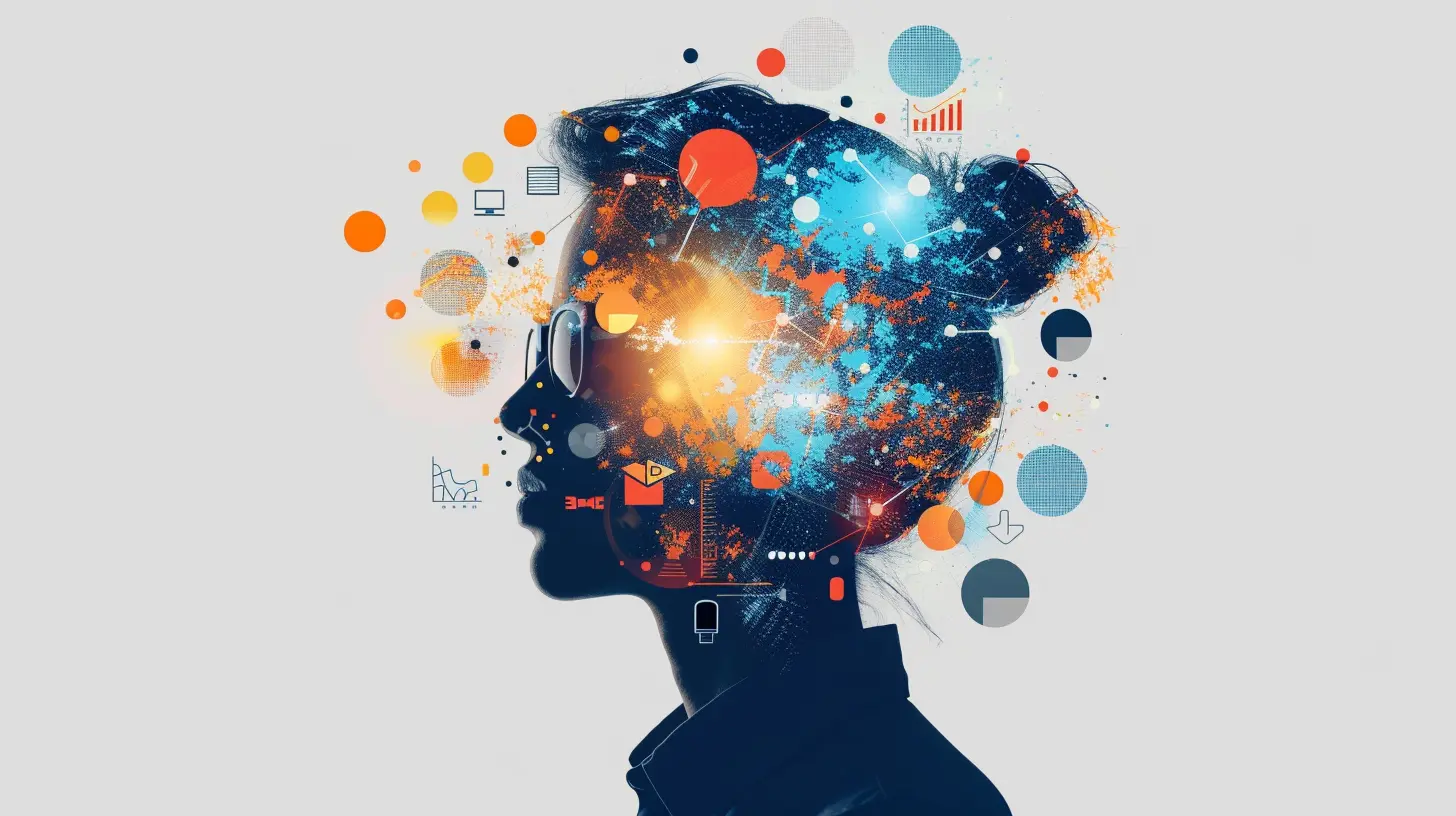
The Components of Effective Branding Psychology
So, what makes some brands so darn effective? It boils down to a mix of psychology and strategy. Let’s break it down:1. Emotional Connection
At the core of every successful brand is an emotional connection. Think of Apple, Nike, or Coca-Cola. They don’t just sell products—they sell feelings. That’s why when you buy a MacBook, it’s not just a laptop, it’s a statement.But how do brands create this connection? By understanding their audience’s desires, fears, and aspirations. For example:
- Apple: Creativity and innovation.
- Nike: Empowerment and overcoming limits.
- Coca-Cola: Happiness and nostalgia.
When brands reflect what people aspire to be or feel, they build unshakable loyalty.
2. The Power of Colors
Think colors don’t matter? Think again. Colors are a psychological powerhouse in branding. They affect mood, perceptions, and even purchasing behavior. This isn’t guesswork—it’s science.For example:
- Red: Energy, urgency, and passion. That’s why brands like Coca-Cola and Netflix use it.
- Blue: Trust, calm, and dependability. Think about Facebook, LinkedIn, or Twitter.
- Yellow: Optimism and friendliness, like McDonald's “I’m lovin’ it” vibe.
It’s no coincidence that successful brands carefully choose their color palette. They’re speaking to your subconscious mind.
3. Consistency Builds Trust
Ever notice how every Starbucks you go to feels the same no matter where you are? That’s consistency at its finest. Branding is not just about creating a great impression—it’s about maintaining that impression over time.Consistency builds trust because it tells people, “You can count on us.” Whether it’s the tone of voice in emails or the packaging of their products, brands that are consistent feel reliable.
Psychologically, this aligns with the mere exposure effect—the idea that the more you see something, the more you like it. When people repeatedly see the same message, tone, and style, it reinforces their connection to the brand.
4. Storytelling: Hook, Line, and Sinker
Humans love stories. We’ve been telling them since the beginning of time. A good story sticks with you, doesn’t it? Brands use storytelling to carve out a place in your memory and make you feel something.For example, Dove’s “Real Beauty” campaign tells a story about challenging beauty standards and embracing self-love. It’s not just about selling soap—it’s about creating a movement people want to be part of. That’s the magic of storytelling in branding.
An effective brand story answers three key questions:
- Who are you?
- What do you stand for?
- Why should anyone care?
5. The Role of Social Proof
Ever noticed how you’re more likely to trust a brand when someone you know recommends it? That’s social proof—one of the most persuasive psychological triggers in branding. People trust other people's experiences more than a company’s sales pitch.Brands capitalize on this with strategies like testimonials, influencer collaborations, and customer reviews. When others endorse a brand, it builds credibility and reduces skepticism.
6. Scarcity and FOMO
Let’s be real for a second: Nobody wants to miss out. That’s why the Fear of Missing Out (FOMO) is such a powerful tool in branding. Limited-time offers, exclusive releases, and countdown timers? Classic FOMO tactics.Psychologically, scarcity creates urgency. When something is rare or limited, it becomes more desirable. Brands like Supreme have mastered this by releasing limited-edition products that sell out in seconds.
7. The Role of Symbols and Logos
A picture is worth a thousand words—and a logo is worth even more. Logos and symbols trigger instant recognition. Think of the Nike swoosh or McDonald's golden arches. These symbols are so ingrained in our culture that they don’t even need words.Psychologically, logos act as mental shortcuts that help people quickly identify and connect with a brand. This is why simplicity is key—complicated designs don’t stick.
8. Personality Matters
Ever feel like a brand has a “vibe”? That’s its personality. Whether it’s playful (hello, Old Spice) or sophisticated (looking at you, Tesla), a brand’s personality helps it stand out.A strong brand personality aligns with its target audience. Think about it—if you’re selling premium wine, your tone is likely going to be elegant and refined. On the other hand, if you’re selling skateboards, you’ll want a tone that’s fun and edgy.
Adding personality into branding makes it relatable. And when people can relate to a brand, they’re much more likely to stick around.
The Science of Loyalty: Why We Keep Coming Back
Ever wonder why some people will only use a certain brand? It’s not rational—it’s emotional. Strong branding creates loyal customers through repeated positive experiences.This ties back to the psychological phenomenon known as the halo effect. When we have a favorable impression of one thing about a brand, it colors our entire perception of it. For instance, if you love Apple’s design, you’re more likely to believe their products are better overall—even if some competitor specs are better on paper.
Loyalty also comes from belonging. People don’t just buy products—they join communities. Think about Harley-Davidson riders. They’re not just buying motorcycles; they’re joining an identity, a tribe. That’s the kind of loyalty psychology can create.
Mistakes That Break the Branding Spell
You know what’s just as important as nailing your branding? Avoiding mistakes that break the spell. Here’s what to watch out for:- Inconsistency: Mixed messages confuse people and erode trust.
- Overcomplication: Simple is always better. Don’t clutter your branding with too many elements.
- Ignoring Feedback: Customers know what they want—listen to them.
Once trust is broken, rebuilding it is a steep uphill battle. Stay thoughtful and true to your brand’s core.
Wrapping It Up: The Key to Effective Branding
So, there you have it—the psychology behind effective branding is rooted in emotional connections, consistency, and understanding human behavior. It’s not just about getting your logo out there or running ads. It’s about creating a feeling, an experience, and a relationship with your audience.Think of your brand as a living entity. It has a personality, a voice, and a story. When you tap into the psychology of how people think and feel, you can build a brand that doesn’t just sell—it sticks.
And remember, branding isn’t a one-and-done task. It’s an ongoing process of learning, adapting, and connecting. So, what kind of emotions and values will your brand embody? That’s the million-dollar question.
all images in this post were generated using AI tools
Category:
BrandingAuthor:

Amara Acevedo
Discussion
rate this article
2 comments
Jocelyn Dillon
Ever wondered what truly binds a consumer to a brand? Dive into the unseen forces at play, where emotions intertwine with perceptions, crafting loyalty that transcends logic. Explore the hidden psychology that shapes powerful, unforgettable branding narratives.
December 14, 2025 at 1:59 PM
Amara Acevedo
Thank you for your insightful comment! Indeed, understanding the emotional and psychological connections consumers have with brands is crucial in crafting effective and lasting brand narratives.
Lara McClary
Great insights! Understanding the psychology of branding can truly transform your approach. Remember, every brand has a personality—let yours shine and connect with your audience! Keep it up!
December 6, 2025 at 3:43 AM
Amara Acevedo
Thank you! I appreciate your kind words and completely agree—branding is all about personality and connection.