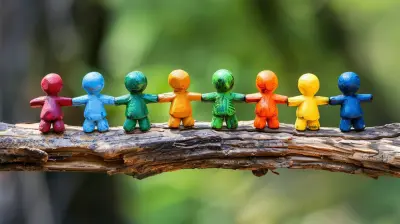
The Power of Gratitude in Leadership: Why It Matters
27 January 2026
In today’s fast-paced and ever-evolving business world, leadership isn’t just about making decisions, delivering results, or hitting KPIs. Sure, those are important, but here’s the thing: great leadership goes beyond the spreadsheets and strategy meetings. It’s about people. And one of the most underrated yet incredibly powerful tools in a leader’s arsenal? Gratitude.
Now, before you roll your eyes and chalk this up to another feel-good concept, hear me out. Gratitude isn’t just fluff—it’s a game-changer. When it comes to leading teams, fostering trust, and driving results, a little “thank you” can go a long, long way. Let’s dive into why gratitude deserves a permanent spot in your leadership toolkit.
What Is Gratitude in Leadership?
At its core, gratitude in leadership is pretty simple. It’s about recognizing and appreciating the efforts, contributions, and presence of the people you lead. It’s taking a moment to say, “Hey, I see you. I value what you’re doing.” And here’s the kicker—it’s not just about saying it. It’s about genuinely meaning it.Gratitude doesn’t have to be grandiose. It can be as small as a quick shoutout in a meeting or a handwritten note. It’s less about the size of the gesture and more about its authenticity. People can tell when you’re faking it. But when your appreciation comes from a genuine place? That’s when the magic happens.
Why Gratitude Matters in Leadership
You might be wondering, “Why should I bother? Aren’t people just doing their jobs?” Fair question. But here’s the deal: people don’t just work for paychecks. They work for purpose, recognition, and connection. Gratitude checks all those boxes. Let me break it down for you.1. It Boosts Morale
Imagine you’re working hard on a project, putting in extra hours, going above and beyond. And then… nothing. No acknowledgment. No appreciation. Feels pretty lousy, right?Now flip the script. Imagine your boss gives you a heartfelt thanks for your effort or highlights your contribution in front of the team. Feels amazing, doesn’t it? That’s the power of gratitude. It energizes people, uplifts their spirits, and makes them feel seen. And let’s be real—happy employees are productive employees.
2. It Builds Stronger Relationships
Leadership isn’t just about authority; it’s about connection. Gratitude is like the glue that strengthens those connections. When you show appreciation, you’re essentially saying, “I value you as a person, not just as a worker.” And that builds trust—a cornerstone of any successful relationship, professional or otherwise.Think of it this way: Gratitude is like watering a plant. The more you do it, the stronger and healthier the relationship becomes. Neglect it, and, well… you know what happens to plants you don’t water.
3. It Encourages a Positive Work Culture
Ever walked into an office that feels, for lack of a better term, toxic? Negativity can spread like wildfire and tank a team’s morale faster than you can say “deadline.” Gratitude, on the other hand, is contagious in the best way possible. When leaders model gratitude, it trickles down to the rest of the team. Over time, it creates a culture where people feel valued, supported, and motivated to give their best.4. It Reduces Stress
Let’s face it—work can be stressful. Deadlines, deliverables, meetings that should’ve been emails… it can take a toll. But here’s the thing: gratitude acts like a buffer against stress. When leaders take the time to acknowledge achievements or even just check in with their team, it fosters a sense of calm and reassurance. It’s like a reminder that, “Hey, we’re in this together.”
The Science of Gratitude: Why It Actually Works
If you’re still skeptical, let’s talk science. Gratitude isn’t just a feel-good trend; it’s backed by research. Studies have shown that practicing gratitude can improve mental health, reduce stress, and even boost immune function. Crazy, right?In a workplace context, employees who feel appreciated are more engaged, more loyal, and less likely to burn out. They’re also more likely to go the extra mile. Why? Because gratitude taps into our basic human need for recognition and belonging. When people feel valued, they naturally want to reciprocate—and that leads to better performance and stronger teams.
Simple Ways to Practice Gratitude as a Leader
By now, you’re probably thinking, “Okay, I get it. Gratitude is important. But how do I actually do it?” Don’t worry—it’s not rocket science. Here are some practical and easy ways to incorporate gratitude into your leadership style:1. Say “Thank You” (and Mean It)
This one’s obvious, but it’s worth repeating. Never underestimate the power of a sincere “thank you.” Be specific, though. Instead of a generic “Good job,” try something like, “Thank you for staying late last night to finish that report. Your dedication really makes a difference.”2. Celebrate Wins—Big and Small
Did your team crush a big project? Awesome—throw a mini celebration. Did an individual hit a personal milestone? Acknowledge it. Sometimes, it’s the little things that make the biggest impact.3. Write Personalized Notes
There’s something incredibly meaningful about a handwritten note. It shows that you took the time to think about the person and their contributions. It’s old-school, sure, but that’s what makes it stand out.4. Recognize People Publicly
Whether it’s a shoutout during a team meeting or a post on your company’s internal platform, public recognition can go a long way. It boosts the individual’s confidence and inspires others to step up their game.5. Make Gratitude a Habit
Gratitude isn’t a one-and-done thing. It’s a habit—one that you need to practice regularly. Consider starting team meetings with a round of shoutouts or keeping a gratitude journal where you jot down things you appreciate about your team.Overcoming Barriers to Gratitude
Let’s keep it real for a second. Practicing gratitude isn’t always easy, especially when you’re swamped with deadlines or dealing with difficult situations. But here’s the thing: gratitude isn’t about glossing over challenges or pretending everything’s perfect. It’s about finding those moments of light, even in tough times.If you’re struggling to get started, try this: Take five minutes at the end of each day to reflect on what went well and who contributed to it. You’ll be amazed at how quickly it shifts your mindset.
Gratitude as a Competitive Advantage
Here’s a fun fact: Gratitude isn’t just good for people—it’s good for business. Companies with leaders who prioritize appreciation tend to have lower turnover, higher employee satisfaction, and better overall performance. In other words, gratitude isn’t just the right thing to do; it’s the smart thing to do.Think of gratitude as your secret weapon. While other leaders might focus solely on metrics and processes, you’re building a loyal, engaged team that’s ready to go the extra mile. And in a competitive market, that’s a huge advantage.
Final Thoughts: Gratitude Is Leadership’s Superpower
At the end of the day, leadership is about more than just managing tasks or driving results. It’s about people. And gratitude is one of the simplest yet most profound ways to show your team that you care.So, next time you’re in a meeting or walking past a colleague’s desk, take a moment. Say thank you. Recognize the effort. Show some appreciation. It might seem small, but trust me—those little moments can lead to big outcomes.
Because here’s the truth: Leadership without gratitude is like a ship without a compass. It might move forward, but it won’t inspire. And inspiring others? That’s what makes a leader truly great.
all images in this post were generated using AI tools
Category:
LeadershipAuthor:

Amara Acevedo
Discussion
rate this article
2 comments
Finley Mendoza
Gratitude transforms leadership by fostering trust and connection. When leaders express appreciation, they create a positive culture that inspires teams to thrive. Embracing gratitude not only enhances relationships but also drives success, making it an essential practice for any effective leader.
March 8, 2026 at 5:17 AM
Amara Acevedo
Absolutely, gratitude is a game changer in leadership. It builds trust and motivates teams, creating a culture where everyone can excel. Recognizing and appreciating efforts truly makes a difference.
Casey Klein
Gratitude in leadership fosters a positive culture, enhances team engagement, and builds trust. Acknowledging contributions not only motivates individuals but also creates a ripple effect of appreciation throughout the organization.
January 28, 2026 at 4:21 AM
Amara Acevedo
Thank you for highlighting the vital role gratitude plays in leadership! Acknowledging contributions truly transforms team dynamics and cultivates a thriving organizational culture.