Rethinking the 9-to-5 Mentality for a More Balanced Life
14 July 2026
Let’s be real—does the traditional 9-to-5 grind still make sense in today’s fast-paced, tech-driven world? We live in an era where we can grab our laptops and work from pretty much anywhere, yet many of us are still stuck in this rigid, outdated work schedule. Sound familiar?
The truth is, clinging to that old-school office schedule might be doing more harm than good—not only to your productivity but also to your mental health, relationships, and overall sense of purpose. It's time we challenge the status quo and reshape the way we think about work.
In this article, we’re diving deep into rethinking the 9-to-5 mentality and what it looks like to create a more balanced, fulfilling life. Ready? Let’s break it down.

The Origins of the 9-to-5 Workday
Before we toss the 9-to-5 routine in the trash, let’s understand where it came from.Back in the early 20th century, good ol’ Henry Ford standardized the 8-hour workday to increase productivity and give employees more time to rest—and it worked! It was innovative for its time, and it revolutionized the labor force.
Fast forward to today, though, and we’re living in a totally different world. Technology, remote work, and global collaboration have transformed how—and when—we get things done. So the question is, why are we still operating like it's 1926?

Why the 9-to-5 Isn’t Cutting It Anymore
Here’s the thing: shoehorning everyone into the same 8-hour block just doesn’t make sense anymore. Let’s take a closer look at why the traditional workday is falling short.1. One-Size-Fits-All = One Big Mistake
Not everyone is wired to be productive at the same time. Some people hit their groove at 6 a.m., others don’t really wake up until noon. Forcing everyone into uniform hours is like making all students wear the same size shoe—painful and impractical.2. Commutes are Dream-Killers
You know what’s not productive? Spending two hours per day stuck in traffic or packed into a train like a sardine. Remote work has proven that many jobs can be done just as effectively—if not more so—from home.3. Burnout City
Staring at a screen for 8 hours straight, five days a week, is a surefire recipe for burnout. Add in family responsibilities, side hustles, and social lives, and it’s no wonder people are exhausted, anxious, and overwhelmed.4. Productivity Isn’t Time-Based
Just because you're sitting at a desk doesn’t mean you're actually getting anything done. Ever had those days where you’re checked in but mentally checked out? Productivity should be about output, not hours.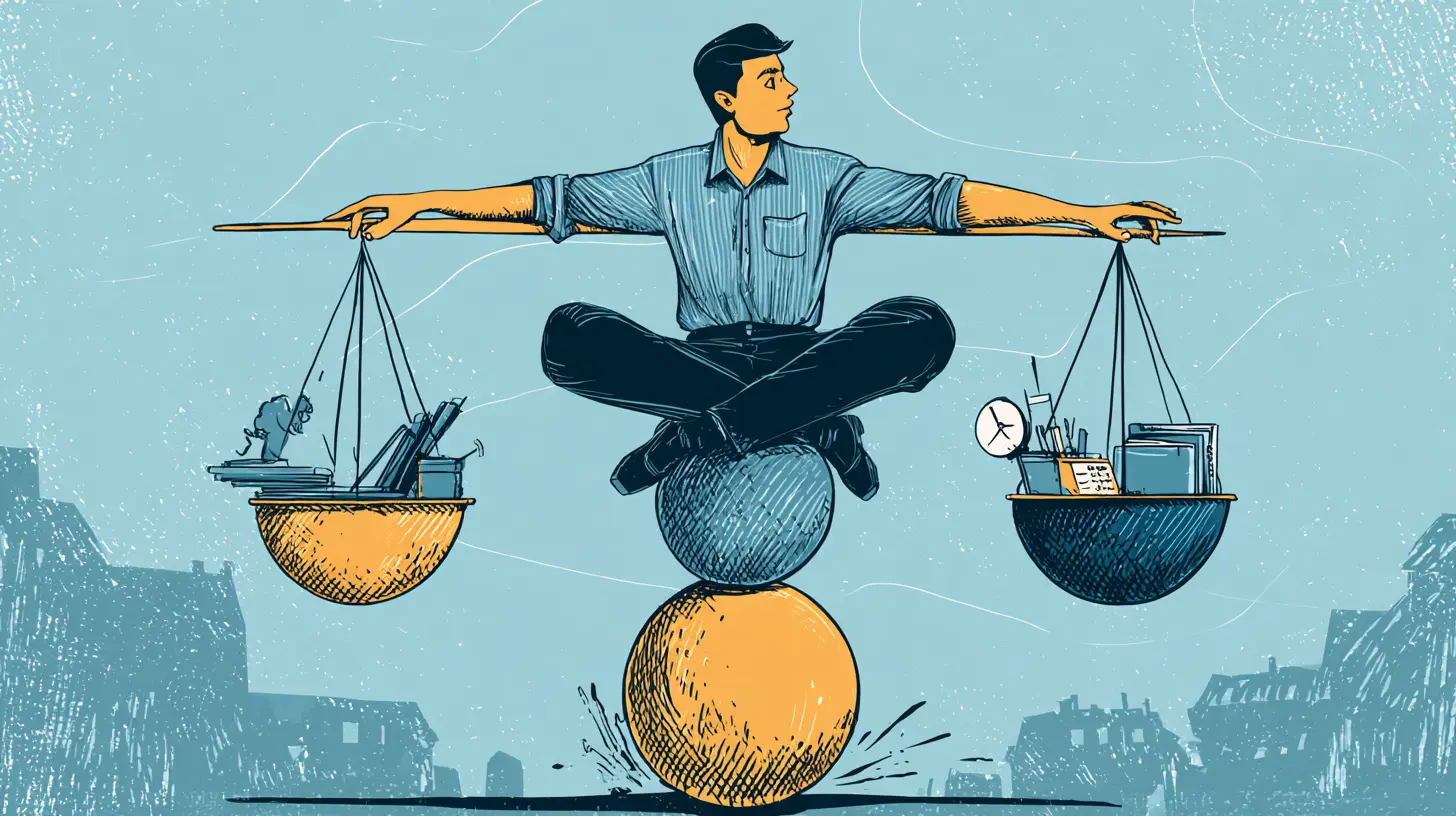
The Rise of Flexible Work Models
Thankfully, the tides are turning. More companies are experimenting with alternative work models that prioritize flexibility and balance. Here are a few that are gaining traction:? Remote Work
The pandemic forced many into remote work—and guess what? It worked. Employees proved they could be just as productive (if not more) from home, with the added bonus of skipping the commute and wearing pajama pants all day.? Flextime
Instead of everyone clocking in at 9 a.m. sharp, flextime lets employees choose when they start and finish work, as long as they get the job done. This is perfect for night owls, parents, or anyone with a unique schedule.☀️ Compressed Workweeks
Imagine working four 10-hour days and getting a three-day weekend every week. Sounds dreamy, right? That’s the reality with compressed workweeks—a growing trend that offers better work-life balance without sacrificing productivity.? Results-Only Work Environment (ROWE)
In a ROWE setup, you're judged solely on what you accomplish—not how or when you work. No micromanaging, no clock-watching, just pure results. It’s a trust-based model that truly empowers employees.
Benefits of Ditching the Traditional 9-to-5
Alright, so what’s in it for you if you break up with the 9-to-5 grind? Plenty! Let’s spell it out:✅ Increased Productivity
When people control their own schedules, they naturally work during their peak performance hours. More energy = more focus = more results.? Improved Mental Health
Having the freedom to work around your life (instead of living around your work) leads to lower stress levels, fewer sick days, and a healthier mindset overall.???? Better Work-Life Balance
Whether it’s more time with family, traveling, working out, or pursuing hobbies, a flexible schedule makes room for the stuff that really matters.? Greater Innovation
Flexible work environments tend to foster creativity and innovation. When people feel trusted and empowered, they’re more likely to think outside the box and bring fresh ideas to the table.? Access to Global Talent
From a business perspective, ditching the 9-to-5 opens the door to a global hiring pool. Why limit your talent search to one time zone?How to Shift Your Mindset (and Your Schedule)
Changing how we work starts with changing how we think. Here’s how you can begin to rethink your own relationship with the 9-to-5 model.1. Challenge Your Assumptions
Ask yourself: are you working 9-to-5 because it works for you—or because it’s what you’ve always done? Challenge the default. Maybe you’re more productive in shorter bursts or prefer working evenings.2. Talk to Your Boss
More and more companies are open to flexible arrangements. Schedule a conversation with your manager and make a proposal. Be honest about your needs and back it up with how it will benefit your work.3. Explore Alternative Opportunities
If your current job is rigid and resistant to change, consider roles or industries that support flexible work. Tech, marketing, content creation, and consulting are great places to start.4. Set Boundaries
Working flexibly doesn't mean working all the time. Set clear start and stop times to avoid burnout. Close your laptop, mute your notifications, and actually unplug.5. Track Your Productivity
If you're experimenting with new work hours, keep a log of your productivity. This will help you fine-tune your schedule and prove to others (or yourself) that a nontraditional setup can get results.
Real-Life Success Stories
Need a little inspiration? Here are a few real-world examples of people and companies that kicked the 9-to-5 to the curb—and thrived.GitLab: Remote-First from the Start
GitLab has always been fully remote, with employees spread across time zones and continents. Their secret? Clear guidelines, asynchronous communication, and trust in their team.Freelancers & Digital Nomads
Freelancers have long understood that success isn’t about hours—it’s about results. Many are living proof that flexibility and financial freedom can go hand-in-hand.Buffer: Transparency and Flexibility
The social media company Buffer is completely transparent about salaries, remote work policies, and benefits. Their flexible culture has led to higher employee satisfaction—and retention.Is a Balanced Life Really Possible?
Let’s not sugarcoat it: finding balance isn’t always easy. But it is absolutely possible. The key is designing a lifestyle where your work supports your life, not the other way around.We’ve been conditioned to think that productivity equals sitting at a desk for 8 hours. But real productivity is about making progress—not just putting in time.
So maybe it’s time to give yourself permission to rethink everything. Shake the guilt. Break the mold. Find what works for you—and thrive in it.
Final Thoughts: Your Life, Your Rules
The traditional 9-to-5 isn’t inherently bad—but it’s not the only way. And it’s definitely not the best way for everyone.We’re in a new world with new tools and new expectations. So why are we clinging to old ways of working?
You have choices. You have power. You can build a work-life rhythm that feels right for you. One that lets you show up fully, live more freely, and do more of what you love—without burning out.
Because at the end of the day, your life isn’t a spreadsheet.
It’s a story. And you get to write it.
all images in this post were generated using AI tools
Category:
Work Life BalanceAuthor:

Amara Acevedo