Remote Work and Boundaries: Making Work-Life Balance Work for You
1 August 2026
Ah, remote work. That mythical dream we all had before 2020 turned it into our everyday reality. No commute, no pants (let’s be honest), and endless access to our own fridge. It sounds fantastic—until you realize your office is now your bedroom, your kitchen table, or worse… your lap. And boundaries? What are those? If your work-life balance is currently a chaotic mess of Zoom calls, laundry baskets, and midnight Slack pings, grab a comfy chair (or stand—posture matters!)—we’re about to untangle the chaos.

The Remote Work Utopia... Kinda
Let’s be real for a second. Working from home feels like freedom. You can blast music while writing emails, wear pajama bottoms in meetings (as long as your camera angle is neck-up), and you never have to smell Dave from accounting’s tuna salad ever again.But… there's a catch. The lines between “work” and “life” get fuzzier than your webcam after a coffee spill. Suddenly, it’s 9 PM, and you’re still editing that one last slide deck because, hey, your laptop is right there. Meanwhile, your cat's judging you from the corner like, “Aren’t you off the clock?”
So how do you actually create boundaries that stick—without becoming a hermit or turning your to-do list into a never-ending scroll of despair?

Why Work-Life Boundaries Matter (Like, A LOT)
Let’s talk turkey for a second. The idea of having a job that respects your time AND lets you live your life isn’t some unreachable fantasy. It’s necessary—like coffee on a Monday or Wi-Fi during a Zoom call.Here’s what good boundaries do for you:
- Prevent burnout (because burnout is not a badge of honor, it’s a red flag)
- Boost productivity (surprise: when you’re not exhausted, you get more done!)
- Improve relationships (people actually like you more when you're not always stressed)
- Help you sleep better (9/10 sleep experts agree—emails and pillows don’t mix)
So, let’s dive into how you can make work-life balance your new superpower—cape optional.
1. Define Your "On" and "Off" Hours
Remember when work had an actual start and stop time? Yeah, let’s bring that back.If you’re working from home, it's way too easy to slide into a routine of checking emails at breakfast or finishing projects during dinner. But you wouldn’t hang out at the office until midnight, would you? (If yes, we should talk.)
Set a schedule—even if it’s flexible. Choose your work hours (say, 9–5), and stick to them like duct tape on a leaky pipe. Communicate it clearly with your team. Turn off Slack notifications after hours. Your brain needs downtime the same way your phone needs charging.
Bonus Tip:
Set alarms to signal the end of your workday. It’s like a digital office bell. When it goes off, you log off. Period.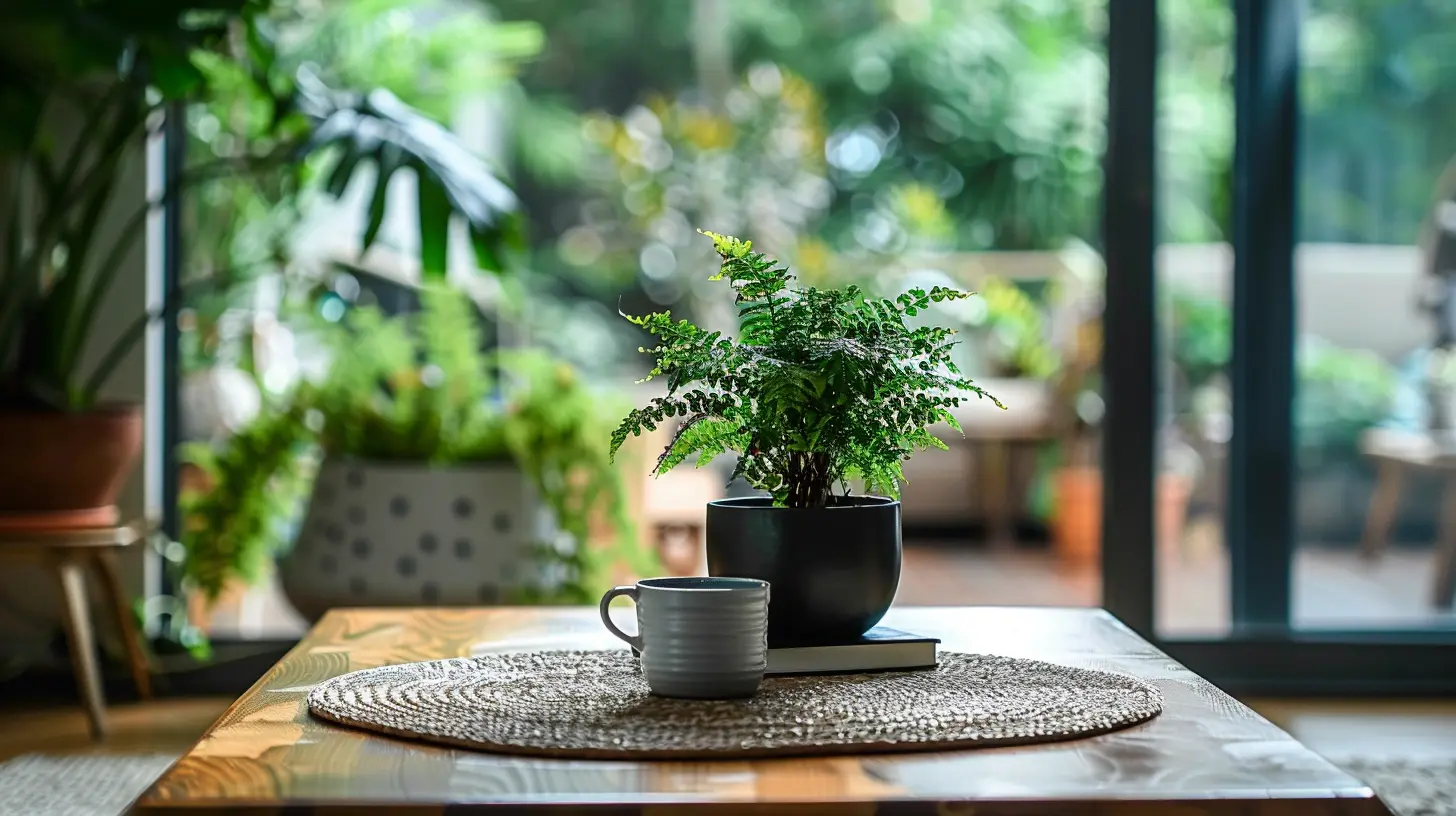
2. Create a Dedicated Workspace
Working from bed might feel cozy, but it’s also one step closer to dreaming about spreadsheets. Your brain needs physical cues to separate “work mode” from “life mode.”Set up a space that screams “I’m at work!” It doesn’t have to be fancy—a corner desk, a kitchen nook, or even a blanket fort with decent Wi-Fi will do. The key is to make it yours.
And when the workday ends? Step away, physically. Shut the laptop, close the door, walk to the other side of your apartment—even if it’s only ten feet.
Pro Tip:
If your living space is tight, do the ol’ “laptop-in-a-drawer” trick. Out of sight, out of work brain.3. Establish Clear Communication Rules
Working from home shouldn’t mean being always available. You're not a 24/7 taco truck (though that would be amazing).Set expectations with your coworkers. Let them know when you're available, and more importantly, when you're not. Create status messages. Block your calendar. Use "Do Not Disturb" like it's your new BFF.
And please, resist the urge to reply to emails at midnight just because you can. That sets the tone for others to expect it.
Fun Analogy Alert:
Think of your availability like a restaurant menu. You can’t serve breakfast all day unless you’re Denny’s, so stop offering 24/7 service.4. Take Your Breaks—Like, Seriously
Raise your hand if you’ve skipped lunch because you were “on a roll.” (Guilty.) But pushing through without breaks is like driving a car with no gas—it works until it doesn’t.Schedule breaks the same way you'd schedule meetings. Eat lunch somewhere not at your desk. Go for a walk, stretch, do some interpretive dance in your kitchen—whatever gets your blood flowing.
Breaks aren’t lazy—they’re necessary. Even your laptop needs to shut down sometimes, right?
5. Time-Block Like a Boss
Time-blocking is the Beyoncé of productivity hacks. It’s powerful, flawless, and probably wearing heels.Here’s how it works: divide your day into blocks—email, projects, meetings, lunch, etc.—and stick to each block like glue. This keeps you focused and reduces the urge to multitask (which, by the way, is just doing multiple things badly at the same time).
You’ll have more control over your day, and fewer “Oh no, it’s 4 PM and I’ve done absolutely nothing” moments.
6. Don't Let Guilt Be Your Manager
Here’s a hard truth: just because you're working remotely doesn’t mean you owe your company 24/7 access to your life.You are allowed to log off. You are allowed to say, “I’ll get to that tomorrow.” You are allowed to have a personal life. Period.
Guilt is not part of your job description. Treat your time like it’s worth something—because it is.
7. Use Tech for Boundaries, Not Just Work
Your tech tools help you work—but they can also help you not work.- Use calendar blockers to protect focus time.
- Set email autoresponders for after-hours.
- Turn on app timers that lock you out of Slack past a certain hour.
- Try focus apps like Serene or Freedom to tame the chaos.
Hack your tech to support your balance, not sabotage it.
8. Get Your Social Life Off Life Support
Working from home can be isolating. Your cat is great company, sure, but she’s terrible at office banter.Make it a point to schedule real human interaction. Coffee chats with coworkers, Zoom happy hours, IRL meetups (if safe). Your social battery needs charging too.
And don’t forget your non-work tribe. Family dinners, friend catch-ups, or just yelling “hi” to your neighbor counts. You’re a whole person, not just a productivity machine.
9. Communicate Your Needs Without Apologizing
Saying “I need a break” or “I won’t respond after 6 PM” doesn’t make you a diva—it makes you sane.We teach people how to treat us. If you’re always available, people will expect it. Set the bar where you want it, not where others might drop it.
Communicate clearly, kindly, and confidently. You’re not being difficult, you’re being healthy.
10. Remember Why You Wanted Remote Work in the First Place
More time for your family. The ability to travel. Flexibility to take care of yourself.Whatever your reason for choosing remote work, remind yourself of that often. Otherwise, the laptop becomes a leash, not a liberation.
Remote work is a gift—but it’s up to you to unwrap it properly.
When Work-Life Balance Actually Works
Here’s the magic sauce: when you set boundaries and stick to them, your productivity improves, your stress shrinks, and your life feels like yours again.You don’t have to flee to a yurt in the woods to disconnect (although, tempting). All you need is some intention and a splash of discipline. The life you want isn’t on the other side of burnout—it’s on the other side of boundaries.
Cue the victory music.
TL;DR – Your Work-Life Balance Checklist:
- ☐ Create solid work hours- ☐ Set up a dedicated (even tiny!) workspace
- ☐ Make communication expectations crystal clear
- ☐ Take real, actual, glorious breaks
- ☐ Time-block tasks like a pro
- ☐ Kick guilt to the curb
- ☐ Use tech to support your boundaries
- ☐ Stay social (cats don’t count)
- ☐ Speak your needs without apologizing
- ☐ Reconnect with your “why”
Final Thoughts
The biggest perk of remote work shouldn’t be that you get more done. It should be that you get more life in your life. Don’t let the lines blur so much that work becomes your whole identity.Set the boundaries.
Pour that tea.
And maybe, just maybe, take a nap (Doctor’s orders—Dr. Me).
all images in this post were generated using AI tools
Category:
Work Life BalanceAuthor:

Amara Acevedo