Reimagining Supply Chains for Long-Term Cost Savings by 2027
19 April 2026
Let’s be honest for a second. When you hear the words “supply chain,” what comes to mind? For many of us, it’s a blur of shipping containers, spreadsheets, and a lingering sense of vulnerability left over from the last few years. We’ve seen what happens when the chain snaps—empty shelves, delayed projects, and costs that spiral out of control. It’s been reactive, stressful, and expensive.
But what if we flipped the script? What if, instead of just patching up the weak links, we completely reimagined the entire chain? Not as a brittle, linear sequence, but as a resilient, intelligent, and even regenerative network. That’s our mission. By 2027, the goal isn’t just to survive the next disruption; it’s to build a supply chain that becomes a genuine, lasting source of competitive advantage and long-term cost savings. This isn't about quick fixes. It's about a fundamental redesign.

The High Cost of the "Just-in-Time" Hangover
For decades, the gold standard was Just-in-Time (JIT). The metaphor was beautiful: a perfectly tuned orchestra, where every instrument arrives exactly on cue, with no need for a bulky, expensive backstage (warehouse). It minimized inventory costs and maximized efficiency. Until it didn’t.The pandemic, geopolitical tensions, and even a stuck ship in the Suez Canal exposed the JIT model’s fatal flaw: it had no fat, no buffer, no room for error. When one instrument was late, the entire symphony fell into chaotic silence. The cost of that silence was astronomical—not just in lost sales, but in emergency air freight, panic-buying, and customer trust.
So, we’re left with a hangover from an era of hyper-efficiency. The medicine? A more balanced, pragmatic approach. Think of it as "Just-in-Case" meets "Just-in-Time." It’s about strategic buffers, intelligent redundancy, and visibility so clear you can see a hiccup in a supplier’s supplier’s factory before it becomes your heartburn.
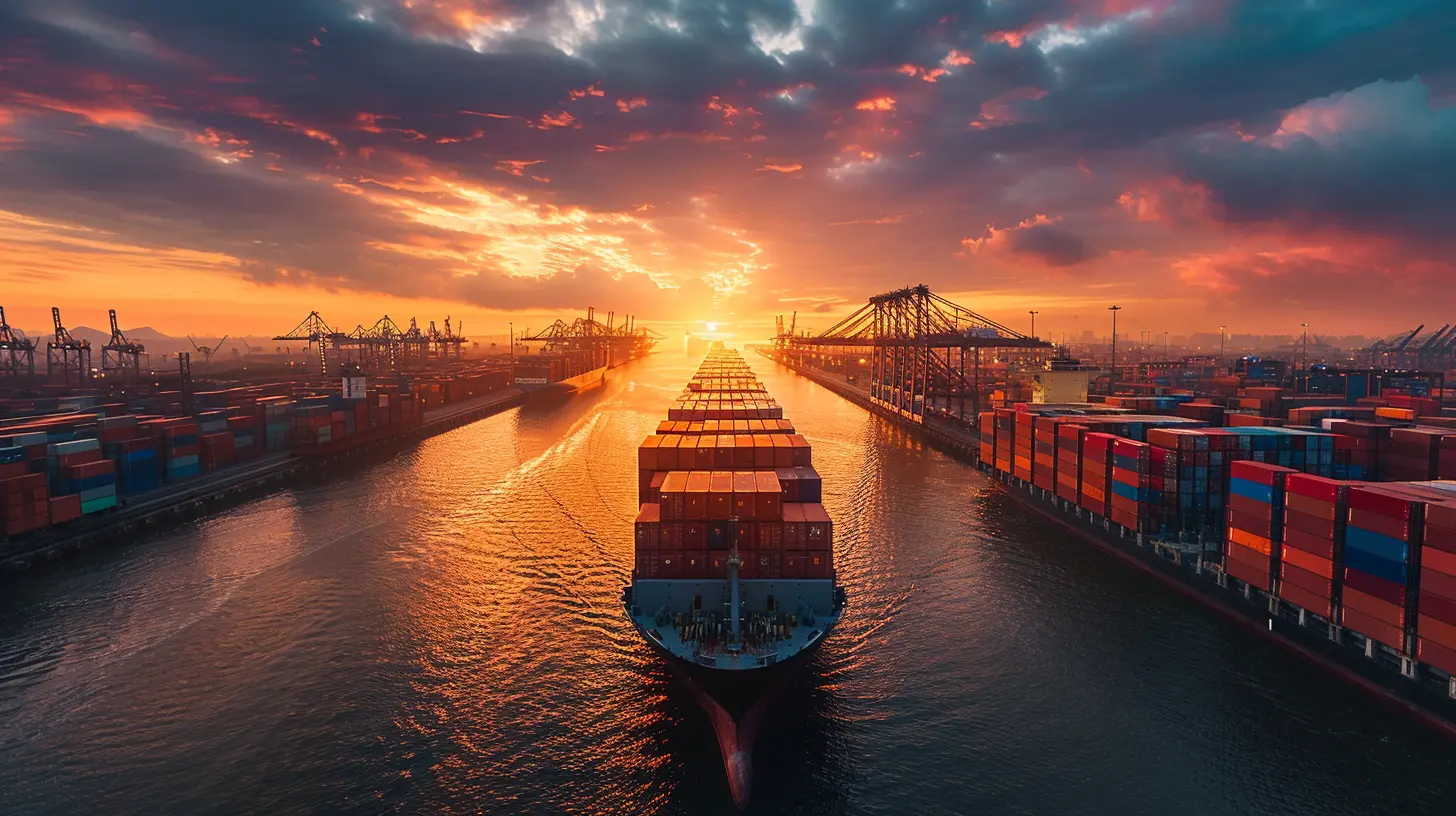
The Pillars of a Reimagined, Cost-Saving Supply Chain
Building this new model rests on a few core pillars. These aren’t just tech buzzwords; they’re the foundational shifts that will drive down costs for years to come.1. From Linear Chains to Dynamic Networks: The Power of Diversification
The old model was a straight line: Supplier A -> Manufacturer B -> Retailer C -> You. A single break anywhere meant a total failure. The new model looks more like a spider’s web—a dynamic, multi-directional network.This means strategic supplier diversification. It’s no longer putting all your eggs in one low-cost-country basket. It’s about nearshoring or friendshoring for critical components, developing a roster of vetted suppliers across different regions, and maybe even investing in smaller, local partners. Yes, the unit cost from a local supplier might be slightly higher on a spreadsheet. But have you calculated the cost of a 90-day ocean freight delay? Or the tariff surprises? The long-term cost savings come from reliability, speed to market, and reduced geopolitical risk. You’re buying predictability, and in today’s world, that’s priceless.
2. The Crystal Ball: Data, AI, and End-to-End Visibility
You can’t manage what you can’t see. And for too long, supply chains were plagued by blind spots. Today, visibility means more than tracking a truck. It’s about predictive insights.Imagine an AI-powered platform that doesn’t just tell you a shipment is delayed, but predicts the delay two weeks in advance by analyzing weather patterns, port congestion data, and historical carrier performance. It can then automatically reroute the shipment, adjust production schedules, and notify customers—all before a human even logs in for coffee.
This level of predictive analytics transforms costs. It reduces expensive expedited shipping, minimizes safety stock (because you know what you truly need), and optimizes warehouse space. It turns your supply chain from a cost center reacting to problems into a proactive, strategic asset that avoids them. The investment in this digital "crystal ball" pays for itself by preventing a handful of major disruptions.
3. The Circular Economy: Where Waste Becomes Worth
Here’s a radical thought: What if your biggest cost-saving opportunity was already in your customers’ hands? The traditional "take-make-dispose" model is a leaky bucket. You’re constantly spending on new raw materials, while used products (and their valuable materials) go to landfills.The circular supply chain plugs those leaks. It designs products for disassembly, refurbishment, and recycling. It creates take-back programs where end-of-life products become the feedstock for new ones. Think of it like a forest ecosystem—nothing is truly wasted; everything is nutrients for the next cycle of growth.
The cost benefits are profound. You secure a cheaper, more stable supply of materials insulated from commodity price swings. You build deeper customer loyalty through innovative service models (like leasing or trade-ins). You future-proof against tightening environmental regulations. By 2027, linear chains won’t just be inefficient; they’ll be unaffordable.
4. The Human-Machine Partnership: Upskilling for the Future
With all this talk of AI and robots, it’s easy to think the future is fully automated. It’s not. The future is a powerful partnership. Automation and robotics will handle the repetitive, physically demanding tasks in warehouses and factories. This isn’t about replacing people; it’s about freeing them up.Your workforce will shift to more valuable, cost-saving roles: managing and interpreting AI systems, overseeing robotic fleets, conducting complex problem-solving for exceptions, and nurturing supplier relationships. Investing in upskilling your team is a critical cost-saving strategy. A technician who can preemptively maintain an automated system prevents a million-dollar production halt. A planner who can work with AI recommendations makes smarter, more profitable decisions. The human touch guides the machine’s power toward the right goals.

The Roadmap to 2027: Practical Steps to Start Now
This vision for 2027 might feel big, but the journey starts with deliberate steps today. You don’t need to boil the ocean.* Conduct a Resilience Audit: Map your single points of failure. Which component comes from only one supplier? Which route is your only shipping lane? Start there with your diversification efforts.
* Start with One Pilot: Choose one product line or one region to implement enhanced tracking and data analytics. Build your "crystal ball" muscle on a smaller scale, prove the ROI, and then expand.
* Design for Circularity: Your next product redesign, ask the new questions: Can we make this easier to repair? Can we use recycled materials? Can we plan for its end-of-life? Small design changes today lock in massive material savings tomorrow.
* Foster a Culture of Agility: This might be the hardest part. Encourage teams to experiment, to share data across silos (logistics talking to procurement talking to sales), and to make decisions based on real-time information, not just last quarter’s plan.
The True North: Beyond Cost Cutting to Value Creation
Ultimately, reimagining your supply chain for long-term cost savings by 2027 is about shifting your mindset. It’s not just a defensive play to cut expenses. It’s an offensive strategy to create immense value.A resilient, transparent, and sustainable supply chain becomes a powerful brand promise. It allows you to promise—and deliver—on-time to your customers every time. It lets you innovate faster because you’re not constantly fighting fires. It attracts talent and investment who believe in the future you’re building.
The brittle, invisible chains of the past are a liability. The intelligent, resilient networks we build now will be the engines of growth, stability, and profit for the rest of this decade and beyond. The question isn’t whether you can afford to make this shift. It’s whether, by 2027, you can afford not to.
all images in this post were generated using AI tools
Category:
Cost ReductionAuthor:

Amara Acevedo
Discussion
rate this article
2 comments
Mila Erickson
Innovative strategies in supply chain management can lead to significant cost reductions, enhancing sustainability and efficiency for businesses by 2027.
July 6, 2026 at 2:37 AM
Vivian McWain
This article offers valuable insights into the future of supply chains. Recognizing the challenges many businesses face, it's inspiring to see innovative strategies that prioritize sustainable practices while ensuring long-term cost savings. Your efforts in reimagining this landscape are commendable.
April 19, 2026 at 3:48 AM
Amara Acevedo
Thank you for your thoughtful feedback! I'm glad you found the insights valuable. It's exciting to explore sustainable practices that can reshape supply chains for the better.