Is Dropshipping Still a Viable Business in 2027?
1 May 2026
Let's be honest. If you've been around the online business block even once, you've heard the same tired script: "Dropshipping is dead." People have been saying that since 2017, maybe even earlier. Every year, some guru with a rented Lamborghini declares the model over, only to sell you a new course on why their method still works. So here we are, looking at 2027, and I have to ask: is the hype truly gone, or has the game just changed so much that most people can't see the field anymore?
I've been running a small ecommerce operation on the side for a few years now, and I've watched the dropshipping landscape shift from a wild west of easy money to something that feels a lot more like a real business. The answer isn't a simple yes or no. It's a "hell yes, but only if you stop treating it like a get-rich-quick scheme." Let me walk you through what that actually looks like in 2027.
The Death of the "Easy Button"
Remember the old days? You'd find a cheap product on AliExpress, slap a 300% markup on it, run a few Facebook ads with blurry photos, and wait for the cash to roll in. That era is gone. It's not coming back. And honestly, good riddance.In 2027, the customer is smarter. They've been burned by 30-day shipping times, terrible quality control, and generic "customer service" emails from a bot. You can't fool them with a flashy landing page anymore. The barrier to entry has shifted from "can you click 'import'?" to "can you actually run a business?"
If you're looking for a passive income stream where you do nothing but collect checks, dropshipping in 2027 will make you cry. But if you're willing to get your hands dirty and treat it like a real supply chain challenge, there's still room. Think of it this way: the gold rush is over, but the mining equipment business is booming. You have to pivot from being a prospector to being a legitimate operator.
What Has Actually Changed?
Let's break down the concrete shifts that happened between 2023 and 2027. This isn't theory; this is what I've seen working (and failing) in real time.Shipping Has Become a Battleground
The biggest killer of dropshipping stores was always the wait. In 2024, consumers started expecting 5-day delivery as a baseline, not a luxury. Amazon Prime warped everyone's brain. If you're still using standard ePacket or China Post, you might as well hand your customers a note that says "I don't respect your time."
The viable solution in 2027 is domestic or regional fulfillment centers. You can't just rely on a supplier in Shenzhen anymore. You need to find agents who stock products in US, UK, or EU warehouses. Yes, it costs more per unit. Yes, your margins get squeezed. But the alternative is a 40% chargeback rate and a store that gets shut down by payment processors. It's a trade-off that actually works.
Ad Platforms Have Grown Teeth
Facebook and TikTok ads used to be the wild west. You could test a product for $50 and know if it would work. Now? The algorithms are smarter, the costs are higher, and the creative requirements are brutal. In 2027, you can't just run a video of someone opening a package. You need UGC (user-generated content) that looks like it was made by a real person, not a brand. You need hooks that stop the scroll in under two seconds.
The cost per acquisition (CPA) for a simple product has doubled or tripled compared to 2020. This means you can't afford to sell $20 items anymore. The unit economics just don't make sense unless you're moving massive volume or have a repeat customer model. The sweet spot now is products in the $50-$150 range, with a clear path to add-ons or subscriptions.

The New Rules of the Game
So, if the old playbook is worthless, what replaces it? I've distilled this down to three core principles that separate the survivors from the quitters in 2027.Rule 1: You Must Own the Customer Relationship
Dropshipping's original sin was that you never actually owned anything. You didn't own the inventory, and you barely owned the customer. If your supplier messed up, the customer blamed you. If your ad account got banned, you lost everything.
In 2027, the winners are building email lists, SMS lists, and even private communities on Discord or Telegram. They aren't just selling a product; they're selling an experience or a tribe. For example, instead of dropshipping generic phone cases, you create a brand around "digital minimalism" and ship curated accessories with a handwritten note. The product becomes secondary to the relationship. When you own the channel, you can survive algorithm changes and supplier hiccups.
Rule 2: Speed Is the Only Moat
If you can deliver a product in 3-5 days while your competitor takes 14-21 days, you win. Period. That's the moat in 2027. It's not about having a better product (though that helps). It's about logistics.
This means you need to pre-order sample units, vet suppliers for speed, and possibly even hold a small amount of inventory in a 3PL (third-party logistics) warehouse for your best-sellers. I know, that sounds like real inventory management. It is. But it's the only way to build a brand that people trust. If you can't stomach the thought of investing $1,000 in stock, dropshipping probably isn't for you anymore.
Rule 3: Niche Down Until It Hurts
General stores are dead. "Pet supplies" is a graveyard. "Cat toys for anxious indoor cats that need puzzle enrichment" is a viable business. The more specific you get, the easier it is to target ads, create content, and build authority.
I saw a store in 2026 that only sold ergonomic footrests for tall people who work standing desks. That's it. They had one product, three variations, and a blog about office ergonomics. They used dropshipping for the initial orders but quickly moved to a local fulfillment partner. They were making six figures a month by the end of the year. Why? Because they owned a tiny, specific corner of the market. They weren't competing with Amazon; they were the expert.
The Honest Math: Can You Make Money?
Let's get real about the numbers. In 2027, a healthy dropshipping store looks like this:- Product cost: $15 (including shipping to the customer)
- Ad cost to acquire one customer: $25 (this is realistic for a decent product)
- Selling price: $65
- Gross profit: $25 per sale
That's a 38% margin, which sounds decent. But after you subtract payment processing fees (3%), app subscriptions ($30/month), and your time (which you should value at $50/hour), you're left with maybe $10-$15 per order. That's not a fortune. But if you can get 100 orders a day, you're looking at $1,000-$1,500 daily profit. That's real money.
The catch? You need to do that volume consistently. And you need to do it without burning out. Most people quit because they can't handle the emotional roller coaster of ad spend. One day you're up $500, the next day Facebook changes a setting and you lose $1,000. That hasn't changed. It's still a volatile game.
The Hidden Opportunity: B2B Dropshipping
Here's something most blog posts won't tell you. In 2027, the biggest opportunity might not be selling to consumers at all. Business-to-business (B2B) dropshipping is quietly exploding. Small businesses, local shops, and even dentists need supplies. They don't need the flashy marketing. They need reliability.Imagine dropshipping custom-printed packaging for small coffee roasters. You find a supplier, list the boxes on a simple website, and let roasters order one box or a thousand. They don't care about TikTok trends. They care about delivery dates and quality. The margins are thinner, but the churn is almost zero. Once you prove you can deliver, they stay with you for years.
If you're tired of fighting for every single consumer dollar, B2B dropshipping is a quieter, more stable path. It's not sexy, but it pays the bills.
The Pitfalls That Will Destroy You in 2027
Let's not sugarcoat this. There are landmines everywhere. Here are the three biggest ones I've seen take down smart people.Supplier Reliability Is a Myth
You will think you found the perfect supplier. They'll be fast, responsive, and reliable for three months. Then they'll change ownership, raise prices overnight, or ship the wrong product to 50 customers. It happens. Always. Have a backup supplier for every product. And I mean a real backup, not just a bookmark.
Chargebacks Are a Silent Killer
If a customer disputes a charge because their package arrived late or damaged, you lose the money and the product. In 2027, payment processors like Stripe and PayPal are ruthless. If your chargeback rate goes above 1%, they'll hold your funds for 180 days or ban you outright. You need a rock-solid refund policy and a customer service response time under 2 hours. A chatbot isn't enough; you need a human who can solve problems fast.
The Burnout Is Real
Dropshipping is a 24/7 job. You're managing ads, customer service, supplier relationships, and website optimization. There is no off switch. If you're doing this solo, you will hit a wall around month six. The successful people I know either automate ruthlessly (using tools like Zendesk for support and Oberlo alternatives for order management) or bring on a partner to share the load.
So, Is It Viable in 2027?
Yes. But only if you redefine what "viable" means. It's not a side hustle that makes you rich while you sleep. It's a real business that requires real work. It's viable if you:- Are willing to invest in inventory (even a small amount).
- Can build a brand that stands for something specific.
- Treat shipping speed as your top priority.
- Have a high tolerance for uncertainty and algorithm changes.
If you're looking for the "laptop lifestyle" where you cash checks from a beach, this isn't it anymore. That ship sailed around 2022. But if you want to build a lean, agile ecommerce business that can grow into something bigger, dropshipping in 2027 is still a solid foundation. It's just not a shortcut.
Think of it like this: dropshipping used to be a vending machine. You put in a little effort, and a product came out. Now it's a restaurant. You have to source ingredients, manage the kitchen, handle the front of house, and deal with complaints. The margins are different, and the work is harder, but the people who run good restaurants don't go out of business. The ones who run bad ones do.
So, what are you building? A vending machine or a restaurant? That's the real question.
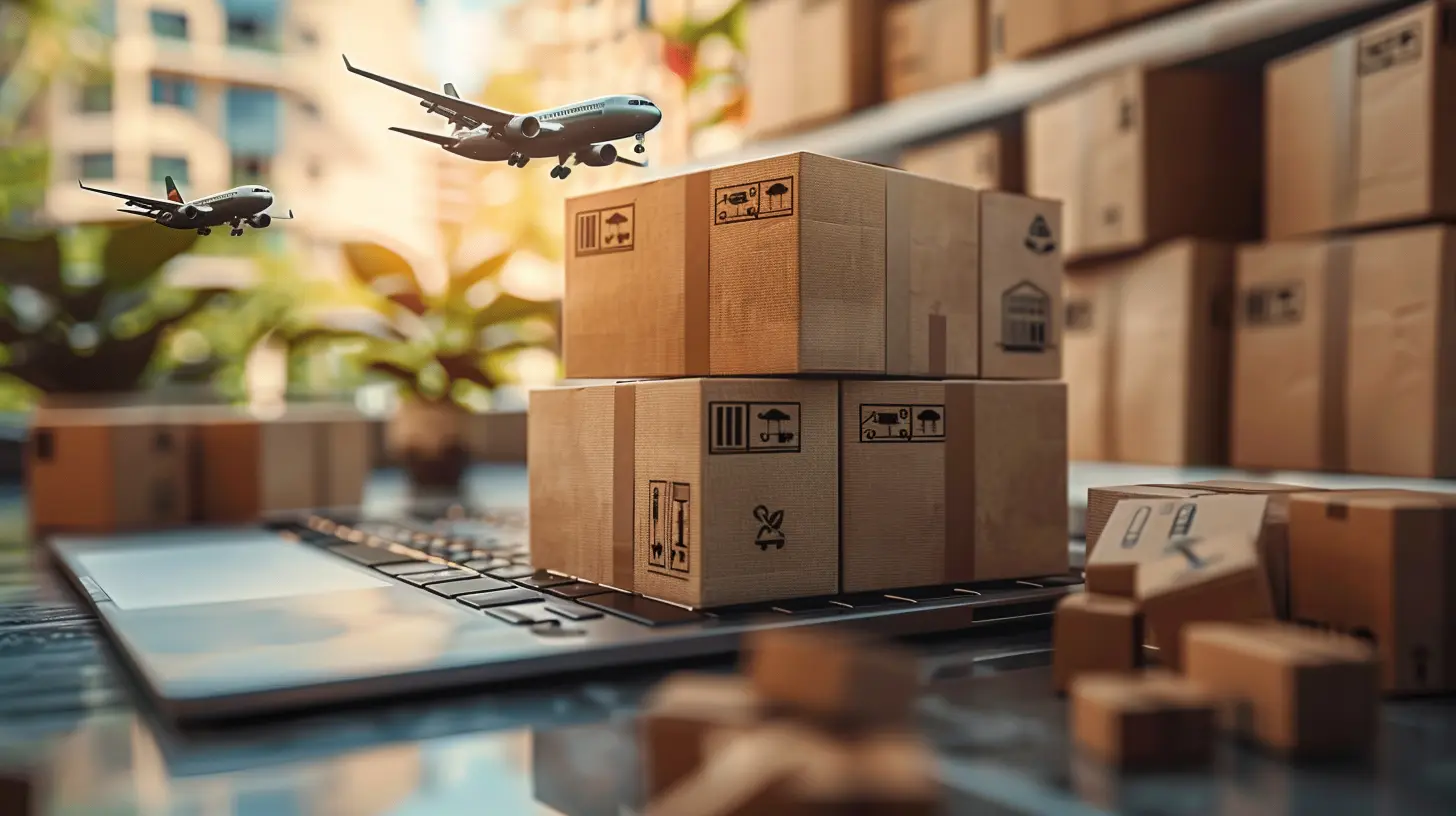
all images in this post were generated using AI tools
Category:
Online BusinessAuthor:

Amara Acevedo
Discussion
rate this article
2 comments
Jacob McDowell
If dropshipping is a viable business in 2027, I guess my future self will be shopping while I work... or vice versa!
July 28, 2026 at 12:00 PM
Niko Scott
What trends will shape dropshipping's future? Excited to see where it goes!
May 10, 2026 at 12:38 PM