How Artificial Intelligence is Transforming the Manufacturing Industry
16 February 2026
Let’s not sugarcoat it—manufacturing isn’t what it used to be. Gone are the days of manual-heavy processes, old-school blueprints, and guesswork-driven production lines. Today, it’s all about speed, precision, and getting ahead of the competition. And what’s the secret weapon behind that shift?
Artificial Intelligence.
Yeah, we’re talking big brain stuff—machine learning, predictive analytics, smart robots, and real-time data optimization. AI is flipping the traditional manufacturing model on its head and turning it into a sleek, intelligent, data-driven machine.
So, buckle up. Let’s break down exactly how AI is revolutionizing the manufacturing industry, why it matters, and what it means for the future of production.
AI in Manufacturing: Not Just Hype—It’s the Real Deal
Here’s the truth. AI in manufacturing isn’t a futuristic fantasy anymore. It’s happening. Right now.From multinational giants like Siemens and General Electric to smaller, agile factories, the entire manufacturing ecosystem is integrating AI faster than ever before. Why? Because it gives them a massive edge.
Think about it. Manufacturers are sitting on oceans of data—operations data, machine logs, sensor outputs, quality control results. AI takes that raw data, digs deep, finds patterns, and helps companies make smarter decisions, faster.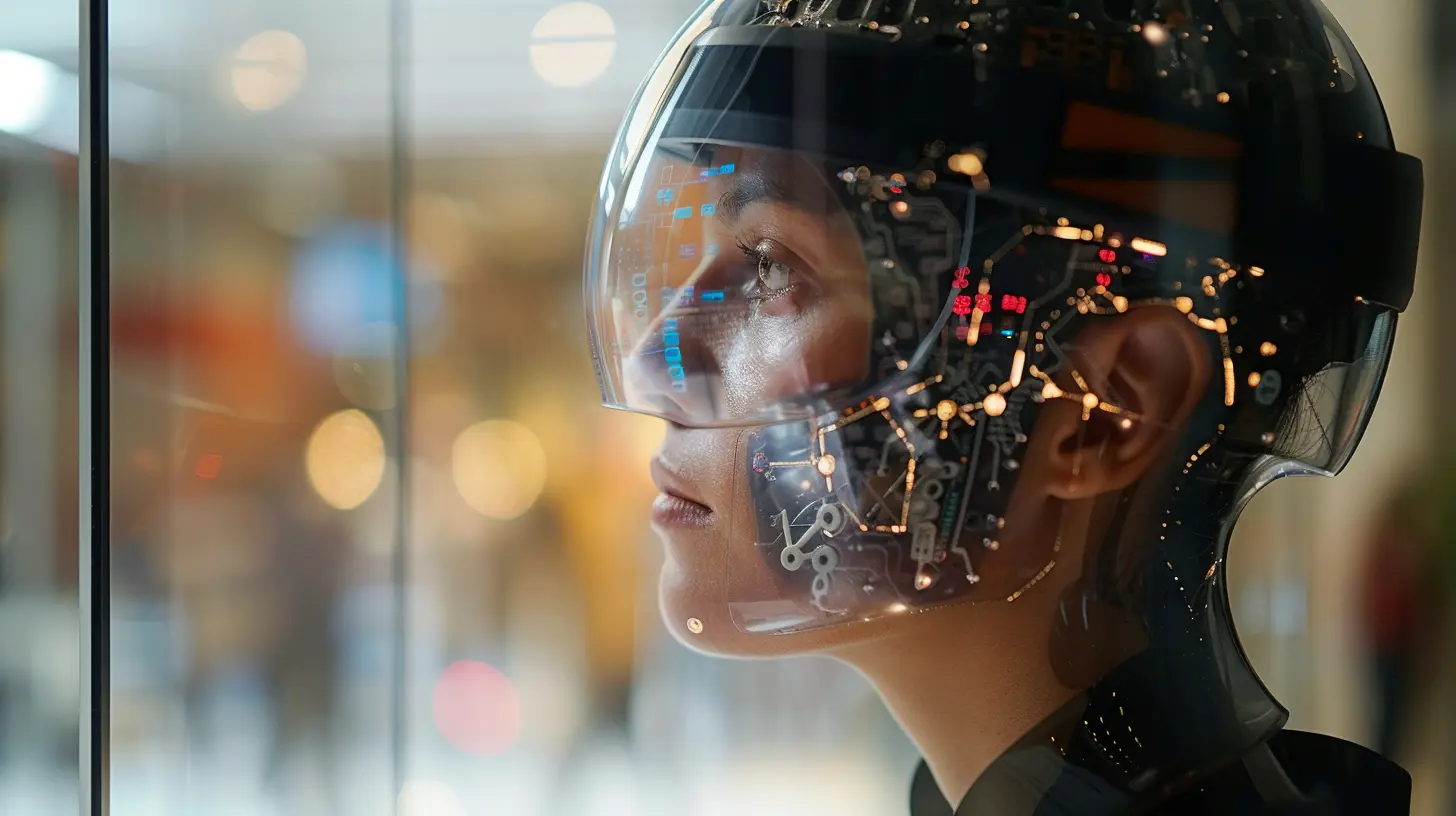
Let’s Talk Robots: Smarter, Not Just Stronger
When most people hear “AI in manufacturing,” their minds go straight to robots.Yep, robots are a huge piece of the puzzle. But these aren’t your granddad’s clunky metal arms. Today’s robots—also called cobots (collaborative robots)—are intelligent, flexible, and even... friendly?
They can learn from human workers, adapt to their surroundings, and perform a wide range of tasks—from assembly to packaging—with hardly any downtime. Gone are the rigid routines—AI-powered robots can pivot based on real-time feedback. It’s like hiring a worker that never sleeps, doesn’t make mistakes, and improves with experience.
Mind blown yet? We’re just getting started.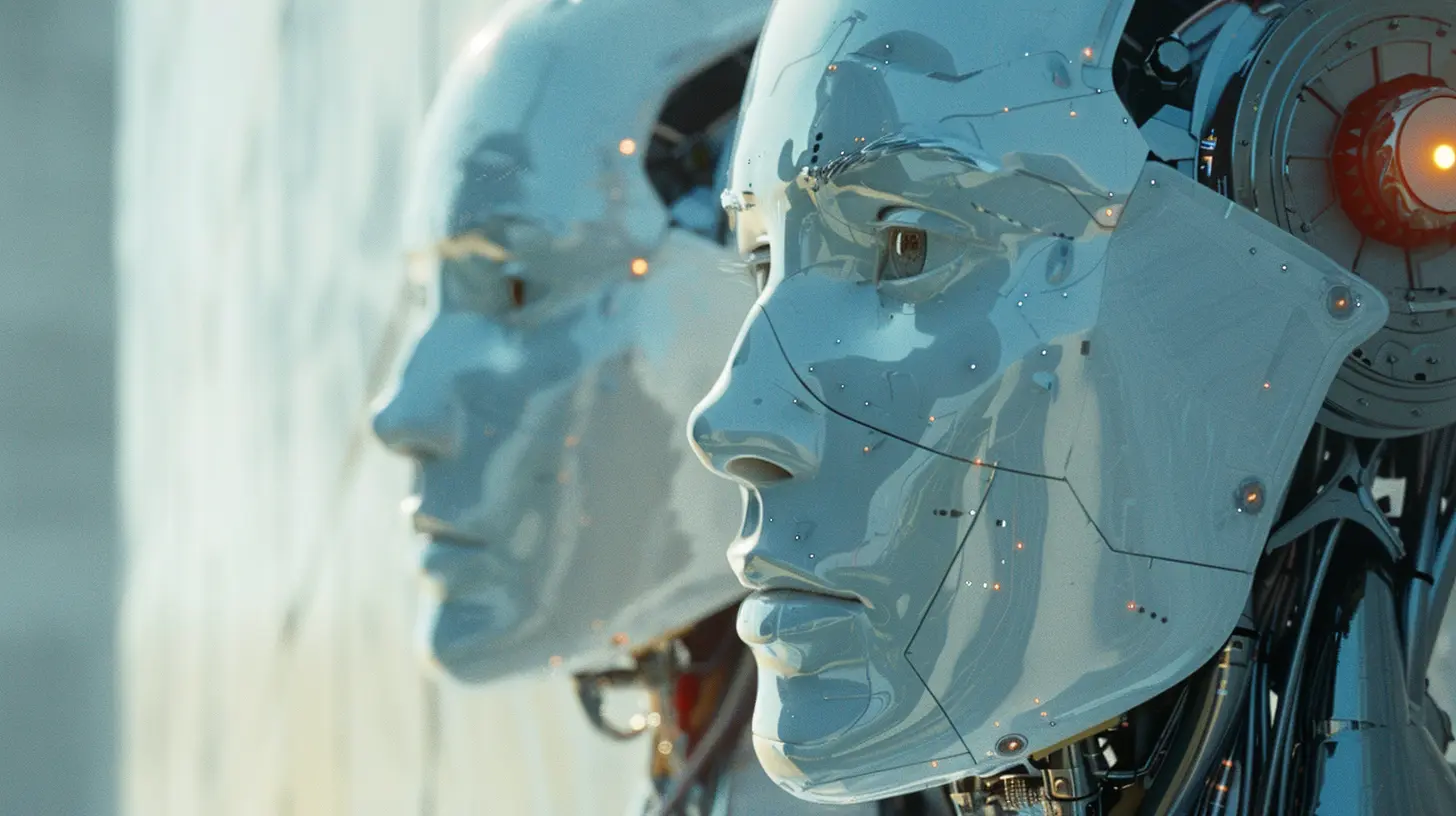
Predictive Maintenance – Say Goodbye to Costly Breakdowns
You know what sucks? When a machine breaks down in the middle of a production run. It’s expensive, frustrating, and kills your momentum.AI solves that with something called predictive maintenance. It analyzes historical and real-time data from machines to predict when something’s about to go wrong—before it actually does. It’s kind of like how your smartwatch tells you to take a walk before you even realize you’ve been sitting for too long.
So instead of reacting to issues, manufacturers can stay ahead of the curve, schedule maintenance during downtime, and avoid unexpected breakdowns altogether.
Bottom line? AI keeps the wheels turning—without hiccups.
Smarter Supply Chains = Fatter Bottom Lines
Let’s face it: supply chains are a mess—especially in a post-pandemic world. Delays, shortages, and skyrocketing costs? It’s been chaos.But AI? It’s here to clean house.
AI algorithms can analyze global data in real-time—weather patterns, political news, raw material availability—and predict supply chain disruptions before they cause mayhem. It also helps manufacturers forecast demand more accurately, ensuring they’re not overproducing or understocking.
What does that mean for businesses? Less waste, better planning, tighter inventory control, and bigger profits.
And who doesn’t want that?
Quality Control Goes Next-Level
Here’s another area where AI flexes hard—quality control.Traditionally, human inspectors checked products manually. But let’s be real—that’s slow, inconsistent, and prone to error.
Now, AI-powered vision systems use high-resolution cameras and deep learning to check for defects in real-time. We’re talking microscopic accuracy here—catching flaws the human eye would never notice.
And the best part? These systems learn over time. The more products they inspect, the better they get. Think of it as a quality inspector that gets smarter every shift.
Customization at Scale – Yes, Really!
In the past, if you wanted a custom product, you had to wait weeks. Custom meant expensive, slow, and inefficient.Enter AI + advanced manufacturing.
With AI systems guiding the process, manufacturers can now produce customized products at scale—without sacrificing speed or quality. Whether it’s car interiors, sneakers, or electronics, AI helps adapt the production line in real-time to accommodate custom specs.
So yeah, mass personalization isn’t a pipe dream anymore—it’s real, and it’s happening.
Real-Time Analytics = Smarter Leadership Decisions
Let’s not forget the decision-makers.AI arms manufacturing execs with real-time dashboards, insights, and forecasts that used to take weeks to compile. Want to know how your factory in Texas is performing vs. your plant in Mexico? AI shows you that at a glance.
It’s like upgrading from a blurry rearview mirror to a crystal-clear GPS system—complete with traffic updates and alternate routes. Companies no longer make decisions based on gut instinct; they let data do the talking.
Energy Efficiency & Sustainability? Check and Check.
The age of “profit over planet” is over. Nowadays, manufacturers are under pressure to go green—and AI’s playing a key role.AI helps manage energy usage by automatically adjusting lighting, climate control, and machine operations based on real-time needs. It also optimizes resource allocation and cuts down on waste.
Think of it as your eco-conscious factory manager working 24/7 to reduce your carbon footprint.
So no, AI isn’t just about making money—it’s also about making sense for the planet.
Workforce Transformation – It’s Not About Replacing Jobs, It’s About Changing Them
Let's address the elephant in the room: “Is AI going to steal jobs?”Short answer? Not really.
Sure, some repetitive roles may vanish, but here’s the thing—AI is creating more jobs than it destroys, especially in areas like robotics programming, machine learning engineering, and data analysis. It’s also transforming the role of factory workers—from button-pushers to problem solvers.
Give someone the right tools and training, and they go from operating a machine… to managing an entire intelligent system.
It’s not about replacing humans; it’s about empowering them to do better work.
Challenges and Pitfalls to Watch Out For
Of course, AI isn’t all rainbows and unicorns. There are challenges—big ones.- High initial investment: AI solutions don't come cheap.
- Data privacy & security: The more data you collect, the more you have to protect.
- Skill gaps: Not every worker is ready to team up with AI.
- Integration issues: AI needs to work seamlessly with legacy systems—easier said than done.
But here’s the good news: these are all solvable. With the right strategy, leadership, and investment, the ROI from AI more than makes up for the hurdles.
What’s Next? The Sky’s the Limit
We're just scratching the surface here. The way AI is charging through the manufacturing world is nothing short of revolutionary.In the next 5–10 years, expect to see even more jaw-dropping innovations:
- Self-healing machines
- Fully autonomous factories
- Hyper-personalized production-on-demand
- AI collaborating with the Internet of Things (IoT) to create fully connected, intelligent ecosystems
The bottom line? If you're in manufacturing and not at least thinking about AI, you're already falling behind.
Final Thoughts: Get On Board or Get Left Behind
The manufacturing game has changed—period.AI is no longer optional; it’s essential. It’s the fuel that’s driving smarter factories, faster production, higher quality, and leaner operations. Whether you're a small shop or a massive plant, there's no denying it:
AI is the game-changer.
So if you’re still sitting on the fence, it’s time to jump in. The future doesn’t wait—and in the world of AI-powered manufacturing, neither should you.
all images in this post were generated using AI tools
Category:
Artificial IntelligenceAuthor:

Amara Acevedo
Discussion
rate this article
2 comments
Ezra Lamb
Beneath the surface of AI's rise, secrets linger. What unseen forces are reshaping our manufacturing future?
March 31, 2026 at 2:28 AM
Amara Acevedo
You're right. The impact of AI goes beyond technology; it's reshaping our workforce and supply chains in ways we're only beginning to understand.
Lorelei Riggs
AI revolutionizes manufacturing efficiency.
February 18, 2026 at 4:32 AM
Amara Acevedo
Absolutely! AI streamlines processes, reduces waste, and enhances productivity, driving a new era of manufacturing efficiency.