AI’s Role in Enhancing Business Agility and Adaptability
11 June 2026
Let’s face it—running a business today feels like dancing on a moving floor. Markets evolve, customer expectations shift overnight, and technology advances faster than we can say “pivot.” To stay ahead (or even just keep up), companies need to be more agile and adaptable than ever. That's where artificial intelligence (AI) steps in—not as a replacement for human creativity or decision-making—but as a powerful ally in helping businesses stay nimble in a fast-paced world.
Ready to dive into how AI is reshaping the game? Let’s break it down.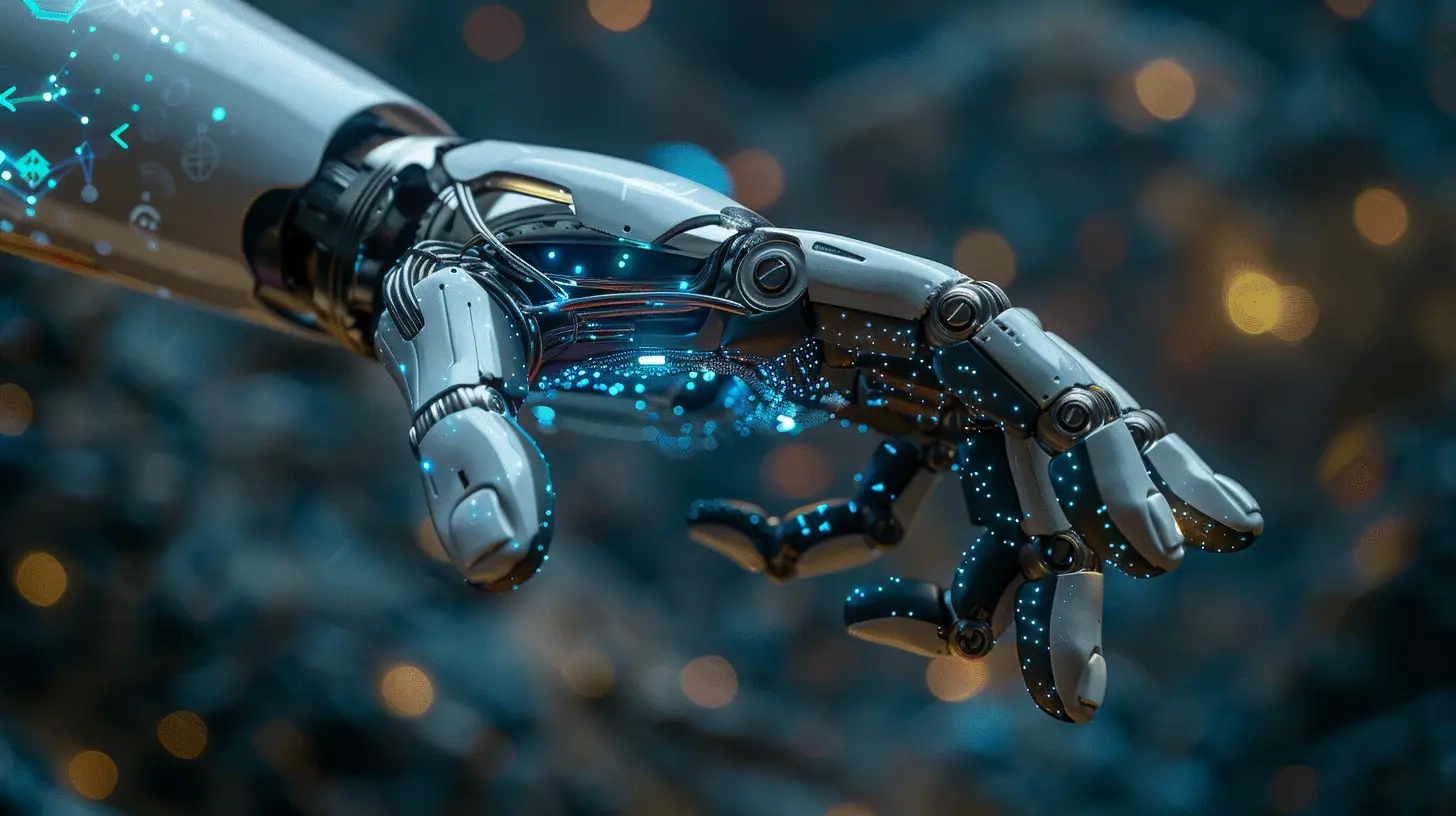
What Do We Mean by “Business Agility” and “Adaptability”?
Before we go full geek mode, let’s clarify the basics.Business agility is all about how quickly and effectively a company can respond to internal and external changes. Think of it like a surfer being able to ride whatever wave comes their way—smoothly, confidently, and without wiping out.
Adaptability, on the other hand, is the ability to evolve when necessary. It’s like the chameleon of the business world—changing colors (strategies, products, workflows) to survive and thrive in different environments.
Now, combine these two superpowers, and you’ve got a business that not only survives disruption—but uses it to grow. Enter AI.
Why AI? Why Now?
AI isn’t just a buzzword anymore—it’s reshaping how businesses operate. But what makes AI such a big deal for agility and adaptability?Simple. AI can process insane amounts of data in real time, identify patterns we’d never notice, and even make recommendations before humans know there’s a problem. It’s like having a crystal ball, a supercharged calculator, and a really smart assistant—all rolled into one.
And if 2020 taught us anything, it’s that being caught off guard can hurt. Businesses that had AI tools in place were able to pivot more smoothly when everything hit the fan. That’s not a coincidence.
How AI Enhances Business Agility
Okay, let’s get to the good stuff. How exactly does AI help businesses become more agile?1. Real-Time Decision Making
Gone are the days of waiting for quarterly reports before making a move. AI tools can analyze data in real time and offer insights on the go.Imagine a retail store adjusting inventory levels instantly based on live purchase data. Or a logistics company rerouting deliveries mid-route because AI predicted a storm. That’s not just agile—that’s being five steps ahead.
2. Smarter Forecasting
Predicting future trends is tough. But AI doesn’t guess—it calculates. Machine learning algorithms can scan historical data, identify patterns, and project future outcomes with surprising accuracy.Let’s say you run an eCommerce business. AI can predict which products will trend next month and help you stock up accordingly. That means fewer missed sales and less leftover inventory collecting dust.
3. Enhanced Customer Experience
Want to be more responsive to customers? AI-powered chatbots and virtual assistants offer 24/7 service. And they’re getting good—like, scary good.But it’s not just about support. AI also helps personalize experiences. Think product recommendations, custom-made offers, or even tailored content—all in real time. Responsive companies = happy customers.
4. Agile Marketing Campaigns
Marketing used to be “set it and forget it.” Not anymore. With AI, businesses can constantly test, tweak, and optimize campaigns.Did a Facebook ad start underperforming? No worries—AI can automatically pull budget from that ad and redirect it to one that’s working better. It’s like having a digital marketing ninja managing your campaigns minute-by-minute.
How AI Boosts Adaptability in the Long Run
Short-term agility is great, but long-term adaptability is where AI really shines. Here’s how:1. Identifying Shifts Early
AI doesn’t just react—it anticipates. It spots subtle trends and behavioral shifts before they become obvious. That means businesses can adapt early instead of scrambling to catch up.Maybe there's a slow decline in demand for a certain product category. AI sees it coming long before sales tank, giving companies time to innovate or pivot.
2. Automating Routine Work
One of the biggest obstacles to adaptability? Humans being stuck in repetitive tasks. AI allows businesses to automate the boring stuff—like data entry, scheduling, and even some aspects of HR.This frees up human minds to focus on strategic thinking, innovation, and creative problem-solving—things that actually move the needle long term.
3. Learning from Failure (Faster)
Nobody bats 1000, right? But with AI, businesses can analyze what went wrong almost instantly. It’s like having a post-game replay immediately after the loss—so the next time, you win.AI-driven analytics dissect everything—customer churn, ad campaigns, product launches—you name it. You make data-backed decisions instead of gut calls.
Real-World Example Time
Let’s look at some businesses actually doing this right.Netflix
When it comes to personalization and adaptability, Netflix is king. It uses AI to recommend shows based on your behavior, but it also uses AI behind the scenes—to optimize streaming performance, reduce churn, and decide what content to invest in next.During the pandemic, when production schedules were in chaos, Netflix used AI-driven data to stockpile and promote existing content that was most likely to keep users engaged.
Amazon
Yeah, we had to mention them. Amazon’s entire business model thrives on hyper-agility and adaptability. AI predicts what you’ll want to buy, manages warehouse logistics, and even changes prices in real time.They’re not reacting to trends—they’re practically controlling them.
Zara
Yes, even in fashion! Zara uses AI to analyze shopping trends and social media data. That means they can design, produce, and stock new clothing styles in a matter of weeks—while competitors take months. In the fashion world, that’s a huge edge.Challenges? You Bet. But They’re Worth Tackling.
AI isn’t magic. It comes with its own set of issues: ethical concerns, data privacy, cost of implementation, and the need for skilled talent.Plus, not all AI tools are plug-and-play. They require training and proper oversight. Bad data in = bad results out. And sometimes, interpreting AI insights still requires human judgment.
But here’s the thing—none of these challenges outweigh the benefits. Think of it like learning to drive a race car. There’s a learning curve, but once you get the hang of it, you’re moving faster and smarter than the competition.
So, Where Do You Start?
If you’re thinking, “This sounds cool, but we’re not a tech company!”—don’t worry. You don’t need a team of data scientists to get started with AI.Start small. Here are a few stepping stones:
- Use AI chatbots for customer support.
- Implement AI tools in marketing (like predictive analytics or email automation).
- Try AI-powered project management tools to improve workflow.
- Use AI recommendations for inventory or supply chain optimization.
The goal? Focus on quick wins while building in-house familiarity with AI. As you see results, you can scale up.
The Human Touch Still Matters (A Lot)
Let’s not forget—AI doesn’t replace people. It empowers them. Businesses still need human insight, empathy, and ethical thinking. After all, AI can analyze a customer’s behavior, but only humans can truly understand what that customer values.Think of AI as a teammate, not the boss. It’s there to crunch the numbers, spot patterns, and handle the grunt work—so your team can focus on what it does best.
Final Thoughts: The Future Is Adaptive
Business as usual? That concept is fading fast. Today, it’s all about how quickly and wisely you can pivot—and how well you can prepare for the unpredictable.AI is not just a tool—it’s becoming the backbone of modern, agile, and adaptive businesses. From real-time decisions and customized experiences to forecasting and automation, AI gives businesses the gifts of speed, insight, and resilience.
If you’re not looking into AI already, you’re not just missing the train—you’re still packing your bags at home.
So, the question isn’t “Should we use AI?” but “How fast can we start?
all images in this post were generated using AI tools
Category:
Artificial IntelligenceAuthor:

Amara Acevedo
Discussion
rate this article
1 comments
Zephyris Gonzalez
Great insights! AI truly empowers businesses to be more agile and adaptable, keeping them ahead in today's fast-paced environment.
June 12, 2026 at 4:34 AM
Amara Acevedo
Thank you! I'm glad you found the insights valuable. AI really is a game changer for business agility.