- Gamifying Your Product for User Retention and Growth
19 October 2025
Picture this: You’ve built an amazing product. It’s sleek, it’s functional, and you’re confident it solves a real problem for your target audience. But for some reason, you’re just not seeing the engagement you hoped for. Users sign up, poke around for a bit, and then vanish like ghosts on the day after Halloween. Frustrating, right? Here’s the deal: getting people to stick around isn’t just about creating a great product; it’s about keeping them engaged. That’s where gamification comes in.
Gamifying your product can be an absolute game-changer (pun absolutely intended). By creating an experience that’s not only functional but also fun and rewarding, you can keep users coming back for more — and get them to spread the word while they’re at it. Let’s talk about how to do it right.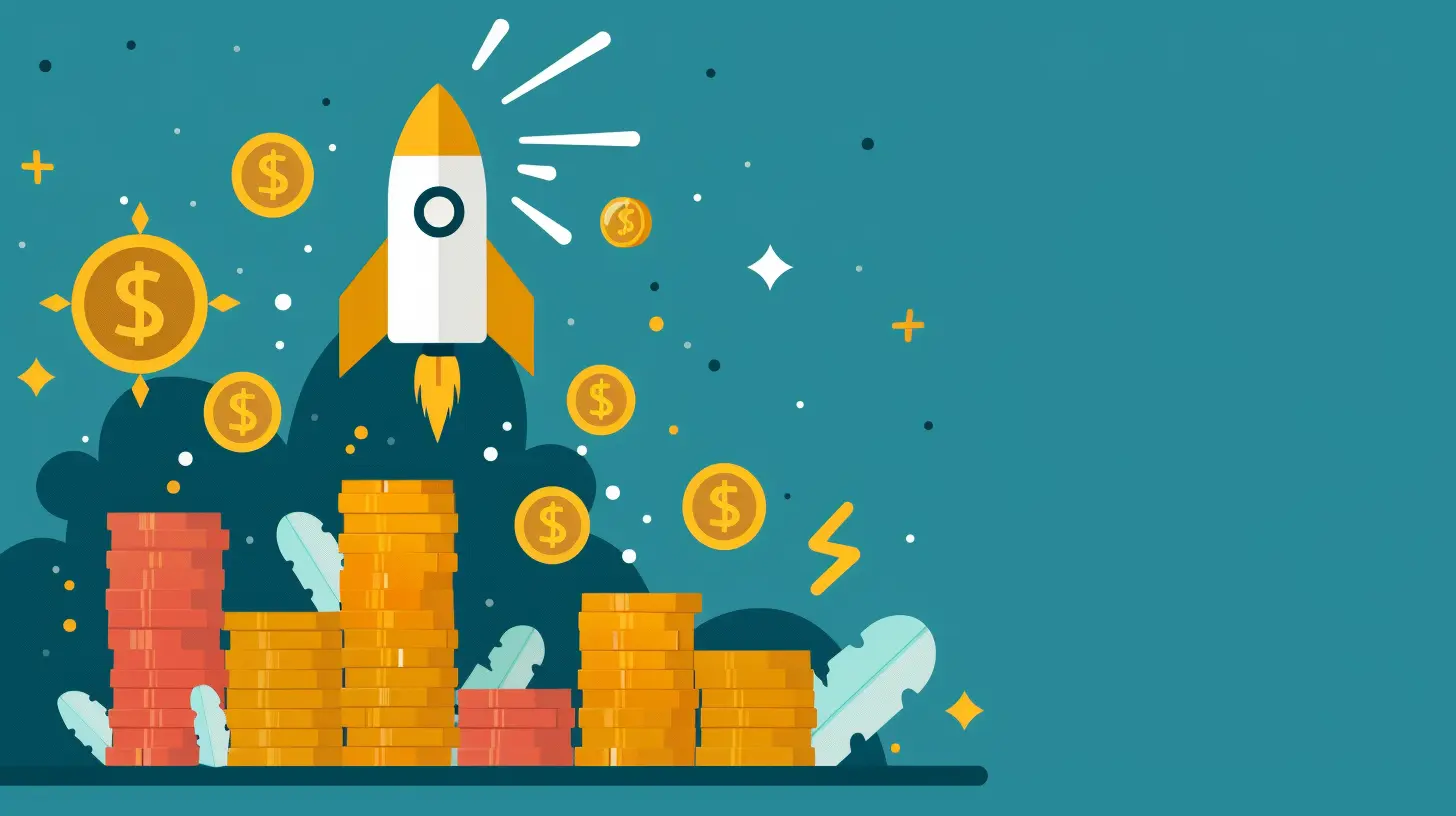
What Is Gamification?
Before we dive into the how, let’s take a second to talk about the what. Gamification is all about incorporating game-like elements into non-game contexts — in this case, your product. Think of it like adding a sprinkle of sugar into your coffee. The coffee is still coffee, but now it’s a little more exciting, a little sweeter.Gamification could mean anything from leaderboards and badges to progress bars and rewards systems. The goal? To tap into users’ natural instincts for competition, achievement, and social interaction. Give them a reason to care, a reason to stay, and — most importantly — a reason to come back.
Why Gamification Works
Let’s be honest: humans are wired to seek rewards. Whether it’s the thrill of leveling up in a video game or the satisfaction of crossing an item off a to-do list, we thrive on seeing progress and celebrating success.Gamification works because it speaks directly to these instincts. It gives users small, achievable goals and quick wins, which keep them motivated. On top of that, it creates a sense of purpose and accomplishment. Who doesn’t love the feeling of being recognized for their efforts?
Here are a few reasons why gamification is so effective:
1. Triggers Intrinsic Motivation: Gamification taps into people’s internal drives, like the need for mastery, autonomy, and belonging.
2. Creates Positive Reinforcement: Rewards and incentives build a habit loop, encouraging users to return to your product time and time again.
3. Boosts Engagement: Let’s face it, life’s more fun with a little competition or a pat on the back. Gamified features make even mundane tasks feel exciting.
4. Promotes Loyalty: Users who feel connected to your product — and who get real, tangible value from using it — are more likely to stick around for the long haul.
Key Elements of Gamification
Alright, so gamification sounds great and all. But how do you actually put it into practice? The good news is, you don’t have to reinvent the wheel. There are some tried-and-true gamification techniques that work. Let’s break them down:1. Points and Rewards
Think of these as the bread and butter of gamification. Giving users points for completing actions or hitting milestones is a great way to incentivize engagement. Whether it’s earning loyalty points for making a purchase or unlocking discounts for using a feature, rewards make users feel like they’re getting something of value.Pro Tip: Tie your rewards to meaningful actions. If users feel like they’re working toward something that actually benefits them, they’ll be more likely to engage.
2. Progress Bars
There’s something oddly satisfying about watching a progress bar fill up, isn’t there? Progress bars tap into a psychological phenomenon called the “goal-gradient effect.” Basically, the closer people are to completing a goal, the harder they work to achieve it.You could use progress bars to show users how close they are to completing their profile, reaching a milestone, or earning a reward. This visual representation of progress keeps them motivated.
3. Leaderboards
Humans love a little friendly competition. Adding a leaderboard to your product can spark that competitive spirit and encourage users to stay engaged. The key here is to make sure the competition feels fair and attainable.Bonus Tip: If your product has a social element, leaderboards can also foster a sense of community. People love to compare themselves to their friends, and a leaderboard gives them the perfect excuse.
4. Badges and Achievements
Badges aren’t just for Girl Scouts. Digital badges and achievements are a great way to recognize users’ accomplishments and boost their sense of self-worth. Plus, they’re just plain fun.For example, you can create badges for completing a tutorial, using your product for a certain number of days, or trying out a new feature. Just make sure the badges feel meaningful — nobody wants to earn a “You logged in” badge. That’s just lame.
5. Challenges and Quests
Who doesn’t love a good quest? Adding challenges or quests to your product can make the user experience feel more like an adventure. For instance, you could challenge users to complete a set of actions within a certain timeframe, with a reward waiting at the end.This approach works especially well if your product revolves around self-improvement, learning, or fitness. People love a reason to push themselves!
Gamification Done Right: Examples from the Real World
Let’s look at some companies that are absolutely crushing it when it comes to gamification. These examples can give you some inspiration for your own product:1. Duolingo
Duolingo has absolutely mastered gamification. They use everything from streaks and progress bars to leaderboards and daily goals to keep users engaged. The owl mascot, Duo, even sends you (slightly passive-aggressive) reminders to keep practicing your language skills. It’s a perfect example of how gamification can turn a mundane task like studying into a daily habit.2. Nike Run Club
Nike’s Run Club app gamifies exercise in a way that’s both fun and empowering. Users can earn badges for hitting milestones like running their first 5K or completing a month of workouts. The app also features leaderboards and challenges, encouraging runners to push themselves and connect with the running community.3. Starbucks Rewards
The Starbucks Rewards program is a textbook example of how to use points and rewards effectively. Customers earn stars for every purchase, which can be redeemed for free drinks and food. The app also includes progress trackers, special challenges, and personalized offers to keep customers hooked.Common Gamification Pitfalls (and How to Avoid Them)
Now, before you run off and start slapping leaderboards and badges all over your product, here’s a little reality check: gamification isn’t a magic bullet. If it’s done poorly, it can actually hurt your user experience.Here are some common pitfalls to avoid:
1. Overcomplicating the Experience
Too many gamified elements can overwhelm users and distract from the core value of your product. Keep things simple and focus on the features that make sense.2. Ignoring Your Audience
Not every user is motivated by the same things. Some people love competition, while others prefer collaboration or personal growth. Take the time to understand your audience and tailor your gamification strategy accordingly.3. Lack of Meaningful Rewards
If the rewards you’re offering don’t feel valuable or relevant, users won’t bother working for them. Make sure your rewards align with what your audience actually wants.4. Forgetting the Fun
At the end of the day, gamification is about making your product more enjoyable. If your gamified features feel like a chore or an afterthought, they’re not going to work.Final Thoughts
Gamification isn’t just a buzzword; it’s a powerful tool for driving user retention and growth. By tapping into the psychology of motivation and reward, you can create an experience that keeps users engaged, satisfied, and loyal.But remember: gamification isn’t a one-size-fits-all solution. Take the time to understand your audience, test different strategies, and iterate until you find what works. Done right, gamification can transform your product into something users don’t just need — but want.
all images in this post were generated using AI tools
Category:
Growth HackingAuthor:

Amara Acevedo
Discussion
rate this article
1 comments
Caleb Nelson
Great insights! Gamification is a powerful strategy for enhancing user engagement and driving sustainable growth. Thank you for sharing!
October 21, 2025 at 2:36 AM
Amara Acevedo
Thank you! I'm glad you found the insights valuable. Gamification can truly transform user engagement!